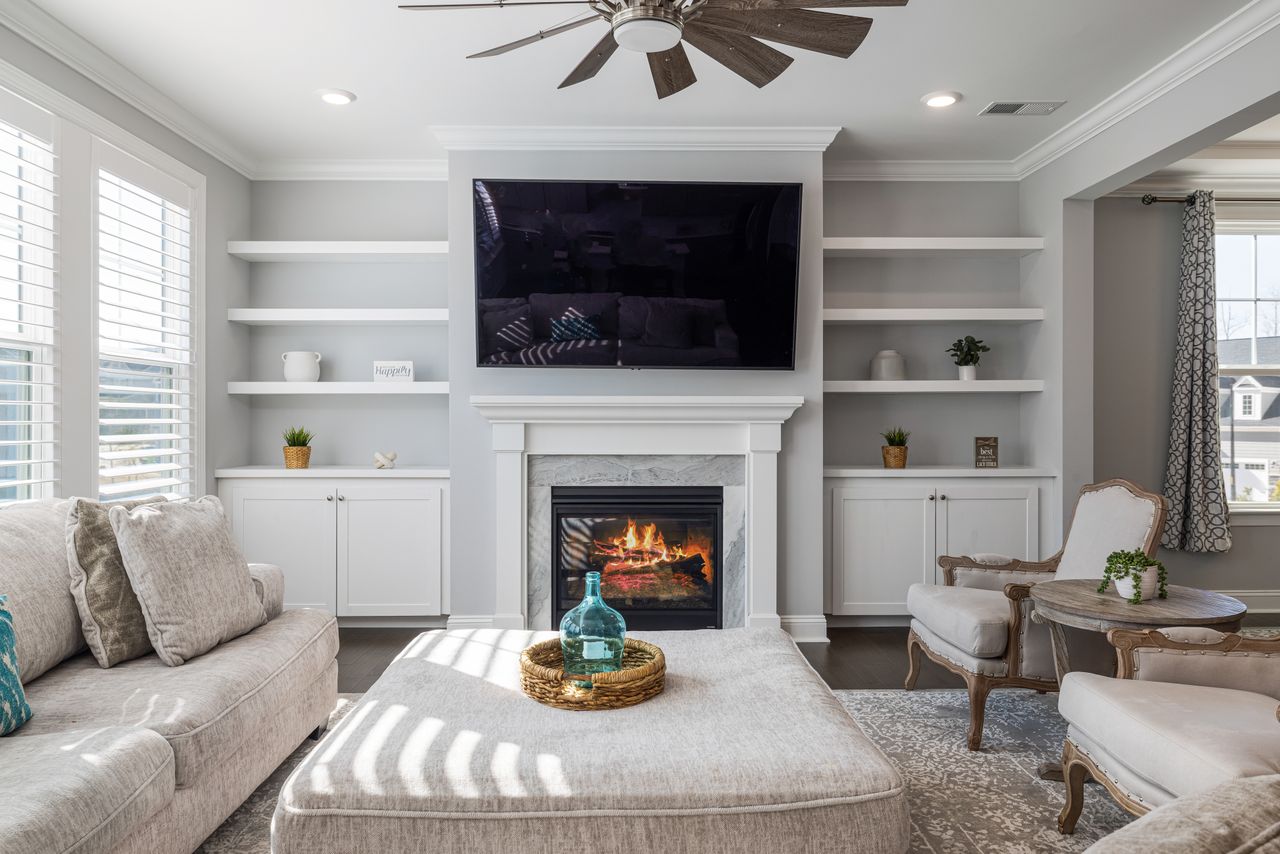

Sunlight does something quietly powerful. It wakes you up in the morning, lifts your mood on a dreary afternoon, and nudges your body toward sleep when evening rolls in. Most of us never think about it, yet the way light moves through our homes shapes how we feel hour by hour, day by day.
The tricky part is that modern life keeps us indoors. We work by screens, close the blinds against glare, and forget that our bodies evolved under an open sky. When natural light fades from our daily routine, mood dips, focus wobbles, and sleep gets strange. The good news is that you do not need a renovation or a sun-drenched penthouse to fix this.
This guide starts from the very beginning. No science background required. You will learn why daylight matters, how to read the light already flowing through your rooms, and simple ways to welcome more of it in without buying anything expensive.
Why Daylight Has Such A Big Effect On The Body
Your body runs on a roughly 24-hour internal clock called the circadian rhythm. This clock controls when you feel sleepy, when you feel hungry, when your energy peaks, and even when your mood is likely to dip. The main signal that keeps this clock accurate is light, specifically the bright, full-spectrum light that comes from the sun.
When daylight hits special cells in your eyes, your brain gets a clear message: it is daytime, be alert. Later, as that light fades, your brain releases melatonin and starts preparing you for sleep. Dim indoor lighting during the day confuses this system. Your body cannot quite tell if it is noon or evening, and the result is sluggish mornings, restless nights, and a flat mood in between.
According to research summarized in Nature Reviews Psychology, time spent in natural daylight contributes to better mood in a way that is separate from exercise. That is a big deal, because it means simply being in brighter light during the day gives you a mood lift you cannot replicate with a workout alone.
How To Read The Light In Your Home
Before you change anything, spend a day paying attention. Walk through each room at different times: early morning, midday, late afternoon, and evening. Notice where the light lands, where it feels gloomy, and where it bounces. Some rooms will surprise you.
A north-facing room gets soft, steady light all day but never direct sun. South-facing rooms are the brightest. East-facing rooms glow in the morning and dim by lunch. West-facing rooms stay dark until afternoon and then flood with warm, golden light. Knowing which direction your windows face is the single most useful thing you can learn about your home’s lighting.
Here are simple signs that a room is underlit during the day:
- You reach for a lamp before sunset
- Colors look muted or grayish
- The room feels cooler than the rest of the house
- You avoid spending time there
- Plants near the window lean hard toward the glass
- Mirrors and glossy surfaces look dull rather than bright
Once you identify the dimmest spots, you know exactly where to focus your efforts.
Morning Light Is The Most Important Light Of Your Day
If you only change one thing after reading this, make it this: get bright light into your eyes within the first hour of waking. Open the curtains the moment you get up. Eat breakfast near a window. Step outside for even a few minutes while your coffee brews.
Morning sun is unique because it contains the wavelengths your circadian clock responds to most strongly. It tells your brain the day has started and sets a countdown for melatonin release that evening. Skip it, and your body clock drifts later, which is why so many people feel groggy in the morning and wired at night.
A study published through BMC Public Health found that catching sunlight before 10 a.m. is linked to falling asleep earlier and a better-aligned body clock. In other words, the way you spend your mornings shapes how well you sleep that night.
What To Do If Your Bedroom Faces The Wrong Way
Not every bedroom gets morning sun, and that is okay. You can still build a bright morning routine by moving your first activities to the sunniest room in the house. Drink your tea in the kitchen if that is where the light lands. Do your morning stretches by the brightest window. If winter mornings are stubbornly dark where you live, a sunrise alarm clock or a small light therapy lamp can bridge the gap until real daylight catches up.
Easy Ways To Pull More Light Into Dim Rooms
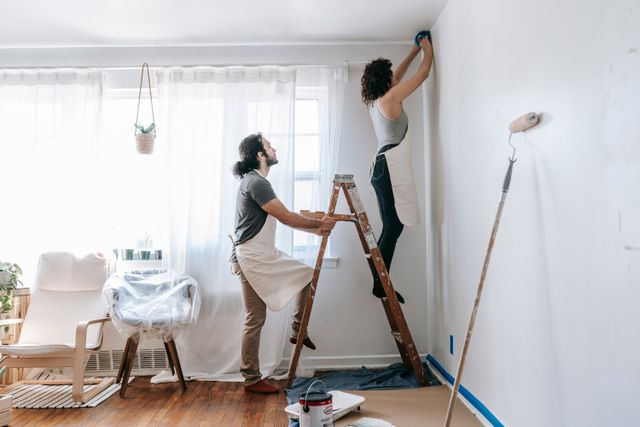
You do not have to knock down walls to brighten a room. Most of the work happens with what you already own. The goal is to help light travel further once it enters, and to stop blocking it at the source.
Start with the windows themselves. Heavy drapes, grimy glass, and cluttered sills eat light before it even reaches the room. Clean the panes inside and out. Swap thick curtains for sheer panels or light-filtering shades that still give you privacy. Trim back any outdoor plants pressing against the window.
Then look at surfaces. Light bounces, and pale, reflective surfaces bounce more of it. Try these small adjustments:
- Hang a large mirror on the wall opposite your biggest window
- Repaint dark walls in warm whites, soft creams, or pale neutrals
- Swap dark rugs for lighter ones in shaded corners
- Choose glossy or satin finishes over matte in dim areas
- Keep windowsills clear of clutter and tall objects
- Use glass or acrylic furniture where you want the eye to pass through
Rearranging furniture matters too. A tall bookcase in front of a window is a daylight thief. Pull seating closer to light sources so you naturally spend more time in the bright zones.
Designing Rooms That Actually Support How You Feel
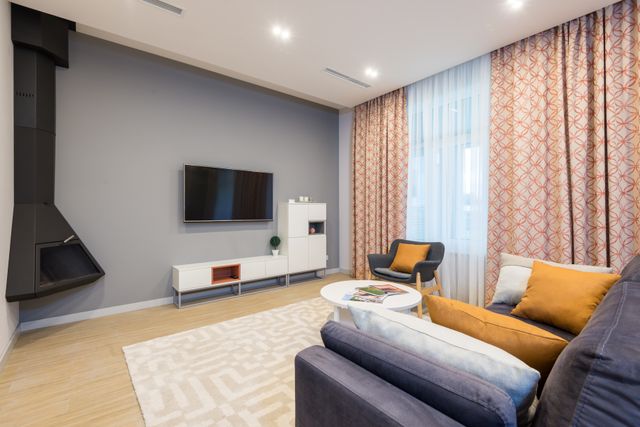
Light is only one piece of a space that genuinely helps you feel good. Color, texture, air quality, and how a room flows all work together. When people ask how to create a cozy living room that still feels bright and alive, the answer almost always involves layering natural light with warm materials and comfortable proportions.
Think about the activities each room hosts. A kitchen needs crisp, clear light for cooking safely. A reading nook wants softer, directional light so pages are lit without glare on the wall. A bedroom needs flexibility: bright in the morning, dim and warm in the evening. Matching the light to the activity is what makes a room feel right rather than just look right.
Building A Sense Of Wellness At Home
The phrase Wellness at Home gets used a lot, and it can mean different things to different people. At its core, it is about shaping the spaces you live in so they quietly support your health instead of working against it. Daylight is one of the most powerful tools in that toolkit, alongside fresh air, calm colors, and surfaces that feel good to touch.
When you combine thoughtful light with intentional design choices like eco-friendly furniture choices and natural fibers, you end up with rooms that look inviting and also happen to be better for your body and the planet.
Small sensory details matter more than most people realize. A wool throw within arm’s reach, a wooden side table that warms up as the afternoon sun hits it, a linen curtain that moves slightly when a window is cracked open. These are the touches that turn a well-lit room into one you actually want to linger in.
Managing Light Through The Seasons
Daylight is not a constant. It shifts dramatically between June and December, and a room that feels perfect in summer can turn cave-like by November. Planning for both extremes keeps your mood steadier year-round.
In summer, the challenge is often too much light at the wrong times. Afternoon glare can overheat west-facing rooms and bleach out furniture. Exterior shades, light-colored awnings, and leafy houseplants placed near hot windows help filter intensity without blocking the view. Keep mornings wide open, then soften the harsh hours between two and five.
Winter flips the problem. Days are short, the sun sits low, and everything feels dimmer. This is the time to:
- Pull furniture even closer to windows
- Add a second mirror if one is not doing enough
- Trade dark winter bedding for lighter tones
- Move your workspace to the sunniest spot you have between ten and two
- Step outside at midday even when it is cold, since cloudy daylight is still many times brighter than indoor lighting
Shoulder seasons are the easiest. Spring and autumn often give you the most workable light of the year, so use them to test what works. Note which chairs catch the best reading light in October, and you will know where to migrate next winter.
When The Weather Just Will Not Cooperate
Some regions get weeks of overcast skies, and no amount of mirror placement fully replaces the sun. On those stretches, a 10,000-lux light therapy lamp used for twenty to thirty minutes in the morning can keep your rhythm from drifting. Pair it with a short walk outside, even under gray clouds, and your body still gets a usable light signal. Consistency matters more than intensity. A dim daily habit beats a bright but occasional one.
Pairing Natural Light With Smart Evening Habits
Bright days work best when they are followed by dim evenings. The second half of your light routine is about letting darkness do its job. After sunset, your body expects the world to get quieter and warmer in tone. Overhead ceiling lights blasting white light until bedtime fight that signal hard.
Try switching to lamps at eye level or lower in the evening. Warm bulbs around 2700K or lower mimic the color of firelight and send a gentler message to your brain. Dimmer switches are worth every penny. If you cannot install them, a few low-wattage lamps scattered around a room give you the same effect for less money.
Screens are the other half of the equation. Phones and televisions push bright, blue-heavy light straight into your eyes right when your body is trying to wind down. You do not have to abandon them, but dimming the display, using night mode, and keeping the brightest screens out of the bedroom makes a noticeable difference in how quickly you fall asleep.
A simple evening sequence that works for most people:
- Turn off overhead lights an hour or two before bed
- Switch to warm lamps in the rooms you are using
- Dim screens or set them to a warmer tone
- Keep the bedroom as dark as possible once you are in it
- Open the curtains first thing the next morning to start over
Making Daylight A Habit, Not A Project
The most common mistake people make is treating light optimization as a one-time overhaul. You rearrange the furniture, hang a mirror, feel pleased, and then forget about it. But light changes constantly, and your habits drift with it.
Build small daily cues instead. Open every curtain in the house before you sit down with breakfast. Eat lunch near a window whenever possible. Take a short walk outside in the afternoon, even on busy days. These are tiny actions, but stacked together across a year they change how you feel in a way that no gadget can match.
If you share your home, get others involved. Kids learn fast that opening the blinds is part of the morning routine. Partners notice when the living room feels brighter without quite knowing why. Pets, by the way, will absolutely show you where the best patches of sun land, usually before you figure it out yourself.
Conclusion
Daylight is one of the few free, powerful tools you have for feeling better day to day. It steadies your sleep, lifts your mood, sharpens your focus, and asks almost nothing in return except that you notice it and make room for it. Most of the changes that matter cost nothing. Clean windows, open curtains, a mirror in the right spot, a chair pulled closer to the light.
The rooms you live in are not fixed. They respond to small decisions, and those decisions stack up over weeks and months into a home that works with your body instead of against it. Start with mornings. Pay attention to where the light falls. Adjust one thing this week, another next week, and watch how differently your days begin to feel.
You do not need perfect architecture or a south-facing wall of glass to benefit. You need curiosity about the light already around you and a willingness to meet it halfway. The sun shows up every day. The least you can do is open the blinds.