
Key Takeaways
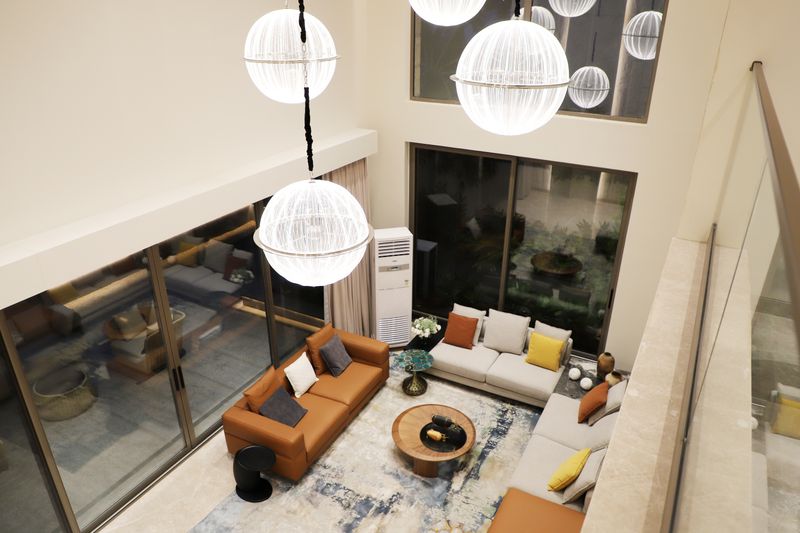
- Statement lighting serves as both a functional element and a focal point, shaping the mood of a room more than almost any other design choice
- Warm color temperatures between 2700K and 3000K produce the most inviting atmosphere for relaxation spaces
- Layering ambient, task, and accent lighting creates depth that a single overhead fixture cannot achieve
- LED bulbs offer dramatic energy savings and longer lifespans, making them smart choices for fixtures that stay on for hours
- Dimmers transform even modest fixtures into versatile mood-setters and should be considered non-negotiable for relaxation zones
- Scale and placement matter as much as the fixture itself — oversized pendants work in some rooms while clusters of smaller fixtures suit others
- Mixing metals, textures, and bulb styles gives a room character without feeling chaotic when done with intention
Why Lighting Shapes a Room More Than Furniture Ever Could
Walk into any beautifully styled space, and your eye goes to the sofa, the rug, maybe the art. But close your eyes for a second and try to remember how the room felt. That feeling almost always traces back to the lighting. It is the invisible hand that decides whether a space feels like a hotel lobby or your favorite reading nook.
Furniture sets the structure of a room, but lighting sets the emotional temperature. A gorgeous velvet sofa under harsh overhead fluorescents will still feel like a waiting room. A modest thrifted chair under the glow of a warm, well-placed lamp can feel like heaven. That gap between potential and reality is almost entirely closed by the right fixtures.
This is why designers obsess over lighting plans before anything else gets ordered. When you understand how light works in a space, every other decision gets easier.
Comparing the Three Core Lighting Layers
Most people light a room with a single ceiling fixture and call it done. That approach is the design equivalent of eating cereal for every meal — functional, but joyless. A truly comfortable room uses three layers working together, and understanding the differences helps you pick statement pieces that actually earn their keep.
Ambient lighting is your base layer. It fills the room with a general wash of illumination. Task lighting is focused and purposeful — the reading lamp beside your chair, the pendant over your side table. Accent lighting is the dramatic one, highlighting art or architecture and adding visual depth.
Here is how each layer typically shows up in a relaxation space:
- Ambient: chandeliers, flush mounts, large pendants, or a cluster of wall sconces
- Task: swing-arm floor lamps, adjustable table lamps, reading sconces
- Accent: picture lights, uplights behind plants, LED strips tucked under shelving
- Decorative: candles, string lights, small table lamps that exist mostly for charm
The key is that statement lighting can live in any of these categories. A sculptural floor lamp can be both task lighting and a conversation piece. A bold chandelier can serve as ambient light while anchoring the room visually.
How to Create a Cozy Living Room by Choosing the Right Bulb Temperature
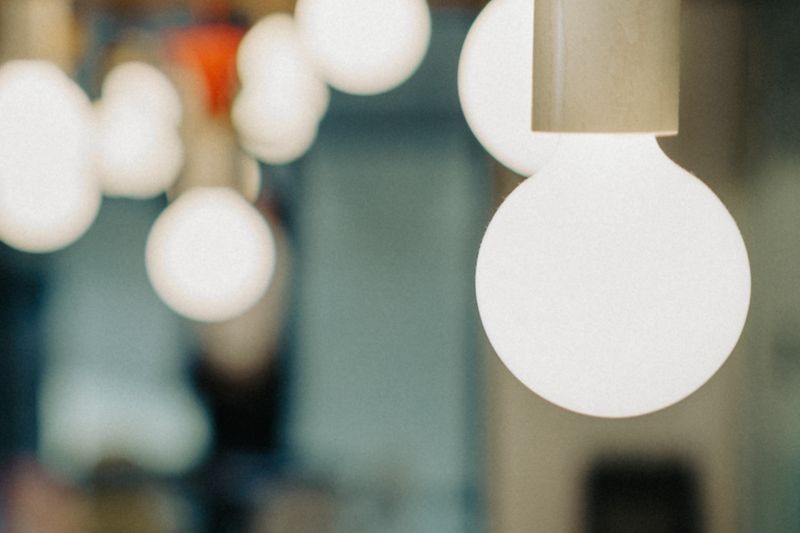
Bulb temperature is the single most overlooked factor in room comfort. Measured in Kelvin, it determines whether your light reads as crisp daylight white or candle-flame amber. For relaxation spaces, warmer is almost always better.
According to the American Lighting Association, the sweet spot for warm, inviting illumination in a lounge space sits between 2700K and 3000K. Anything cooler than that starts pushing the room toward a clinical, office-like feel. Anything warmer begins to feel orange and can distort the colors of your furnishings.
This is the technical foundation for how to create a cozy living room with any kind of statement fixture. You can spend thousands on a beautiful chandelier, but if you load it with 5000K daylight bulbs, you have essentially installed an interrogation lamp.
What About Smart Bulbs With Adjustable Temperatures?
Adjustable smart bulbs give you flexibility that fixed-temperature bulbs cannot match. In the morning, you can run cooler light for energy, then shift to warm tones by evening. The tradeoff is cost and complexity — they run three to five times the price of standard LEDs and require app setup. For a primary statement fixture that defines the room, I think they are worth it. For secondary lamps, standard warm bulbs do the job beautifully.
Big Statement Pieces Versus Clustered Smaller Fixtures
One of the biggest decisions when planning statement lighting is scale. Do you commit to one showstopper, or do you create impact through multiples? Both approaches work, but they produce very different results.
A single oversized pendant or chandelier anchors a room with authority. It tells your eye exactly where to look and gives the space a clear visual center. This approach works best in rooms with higher ceilings, defined seating arrangements, and a somewhat minimalist aesthetic that lets the fixture breathe.
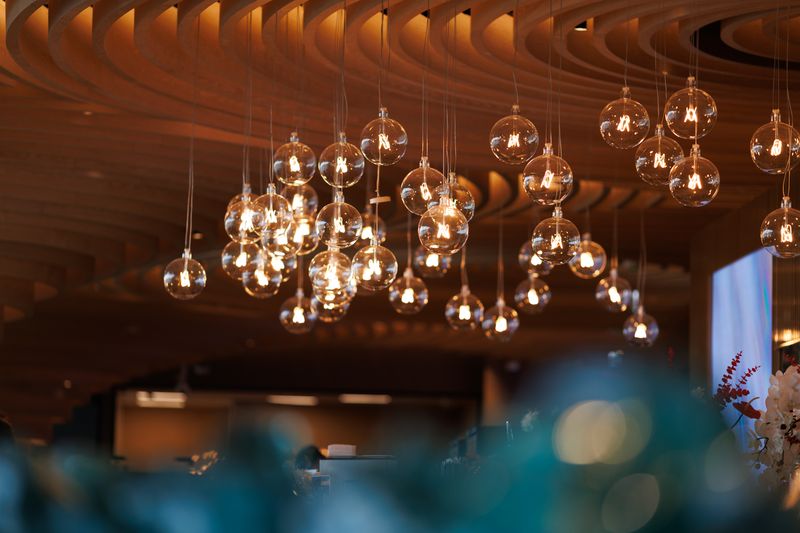
Clusters of smaller fixtures — think three pendants at staggered heights, or a mix of sconces and table lamps — create a more collected, lived-in feel. The eye travels around the room rather than locking onto one spot. This approach suits irregular spaces, lower ceilings, and homes with eclectic decor.
Consider these factors before committing to either approach:
- Ceiling height and room proportions
- Whether the room has one clear focal point or multiple seating zones
- Your existing decor style — minimalist versus collected
- How much visual weight your other furnishings already carry
- Natural light patterns throughout the day
Neither option is objectively better. A single sculptural piece in a small room can overwhelm the space, while three mismatched pendants in a sparse modern room can feel cluttered. Match the strategy to the room you actually have.
Weighing Energy, Lifespan, and Long-Term Costs
Statement fixtures often stay on for hours every evening, which makes the bulb choice a quiet but significant decision for both your electric bill and the environment. The gap between old incandescents and modern LEDs has become too large to ignore.
According to the Department of Energy lighting guide, residential LED bulbs consume at least 75 percent less energy and can last up to 25 times longer than incandescent options. That math is wild when you apply it to a fixture you might run four or five hours a night. A bulb that would have burned out in a year now lasts a decade or more, and it sips power while doing it.
Does Bulb Shape Still Matter With LEDs?
Early LEDs looked industrial and awkward, which is why many people stuck with incandescents for exposed fixtures. That era is over. You can now get LED bulbs in vintage Edison styles, globe shapes, and candelabra forms that look identical to their old counterparts when lit. If your statement fixture shows off its bulbs, you no longer have to choose between aesthetics and efficiency. This flexibility also makes it easier to fold your lighting upgrades into a comprehensive home maintenance plan without constantly swapping burned-out bulbs every few months.
Dimmers, Switches, and the Small Details That Change Everything
You can own the most beautiful fixture in the world and still end up with a room that feels wrong, because full-blast lighting rarely matches the mood you actually want. Dimmers solve this problem for pennies compared to the cost of the fixture itself.
A dimmer transforms a single fixture into a versatile tool. Morning coffee light, dinner party glow, late-night movie dim — all from the same bulb. For any statement piece in a cozy living zone, I consider a dimmer non-negotiable. Pair your dimmer with the right bulb, though. Not all LEDs dim smoothly, and some flicker or buzz on incompatible dimmer switches. Look for bulbs explicitly labeled dimmable and marked compatible with your switch type, and you will avoid the most common frustration people hit after installing a new fixture.
Beyond the dimmer itself, consider where the switch lives. A statement chandelier controlled by a switch across the room from where you actually sit defeats the purpose. Smart switches and remote-controlled fixtures solve this elegantly, letting you adjust the mood without leaving the sofa. Three-way switches at multiple entry points also make a room feel considered rather than clumsy.
Small hardware choices add up. A warm brass toggle plate reads differently than a plastic rocker. Fabric-wrapped cords on pendant lights feel intentional in a way that plain white wire never will. These details are invisible individually but noticeable as a whole.
Mixing Metals, Textures, and Styles Without Creating Chaos
One of the fastest ways to make a room feel flat is to match every fixture to the same finish. Matching sets look great in showrooms and dull in real homes. A little contrast gives a space depth and the sense that it was collected over time rather than ordered in a single click.
The trick is finding a loose through-line. If your main chandelier is aged brass, you do not need every lamp to match, but picking up warm metallics elsewhere — a bronze floor lamp, a copper accent piece — keeps the mix feeling intentional. Cool metals like chrome and nickel can also play together, but mixing warm and cool finishes requires more care and usually benefits from a neutral bridge piece.
Texture matters just as much as finish. Consider balancing these elements across your fixtures:
- A smooth ceramic lamp base against a woven rattan pendant
- A glass globe shade near a pleated fabric drum shade
- A sleek metal arc lamp paired with a rough linen-wrapped sconce
- A polished marble base beside an oxidized metal fixture
Variety keeps the eye moving. The goal is not perfect coordination but a conversation between pieces that feels relaxed instead of forced.
How Many Fixtures Is Too Many?
There is no magic number, but most well-lit lounge spaces end up with between five and eight light sources once you count everything — the main ceiling fixture, two table lamps, a floor lamp, maybe a pair of sconces, and a candle or two. If you can count more than ten and the room still feels dim in spots, the problem is placement, not quantity. If you have three sources and the room feels bright enough but flat, you probably need more variety rather than more wattage.
Placing Statement Lighting for Maximum Impact
Even the most beautiful fixture underperforms in the wrong spot. Placement is where good lighting plans become great ones, and it costs nothing to get right if you think it through before the drill comes out.
Hanging height is the most common mistake. Pendants and chandeliers over coffee tables or seating areas generally look best with the bottom of the fixture sitting between 60 and 68 inches from the floor. Too high and the fixture floats, disconnected from the room. Too low and it crowds the space, making the ceiling feel lower than it is.
Floor lamps work best when they overlap seating slightly, placed just behind or beside a chair rather than stranded in a corner. Table lamps should sit at a height where the bottom of the shade falls roughly at eye level when you are seated — too high, and the bulb glares into your line of sight; too low, and the light pools uselessly on the table.
Sconces deserve special mention because they are chronically underused in lounge spaces. Flanking a sofa, framing a fireplace, or marking the edges of a bookshelf, sconces add light exactly where floor space is at a premium. They also free up surfaces that would otherwise be eaten up by lamps.
Conclusion
Lighting is the quiet workhorse of any welcoming room. You can swap out a sofa, repaint the walls, or rearrange every piece of furniture, but if the light is wrong, nothing else will land the way you want it to. The fixtures you choose, the bulbs you load them with, and the way you layer them together do more to shape how a room feels than almost any other choice in the design process.
The good news is that none of this requires a decorator or a massive budget. A warm bulb, a dimmer switch, and one well-chosen statement fixture can transform a room in a weekend. Add a second layer with a thoughtful floor lamp or a pair of sconces, and you are already past what most homes ever achieve. The principles stay the same whether you are working with a tiny apartment or a sprawling great room.
Start with one change. Swap the bulbs in your existing fixtures to something in the 2700K range and see what happens. Then add a dimmer. Then consider what a single statement piece might do for the corner of the room that has always felt neglected. Lighting rewards patience and attention, and the room you end up with will feel less like a space you decorated and more like a place you actually want to be.