
Key Takeaways
- Reclaimed and FSC-certified woods offer durability and lower environmental impact compared to mass-produced particleboard furniture that often ends up in landfills within a few years.
- Natural fiber textiles like organic cotton, hemp, linen, and wool bring warmth and texture without the chemical off-gassing common in synthetic upholstery.
- Secondhand shopping, vintage finds, and refurbished pieces are often the most sustainable choice because they extend the life cycle of existing furniture.
- Low-VOC finishes, water-based stains, and natural oils protect indoor air quality while still giving wood pieces a rich, finished look.
- Modular and multifunctional furniture reduces the need for additional pieces, saving space, money, and raw materials over time.
- Supporting local artisans and small ethical brands cuts shipping emissions and tends to produce longer-lasting, repairable items.
- Consumers increasingly expect sustainable options, and the market is growing quickly to meet that demand.
Why Your Living Room Deserves a Greener Rethink
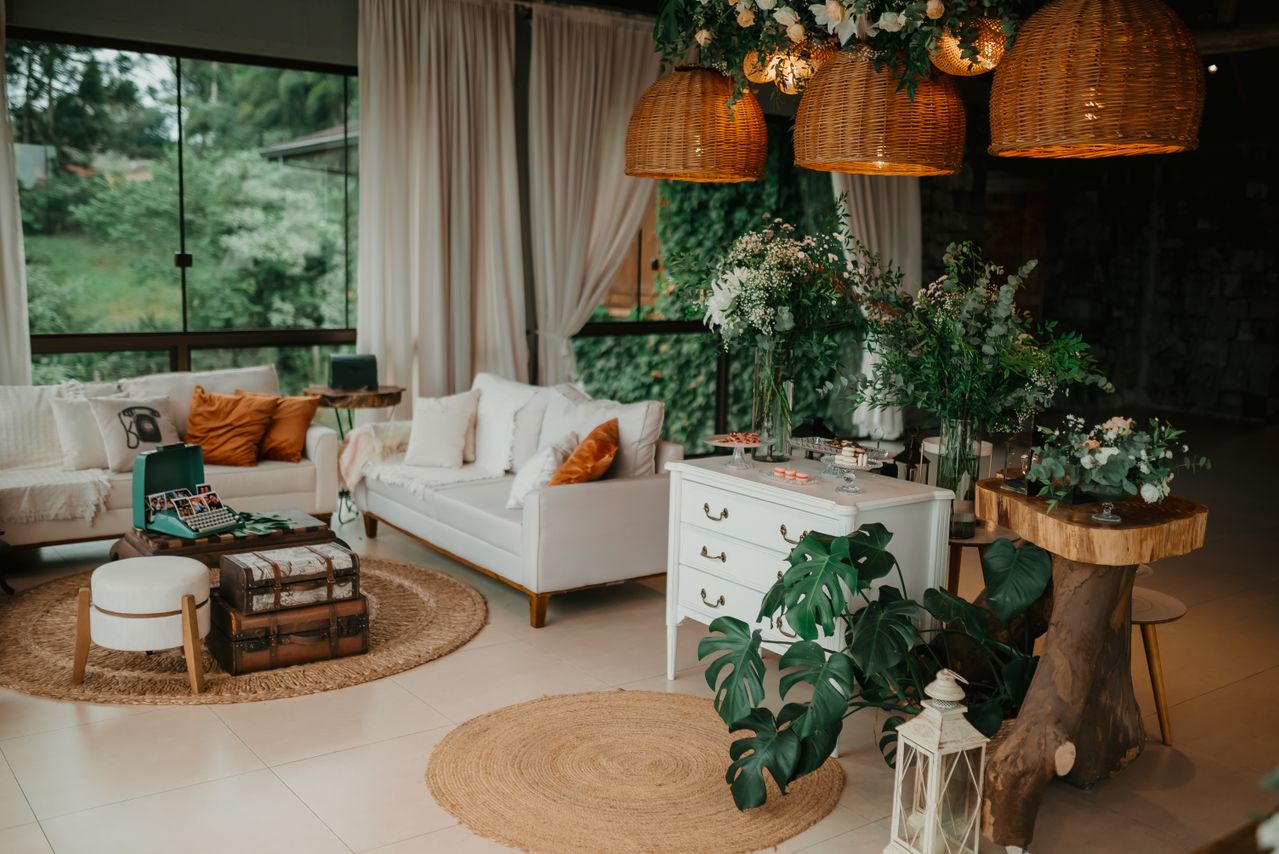
The living room is where most of us unwind, host friends, binge a favorite show, or sprawl out on a lazy Sunday. It’s also, quite often, the most furniture-heavy room in the house. Couches, coffee tables, shelves, rugs, side tables, lamps, armchairs — every piece carries a story about where it came from, what it’s made of, and where it will eventually go.
That last part is the one most of us don’t think about. Furniture feels permanent when we buy it, but the reality is that a huge amount of it gets tossed within just a few years, especially the cheap flat-pack stuff designed to be replaced. According to Earth911, Americans discarded 12.1 million tons of furniture in 2018, the most recent year the EPA tracked the category. That’s a mountain of sofas, dressers, and chairs piling up in landfills.
The good news is that making greener choices doesn’t mean giving up style or warmth. In fact, sustainable pieces tend to be better built, better looking, and better for the people actually living with them. Let’s walk through how to put together a living room that feels good to sit in and good to own.
What Makes Furniture Actually Eco-Friendly?
The term “eco-friendly” gets tossed around a lot, and not always honestly. A sofa wrapped in plastic, shipped halfway across the world, and stuffed with petroleum-based foam isn’t suddenly green because the brand slapped a leaf on the label. Real sustainability touches every stage of a product’s life, from raw materials to how it’s made to what happens when you’re done with it.
A few qualities tend to separate the genuinely sustainable pieces from the greenwashed ones. Look past the marketing and check the specifics. Manufacturers who are doing it right will usually tell you exactly where their wood comes from, what glues and finishes they use, and how workers are treated.
Here’s what to actually look for when evaluating a piece:
- Certifications like FSC (Forest Stewardship Council) for wood, GOTS for textiles, and GREENGUARD for low emissions
- Natural or recycled materials rather than synthetic blends and plastics
- Transparent sourcing — the brand can tell you where materials originated
- Non-toxic finishes, glues, and dyes with low or zero VOCs
- Repairable construction, meaning parts can be replaced instead of the whole piece being junked
- Fair labor practices across the supply chain
Why Certifications Are Worth Checking
Third-party certifications aren’t perfect, but they add accountability that brand promises can’t. An FSC stamp on a coffee table means an outside organization has verified the wood came from responsibly managed forests. GREENGUARD Gold certification tells you the piece has been tested for chemical emissions. These labels remove some of the guesswork and let you shop with more confidence, especially online where you can’t inspect anything in person.
Choosing Sustainable Materials That Last
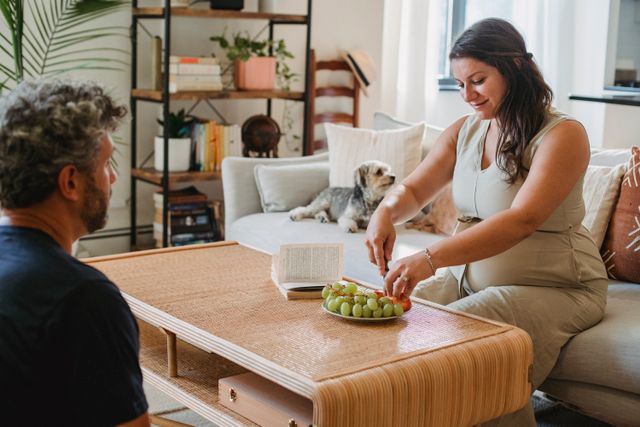
Material choice is probably the single biggest factor in how green a piece of furniture really is. Solid wood, when sustainably harvested, can last generations and be refinished or repurposed. Composite boards held together with resin, by contrast, often start falling apart within a few years and can’t be meaningfully recycled.
Reclaimed wood is a standout option. It takes timber that already exists — from old barns, warehouses, decommissioned ships, or demolished buildings — and gives it a second life as a dining table or media console. Each piece carries character you can’t fake: nail holes, saw marks, weathered grain. Bamboo is another strong contender because it grows incredibly fast and regenerates without replanting, though it’s worth checking how it was processed and shipped.
For upholstery and soft goods, natural fibers beat synthetics on almost every count. Organic cotton, hemp, linen, and wool breathe better, feel better against the skin, and don’t shed microplastics into your home. Natural latex and wool batting make great alternatives to polyurethane foam, which releases chemicals as it breaks down.
How to Create a Cozy Living Room Without the Fast Furniture Trap
Fast furniture is to home goods what fast fashion is to clothing — cheap, trendy, and built to be replaced. It’s tempting because the upfront price is low, but the long-term costs add up fast. Something that falls apart in two years and ends up in a landfill isn’t really a bargain, no matter what the sticker said.
Figuring out how to create a cozy living room without falling into this trap starts with shifting your mindset from quantity to quality. Instead of buying a full set at once, consider building the room slowly, piece by piece, as you find things you genuinely love. A single well-made armchair you keep for twenty years does more for your space, your wallet, and the planet than three cheap ones you replace along the way. This is also a great moment to improve home comfort through thoughtful choices rather than impulse purchases.
A few habits that help you avoid the fast furniture trap:
- Set a longer time horizon — ask if you’d still want this piece in ten years
- Prioritize solid wood joinery over staples, cams, and particleboard
- Read reviews that mention durability specifically, not just looks
- Factor in the cost per year of ownership, not just the sticker price
- Look for brands that offer replacement parts or repair services
The Case for Secondhand and Vintage Pieces
If sustainability is the goal, nothing beats buying something that already exists. Every piece of secondhand furniture you bring home is one less new item that needed to be manufactured, and one less old item sent to the dump. Thrift stores, estate sales, Facebook Marketplace, Craigslist, and local consignment shops are goldmines if you’re patient.
Vintage furniture also tends to be built better than most new stuff at comparable prices. A mid-century dresser from the 1960s was likely made from solid wood with dovetail joinery, and it’s probably outlasted three or four Ikea equivalents by now. The same logic applies to leather chairs, sturdy coffee tables, and brass lamps that get more character with age.
Making Old Pieces Feel New Again
Don’t be scared off by scratches, faded upholstery, or dated fabric. Reupholstering a well-built sofa frame is often cheaper than buying new, and you get to choose exactly the fabric you want. A coat of chalk paint can transform a dark-stained bookshelf. Even swapping out dated hardware on a credenza can make it look like a completely different piece. The bones of old furniture are usually worth saving — it’s just the surface that needs attention.
Soft Textiles, Natural Fibers, and Warm Layers
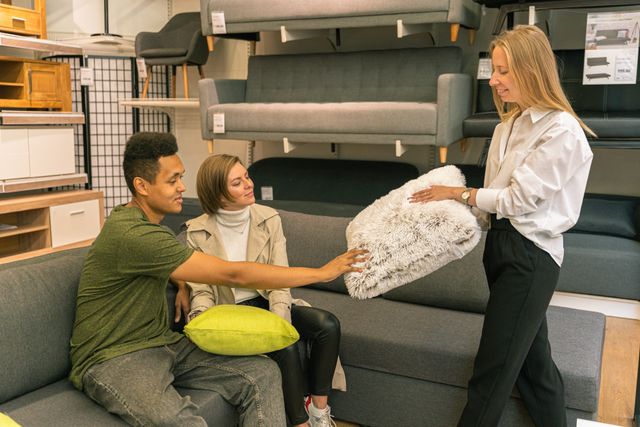
Furniture gets the headlines, but textiles do most of the heavy lifting when it comes to how a room actually feels. A sparse, hard-surfaced room feels cold no matter how beautiful the furniture is. Throws, pillows, rugs, and curtains add the warmth and texture that make you want to actually spend time in a space, and they’re one of the easiest places to make sustainable swaps.
Wool rugs are a classic choice because they’re naturally durable, flame-resistant, and biodegradable. Jute and sisal are great for layering and add instant texture. For pillows and throws, look for organic cotton, linen, hemp, or responsibly sourced wool. Avoid anything labeled stain-resistant or wrinkle-free unless you know what chemicals wereused — those finishes usually involve PFAS or formaldehyde-based treatments that off-gas into your home for years.
Layering is where the magic happens. A nubby linen throw draped over a leather armchair, a chunky knit pillow against a canvas sofa, a wool rug underfoot with a smaller vintage runner layered on top — these combinations build depth without requiring a single new piece of furniture. Natural fibers also age gracefully, developing a lived-in softness that synthetics simply can’t replicate.
Caring for Natural Textiles
One worry people have about natural fibers is maintenance. The truth is they’re often easier to live with than you’d think, as long as you treat them accordingly. Spot clean spills quickly with mild soap and water. Rotate pillows and cushions to even out wear. Air out wool rugs outside once or twice a year to keep them fresh. Avoid harsh detergents, which break down natural fibers faster than gentle, plant-based ones. With basic care, a quality wool rug or linen slipcover can easily outlast a decade of daily use.
Low-VOC Finishes and Healthier Indoor Air
The air quality inside most homes is worse than the air outside, and furniture is a big reason why. Conventional stains, lacquers, glues, and foam padding release volatile organic compounds long after the piece is assembled. That new-furniture smell everyone recognizes? It’s chemicals evaporating into the room you breathe in every night.
Water-based finishes, natural oils like tung or linseed, and beeswax polishes are all solid alternatives that protect wood without polluting your air. Many small furniture makers now default to these options, and even bigger brands are starting to offer low-VOC lines in response to customer demand. When shopping, ask directly about finishes — a company committed to healthier products will answer without hesitation.
- Choose water-based polyurethane over solvent-based versions
- Seek out furniture finished with hardwax oils or pure plant oils
- Avoid pressed-wood products made with urea-formaldehyde glues
- Look for GREENGUARD Gold or similar indoor air quality certifications
- Let any new piece air out in a garage or well-ventilated space before bringing it into your main living area
Modular and Multifunctional Pieces That Earn Their Space
A sustainable living room isn’t just about materials — it’s also about buying less in the first place. Furniture that pulls double duty cuts down on the sheer number of items you need to own, which means fewer raw materials, less shipping, and less eventual waste. A storage ottoman replaces both a coffee table and a bin. A sleeper sofa handles guests without requiring a dedicated spare bed. A lift-top coffee table works as a laptop desk when you want to spread out.
Modular sofas deserve special mention. They adapt as your life changes — rearrange them for a movie night, break them apart when you move, add sections if your family grows. Good modular systems let you replace or add individual pieces rather than replacing the whole sofa when one cushion wears out. That kind of flexibility is the opposite of disposable.
Supporting Local Makers and Ethical Brands
Where a piece comes from matters almost as much as what it’s made of. A locally crafted oak bench made two towns over didn’t need to cross an ocean in a shipping container. It probably supports a small workshop or a family business rather than a factory with questionable labor conditions. And if something breaks, there’s a real person you can call to fix it.
Local artisans also tend to use regional materials, which further cuts the footprint of each piece. A cabinetmaker in Vermont is likely working with maple and cherry from nearby forests. A weaver in New Mexico probably sources wool from regional sheep farms. These shorter supply chains aren’t just better for the planet — they produce pieces with a sense of place that mass-produced goods can never match.
Questions Worth Asking a Brand
Before you commit to a purchase, especially a bigger one, dig a little. Brands doing genuine work welcome these questions. Ones that dodge or give vague corporate answers are telling you something.
- Where are your materials sourced, and can you name specific suppliers?
- What finishes, glues, and dyes do you use?
- How are your workers paid and treated?
- Can I buy replacement parts if something wears out?
- What happens to this piece at the end of its life — can it be recycled, composted, or returned?
Putting It All Together Without Starting Over
Nobody expects you to toss your current furniture and rebuild from scratch — that would be the opposite of sustainable. The greenest living room is the one you already have, improved gradually with thoughtful swaps as pieces wear out or needs change. Keep what works. Repair what’s broken. Reupholster what’s tired. Donate what no longer fits your life so someone else can use it.
When you do need to add something, let that be the moment you apply everything above. Choose the solid wood side table over the particleboard one. Pick the wool throw over the polyester fleece. Hunt down the vintage lamp before clicking buy on a new one. Each individual choice is small, but together they add up to a space that reflects your values and lasts long enough to be worth the investment.
Conclusion
Building a greener living room isn’t about perfection or spending a fortune on certified everything. It’s about paying attention — to where things come from, how they’re made, and whether they’re built to stick around. Small shifts in how you shop compound over time into a home that feels warmer, healthier, and more personal than anything a big-box catalog can deliver.
The pieces you choose now will shape the way your space feels for years to come. A reclaimed wood coffee table, a secondhand armchair reupholstered in organic linen, a wool rug from a small weaver, a modular sofa you can rearrange as life shifts — these aren’t just furniture decisions. They’re quiet statements about what you value and how you want to live inside your own walls.
Start where you are, with what you have, and move slowly. Replace one thing at a time with something better. Learn to repair rather than discard. Celebrate the character that comes with age and use. Over the long haul, that approach does more for the planet and for your daily life than any single shopping spree ever could, and you’ll end up with a room that feels genuinely yours.