

Owning a property involves a continuous series of practical decisions regarding regular maintenance, functional upgrades, and long-term structural preservation. While many homeowners focus heavily on interior cosmetic projects like kitchen remodels or fresh wall paint, the physical shell of the house requires equal attention. A home exterior serves as its primary defense against natural elements, moisture intrusion, and seasonal temperature shifts. Overlooking subtle signs of wear on the outside can lead to massive structural repairs inside the living space later on.
Establishing a routine audit of the entire property helps identify minor vulnerabilities before they evolve into costly emergency situations. An effective exterior evaluation looks at every layer of the house, starting from the highest point of the roof structure down to the subterranean utility pipes buried beneath the lawn. By breaking the property down into specific visual zones, homeowners can conduct systematic reviews each spring and autumn. This practice not only protects the physical integrity of the building but also preserves long-term financial equity and market appeal.
Understanding how various home systems interact is key to a successful audit. A problem with water runoff from the roof, for instance, can quickly become a foundation concern if ground drainage systems are neglected. Similarly, overgrown trees near the house might threaten both wall cladding and overhead power lines. Taking a holistic approach ensures that no individual component is evaluated in total isolation. With a methodical checklist, property owners can build a manageable timeline for routine upkeep, professional inspections, and necessary trade interventions over time. Ultimately, regular audits provide complete clarity regarding maintenance priorities and immediate financial investments.
Examining Roof Systems and Renewable Energy Setup

The top of the house takes the brunt of extreme weather throughout every season. Heavy rain, hail, accumulation of winter snow, intense summer heat, and sudden high winds constantly challenge roofing materials. A thorough audit begins with a ground-level binocular scan or a safe ladder check of the shingles, flashing, and ridge vents. Homeowners should look for curled, cracked, or missing shingles, as well as loose granules accumulated near downspout exits. Flashing around chimneys, skylights, and vent pipes must be tight and fully sealed to prevent rainwater from creeping under the underlayment.
When minor damage or aging signs appear across large sections of the roof deck, consulting a qualified roofer is the best way to determine whether simple repairs or a complete tear-off is necessary. A professional can identify underlying deck rot that remains invisible from the ground level. Furthermore, clear attic ventilation must be verified, as trapped humidity under the roof deck drastically shortens material lifespans and inflates heating and cooling bills during peak summer and winter seasons. Regular attic inspections also help detect small water stains along wooden rafters before leaks cause ceiling collapses inside living quarters.
For homes equipped with clean energy systems, solar panel arrays demand their own specialized checks. Dust, fallen leaves, pollen, and bird droppings reduce solar efficiency over time, while harsh weather can loosen mounting hardware or damage exposed wiring harnesses. Engaging a certified solar service ensures that all electrical connections, inverters, and racking assemblies remain secure and functioning at peak efficiency without compromising the structural integrity of the underlying roof frame. Modern technicians can also verify that bird guards remain intact under the solar array panels.
Auditing Wall Cladding, Siding, and Thermal Envelope Integrity
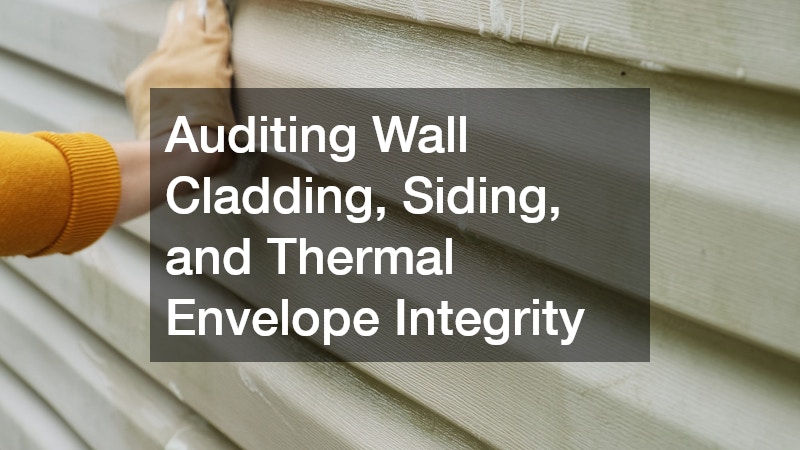
Directly below the roofline, the exterior walls form the home’s vertical shield against driven rain, wind, and ambient outdoor temperatures. Whether a property features vinyl panels, fiber cement, engineered wood, or traditional brick veneer, wall surfaces should be thoroughly checked twice a year. Homeowners need to search for cracked panels, loose trim pieces, popping nails, or gaps in the caulking around door and window frames. Any break in this outer skin permits moisture to penetrate wall cavities, creating ideal conditions for hidden wood rot and indoor mold growth.
Pay special attention to areas where different construction materials meet, such as where siding touches masonry piers or porch foundations. Caulk in these expansion joints tends to dry out, shrink, and crack over time due to constant heating and cooling cycles. Refreshing old sealant prevents driving rain from working its way behind the weather-resistant barrier. Additionally, look for signs of soft wood around window sills, soffits, and fascia boards, which often signal long-term water exposure from overflowing gutters or improperly installed drip edges. Checking exterior wall outlets and exhaust vent covers for tight weather seals helps maintain insulation integrity.
When siding shows widespread warping, persistent moisture retention, or significant thermal inefficiency, working with seasoned siding contractors becomes a logical step for the property owner. Professional tradespeople can evaluate whether localized repairs will suffice or if installing modern insulated siding would better protect the structure and reduce monthly energy expenses. Upgrading wall insulation during siding replacement also provides an ideal opportunity to correct underlying structural wall shear framing issues before they worsen over time.
Evaluating Outdoor Living Structures, Decks, and Enclosures

Outdoor living spaces expand a property’s functional footprint, providing comfortable areas for summer relaxation, family dining, and entertaining guests. However, because decks and enclosed screen structures remain fully exposed to rain, sun, and seasonal freezing, they demand regular structural evaluations. A complete inspection starts with the structural support posts, joists, and ledger boards that anchor these spaces to the main house. Check for soft spots in timber, rusted metal joist hangers, loose carriage bolts, and any physical separation between the deck ledger and the house rim joist.
Unprotected wood decks suffer rapid surface degradation from standing water and ultraviolet radiation. Homeowners who want to preserve their initial investment often choose to cover decks with durable architectural canopies, pergolas, or permanent aluminum awnings to shield the underlying wood planking from extreme climate exposure. Adding a protective overhead structure reduces ongoing staining costs, prevents board warping, and extends the structural life of the underlying framing significantly over many years. Checking deck handrails, stair balusters, and surface fasteners ensures guest safety during outdoor social gatherings.
Enclosed patio areas need detailed hardware and mesh checks as well. Over time, screen mesh can tear, screen doors misalign, and support posts settle unevenly due to ground movement. Inspecting screen porches for frame corrosion, sagging mesh panels, and loose kick-plates ensures that these spaces remain comfortable and secure throughout the spring and summer months. Replacing damaged screen panels quickly prevents nuisance insects from colonizing the space and keeps windborne yard debris out during unexpected seasonal storms.
Managing Tree Hazards, Overhead Canopies, and Perimeter Safety
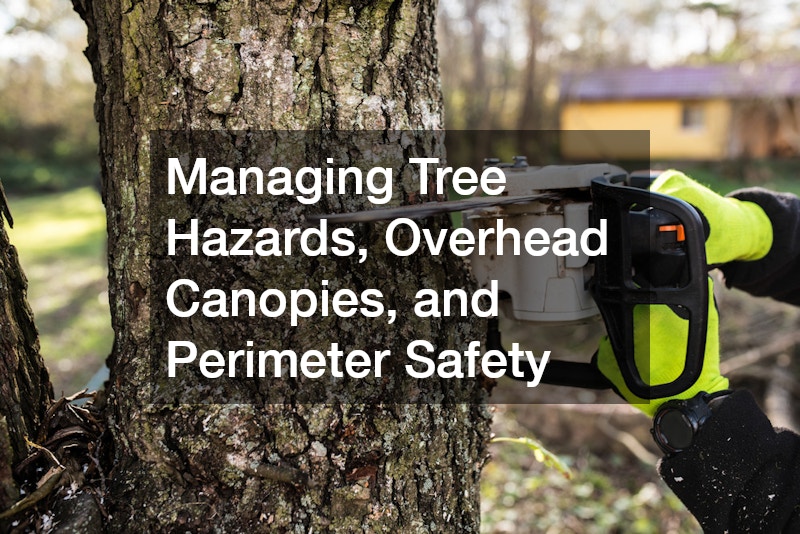
The natural landscape surrounding a home adds beauty, shade, and overall property value, but mature trees also present potential hazards if neglected. Large trees growing close to a residence can damage roof surfaces, clog gutters with excessive leaf litter, and threaten structural integrity during severe windstorms. An effective landscape audit begins by assessing overall tree health, canopy balance, and proximity to structures and utility service lines.
Look for dead or dying branches, large hollows in trunks, fungal growth near the root crown, and trees that lean heavily toward structures. Branches extending over rooflines should be pruned back to prevent them from rubbing against shingles or providing easy pathways for squirrels and raccoons to access the attic space. Root systems must also be monitored, as aggressive roots can lift concrete driveways, crack foundation walls, and crush buried pipe systems under the lawn. Ensuring at least ten feet of open clearance between major branches and the roof surface protects exterior materials from continuous shade and moss growth.
When a tree exhibits severe internal rot, structural instability, or immediate encroachment upon power lines or roof structures, scheduling a professional tree removal is necessary to eliminate safety risks. Removing dead or hazardous timber prevents catastrophic storm damage and protects nearby home systems from sudden structural impact. Arborists can safely dismantle large trees piece by piece, avoiding collateral damage to surrounding landscaping, decks, or perimeter fences. Taking care of dead trees promptly also reduces insect nesting grounds near the home, ensuring the surrounding yard stays clean, open, and safe for outdoor family activities.
Foundation Sub-Floors, Moisture Control, and Pest Barriers
Beneath the main living quarters lies the foundation, a critical structural zone that supports the entire weight of the house. Whether built on a concrete slab, full basement, or raised crawlspace, this structural base must remain dry and stable year-round. Inspecting foundation walls for horizontal cracks, bulging masonry, or white powdery efflorescence helps detect water infiltration early. Efflorescence indicates that water is actively traveling through the concrete and evaporating on the interior side, leaving mineral deposits behind.
Homes constructed over dirt crawlspaces face unique environmental challenges. Unsealed soil constantly releases ground moisture into the air under the floor joists, causing wood rot, rusted metal fasteners, and elevated humidity throughout the entire house. Implementing a total crawlspace encapsulation system–which includes laying thick vapor barriers over the ground, sealing foundation vents, and adding conditioned air–effectively stops moisture transfer, improves indoor air quality, and lowers heating costs. Installing a reliable sump pump inside the sub-floor area offers added emergency defense against rising groundwater tables during flash floods.
Dark, damp sub-floor areas also serve as major magnets for unwanted pests such as wood-destroying termites, carpenter ants, and rodents. Regular checks under the home should include looking for mud tubes, chewed insulation, or pest droppings. Partnering with a reliable pest control service ensures that preventative barriers are maintained around the entire perimeter, shielding structural timbers from wood-boring insects before hidden damage occurs. Establishing routine inspections of the sub-floor area provides peace of mind, knowing that the structural wood framing beneath living room floors remains strong, dry, and completely uncompromised by moisture or biological organisms.
Ground Drainage Systems and Underground Plumbing Infrastructure
Proper water management extends far beyond the roof gutters and downspouts. Ground-level drainage determines where rainwater flows once it leaves downspouts and patio surfaces. Water should always slope away from the foundation at a rate of at least six inches over the first ten feet. Standing water in the yard after light rainfall points to poor soil grading or compacted clay that traps moisture against the home’s footings.
To resolve persistent standing water issues, property owners often install French drains, catch basins, or underground downspout extensions. Booking professional drain services can clear blocked perimeter pipes and ensure that stormwater moves efficiently toward street gutters or dedicated discharge outlets. Keeping perimeter drains clear prevents hydrostatic pressure from building up against basement walls, which causes cracking, bowing, and interior flooding. Inspecting pop-up emitters at downspout exits ensures that grass clippings and leaves do not obstruct water discharge during downpours.
Underground plumbing lines that transport wastewater away from the home require periodic checks as well. Tree roots, ground shifting, and age-related pipe degradation can slow down household drains or lead to complete line blockages under the yard. When slow drains, gurgling toilets, or unpleasant lawn odors signal main line issues, arranging professional sewer repairs protects the property from hazardous backups. Modern trenchless repair methods can often restore broken lines without requiring destructive digging across established lawns and driveways. Conducting routine video camera pipe inspections allows technicians to locate minor hairline pipe fractures long before total pipe collapses happen under driveway slabs.
Organizing Audit Findings and Scheduling Routine Maintenance
Conducting a full home exterior audit provides a clear picture of overall property health, but turning those findings into an actionable plan is where the real value lies. Homeowners should document their observations using photos, detailed written notes, and a clear system of prioritization. Grouping items into immediate safety concerns, seasonal upkeep, and long-term capital improvement projects makes budgeting manageable and reduces stress.
Immediate safety issues–such as hanging tree limbs, active roof leaks, or backed-up sewer lines–should always take top priority. These issues compound quickly and lead to secondary damage if left unaddressed. Secondary priorities include preventative measures like refreshing exterior caulk, cleaning solar panels, or re-sealing deck surfaces. These tasks protect building materials and maintain operational efficiency across all home systems. Scheduling seasonal appointments with specialized trades ensures that complex maintenance tasks receive proper technical expertise throughout the calendar year.
Long-term projects can be planned out over one to three years. Major investments like siding replacement, complete crawlspace sealing, or full roof tear-offs benefit from careful research and contractor consultations well in advance. By keeping a master log of all completed repairs, professional service dates, and future project goals, property owners create a transparent record of care. This documentation proves invaluable when refinancing or selling the property in the future.
Creating a consistent schedule is simple when aligned with the changing seasons. Performing a lightweight check every spring and autumn ensures that harsh winter conditions or intense summer heat do not catch the home off guard. With a disciplined audit routine, homeowners can take pride in maintaining a safe, efficient, resilient, and beautiful property for many years to come.