

Every season brings its own set of risks to your property, from summer storms to winter freezes, and each one has the potential to drain your wallet if small problems are left unchecked. The good news is that many of the most expensive repairs are preventable with a handful of smart, targeted upgrades. Instead of reacting to emergencies as they happen, homeowners who plan ahead tend to spend less overall and waste fewer resources like water, energy, and materials. This article walks through practical property upgrades that reduce waste and protect your budget all year long.
Perimeter Fencing for Safety and Efficiency
A well-built fence does more than mark property lines; it keeps pets contained, deters wildlife from gardens, and adds a layer of security that can lower insurance costs in some cases. Older, sagging fences often let cold air funnel through yards in winter, which sounds minor but can affect how hard your outdoor equipment and landscaping have to work to stay protected. Working with an experienced fence company ensures the structure is built with proper post depth and drainage clearance, which prevents rot and warping over time.
Beyond aesthetics, a solid fence line reduces debris blowing into your yard during storms, which cuts down on cleanup costs and wasted yard waste bags. Many homeowners don’t realize how much a fence upgrade can extend the life of surrounding landscaping by blocking wind and reducing erosion around root systems.
- Choose rot-resistant materials like vinyl or treated wood for longer lifespan
- Ensure proper grading so water doesn’t pool against fence posts
- Schedule annual inspections for loose boards or leaning sections
- Consider taller panels in windy regions to reduce debris damage
Flood Protection for Low-Lying Yards

Homes in flood-prone areas or low-lying neighborhoods face a unique set of seasonal challenges, especially during heavy spring rains or hurricane season. Installing flood barriers around vulnerable entry points, such as garage doors and basement windows, can prevent thousands of dollars in water damage before it ever starts. These barriers are often reusable and can be deployed quickly when a storm warning is issued, making them a smart long-term investment rather than a one-time expense.
Waste reduction ties directly into flood prevention because water damage often means tearing out drywall, flooring, and insulation that can’t be salvaged. Preventing that damage in the first place means fewer materials end up in a landfill and fewer resources are spent on emergency repairs. Homeowners who invest in these protective measures typically find their overall seasonal maintenance costs drop significantly.
- Measure entry points before purchasing barrier systems for a proper fit
- Store barriers in an accessible location for fast deployment
- Pair barriers with sump pump maintenance for full protection
- Check local floodplain maps to understand your risk level
Roof Inspections Before Storm Season
Your roof is your first line of defense against wind, rain, snow, and sun damage, yet it’s often the most neglected part of a home until something goes wrong. Scheduling an inspection with qualified roofing contractors before the start of a harsh season can catch small issues like lifted shingles or worn flashing before they become major leaks. Catching these problems early not only saves money but also prevents wasted materials from a rushed, larger repair job later.
A proactive inspection schedule twice a year, typically in spring and fall, gives homeowners a clear picture of their roof’s condition and remaining lifespan. This information helps with budgeting for future repairs and avoids the shock of an emergency replacement during peak storm season.
- Look for granule loss in gutters, which signals shingle wear
- Check attic spaces for water stains after heavy rain
- Ask about warranty coverage during any inspection visit
- Trim overhanging branches that could damage roofing materials
Outdoor Living Spaces Built to Last

Adding or upgrading a deck is one of the most popular home improvement projects, and doing it right the first time prevents costly rework down the road. Hiring custom deck builders who understand local climate conditions ensures the materials and construction techniques used will hold up against moisture, UV exposure, and temperature swings. A poorly built deck often needs board replacements within a few years, which wastes both money and lumber.
Composite decking has become popular for homeowners who want a low-maintenance option that resists rot and doesn’t require yearly staining or sealing. While the upfront cost is higher than traditional wood, the long-term savings in maintenance and replacement materials often make it the more sustainable choice.
- Ask about proper spacing for drainage and airflow underneath boards
- Choose fasteners rated for outdoor use to prevent rust stains
- Consider railing materials that resist fading and cracking
- Factor in local building codes for height and railing requirements
Septic System Care for Rural Properties
Homes on septic systems require a different level of seasonal attention than those connected to municipal sewer lines. When a drain field starts to fail, it’s often due to years of neglect, overuse, or tree roots infiltrating the pipes, and repairs can be extremely costly. Scheduling drain field installation correctly from the start, with proper soil testing and sizing, prevents many of the failures that lead to expensive excavation work later.
Regular maintenance is just as important as correct installation when it comes to avoiding waste and unnecessary spending. Skipping routine care can lead to backups that damage landscaping, driveways, and even the home’s foundation if left unaddressed.
- Avoid planting trees with aggressive root systems near drain fields
- Space out laundry loads to prevent overloading the system at once
- Keep a record of system age and past repairs for future reference
- Watch for soggy patches or unusual odors in the yard as warning signs
Septic Tank Maintenance Schedules

Beyond the drain field itself, the septic tank needs regular attention to function properly and avoid backups that can damage your home’s interior. Most experts recommend septic system pumping every three to five years, depending on household size and water usage, to prevent solids from building up and clogging the system. Skipping this maintenance step is one of the most common reasons septic systems fail prematurely, leading to far more expensive repairs than routine pumping would have cost.
Keeping a maintenance log with dates and service notes helps homeowners stay on schedule and provides valuable information if the property is ever sold. Buyers and inspectors often ask for this documentation, and having it ready can speed up a sale and reassure buyers the system has been cared for properly.
- Track water usage patterns to estimate pumping frequency
- Avoid flushing wipes, grease, or chemicals that harm bacteria in the tank
- Schedule pumping during dry seasons for easier access
- Keep tank lids clear of heavy landscaping or structures
Pest Prevention Before Problems Start
Seasonal pest activity tends to spike in spring and fall as insects and rodents search for shelter from temperature extremes. Partnering with local pest control professionals for a seasonal inspection can identify entry points and vulnerabilities before an infestation takes hold. Termites, in particular, cause billions of dollars in structural damage each year, much of which could have been prevented with early detection.
Preventing pest damage also means preventing wasted building materials, since termite or rodent damage often requires replacing structural wood, insulation, or wiring. A small investment in prevention protects the larger investment you’ve made in your home’s structure and reduces the environmental cost of repeated repairs.
- Seal cracks in foundations and around utility entry points
- Store firewood away from the home’s exterior walls
- Keep gutters clean to avoid standing water that attracts mosquitoes
- Schedule inspections seasonally rather than waiting for visible signs
Cooling System Efficiency Checks
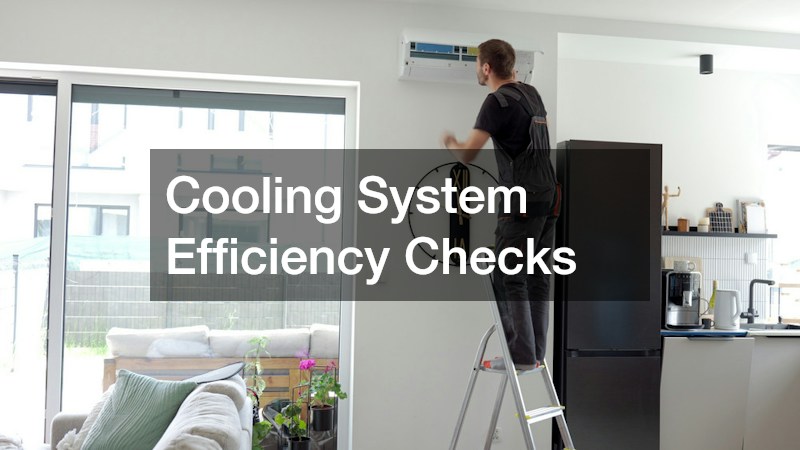
Air conditioning systems work hardest during peak summer months, and small inefficiencies can quietly drive up energy bills without homeowners noticing right away. A unit that’s losing efficiency often shows warning signs weeks before it fails completely: weaker airflow from the vents, warm spots in certain rooms, rattling or grinding noises, or a musty smell when the system cycles on. Scheduling AC repair at the first sign of reduced airflow or strange noises prevents a minor issue from turning into a full system failure during the hottest week of the year. Something as simple as a clogged filter or low refrigerant can force a compressor to work overtime, spiking electricity costs by 10-15% before any obvious symptoms appear. Addressing these issues promptly keeps monthly bills predictable instead of letting them creep upward unnoticed. An annual professional tune-up, ideally scheduled in early spring before temperatures climb, gives technicians a chance to clean coils, check refrigerant levels, and inspect electrical connections before the system is under heavy demand. Pairing that visit with monthly filter changes during peak season is one of the simplest habits homeowners can adopt to keep airflow consistent. Catching problems early also extends the lifespan of the unit, delaying the need for a costly full replacement. A well-maintained AC system can last 12-15 years, while a neglected one may need replacing in half that time, making routine checks a smart long-term investment rather than an added expense.
Choosing the right AC repair company matters just as much as the repair itself. A technician who properly diagnoses the root cause—rather than just swapping parts until the symptom disappears—will prevent repeat service calls and wasted materials. Before hiring anyone, check that they’re licensed, insured, and carry manufacturer certifications for the brand of unit you own. A seasonal efficiency check should cover more than a quick glance at the thermostat. Ask the technician to inspect refrigerant levels, clean the condenser coils, check duct connections for leaks, and test the capacitor and compressor for early signs of wear. Catching a failing capacitor for $150 now is far cheaper than replacing a burned-out compressor for $2,000 later. Request a written estimate before any major AC repair work begins, and make sure it breaks down labor, parts, and any diagnostic fees separately. This makes it easier to compare quotes across companies and spot inflated pricing. Ask about warranties on both labor and parts as well—reputable companies typically offer at least 90 days on labor and one year or more on replacement parts. A solid warranty signals confidence in the work and protects you if the same issue resurfaces within a few months.
- Replace air filters every 30 days during peak cooling season, or every 2 weeks if you have pets or allergy sufferers in the home
- Keep outdoor condenser units clear of debris, leaves, and overgrown vegetation, maintaining at least 2 feet of clearance on all sides for proper airflow
- Have refrigerant levels checked annually, since low levels force the system to run longer and can raise energy bills by 20% or more
- Clean or inspect ductwork every few years to catch leaks that waste conditioned air before it reaches your rooms
- Test your thermostat’s calibration and consider upgrading to a programmable or smart model to avoid cooling an empty house
- Request a seasonal maintenance plan with a licensed HVAC technician to catch worn belts, failing capacitors, or coil buildup before they cause a breakdown
New Roofing Timing and Budgeting Basics
Even with regular inspections and minor repairs, every roof eventually reaches the end of its useful life. Planning for a full roof replacement before major leaks develop gives homeowners more control over timing, contractor selection, and budgeting rather than being forced into a rushed decision during an emergency. Materials like asphalt shingles typically last twenty to twenty-five years, while metal roofing can last much longer with proper care.
Waste reduction plays a role here too, since old roofing materials can often be recycled rather than sent to a landfill, particularly asphalt shingles which are increasingly processed for use in road paving. Asking about recycling options during the planning stage is a simple way to make the project more environmentally responsible.
- Get multiple estimates to compare materials and warranty terms
- Ask about financing options if replacement timing is tight
- Confirm proper disposal or recycling of old roofing materials
- Plan replacement during mild weather seasons when possible
Protecting your property doesn’t require a massive overhaul all at once; it simply requires paying attention to the systems most likely to fail and addressing them before they become emergencies. Each upgrade discussed here, from fencing to flood protection to routine mechanical maintenance, works together to reduce waste and keep seasonal costs predictable. Start by identifying which area of your property feels most vulnerable right now, then build a maintenance calendar so small issues never turn into expensive surprises.