
Owning a home is a dual responsibility: you are both a curator of a personal sanctuary and the chief engineer of a complex machine. The tension between how a home looks and how it performs is a constant negotiation. We are often tempted by the “visual wins”—the marble countertops, the trendy paint palettes, and the lush landscaping—while the invisible systems that keep the structure dry, safe, and efficient languish in the background.
However, the most successful homeowners understand that beauty is fragile without a foundation of functional integrity. A stunning kitchen is of little use if a pipe is leaking behind the drywall, and a grand entryway loses its luster if the driveway leading to it is crumbling. This guide explores how to navigate these competing priorities, ensuring your maintenance budget serves both your desire for a beautiful living space and your need for a sound financial investment.
Establishing a Resilient Foundation and Perimeter
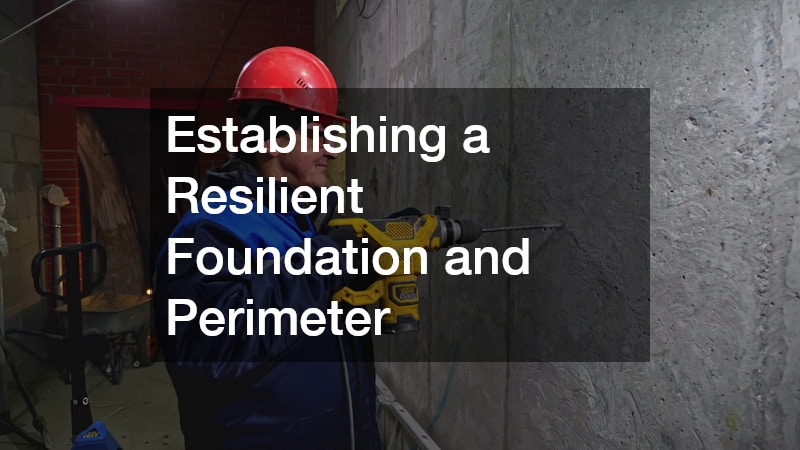
The exterior of your home is its first line of defense. When we think about the “envelope” of a building, we are looking at the barrier that separates your climate-controlled interior from the unpredictable elements outside. Maintenance in this area is often purely functional, but it provides the essential canvas upon which all aesthetic improvements are built.
Protecting the Building Envelope
Water is the primary enemy of structural longevity. Whether it is rising damp from the ground or driving rain from a storm, moisture infiltration can lead to mold, wood rot, and masonry failure. For homes with flat roofs or specific architectural styles, the upper edges of the exterior walls require specialized attention. Investing in professional parapet wall services ensures that these transition points are properly capped and flashed. Without this, water can seep behind the facade, causing invisible damage that eventually manifests as unsightly interior peeling or structural instability.
High-Performance Surfaces for Utility Areas
We often neglect the “working” parts of the home, such as the garage or the basement workshop, viewing them as purely utilitarian. However, these spaces offer a unique opportunity to marry style with extreme durability. Standard concrete is porous, prone to staining, and difficult to clean. By applying epoxy flooring, you create a seamless, non-porous surface that resists chemicals, oils, and heavy impacts. From an aesthetic standpoint, these coatings can be customized with various flakes and colors, turning a dingy garage into a professional-grade showroom that adds significant value to the property.
- Actionable Tip: Inspect your garage floor for “spalling” or dusting. If the concrete is shedding a fine white powder, it is a prime candidate for a high-performance coating.
- Maintenance Priority: Check the flashing on all roof-to-wall transitions once a year, especially after a heavy wind event.
Strategic Exterior Management
Curb appeal is often the primary driver of home value, but it shouldn’t be superficial. True curb appeal comes from the visible evidence that a home is well-cared-for and structurally sound.
Mastering the Flow of Water and Smoke
The systems that move waste—whether it is rainwater or combustion byproducts—are critical to the health of the home. A beautiful chimney adds a classic silhouette to a house, but it is also a complex venting system. Over time, mortar joints erode and flue liners can crack. Timely chimney repair is essential not just for the look of the home, but to prevent carbon monoxide risks and house fires.
Similarly, the management of runoff is a “hidden” beauty factor. Overflowing gutters create streaks on your siding and wash away expensive landscaping. Prioritizing gutter repair ensures that water is channeled safely to downspouts, protecting your flower beds and preventing the foundation saturation that leads to basement leaks.
Ground-Level Maintenance for Longevity
The approach to your home sets the tone for the entire property. A cracked, greyed-out driveway instantly ages a house, regardless of how new the siding might be. Beyond the visual aspect, cracks in pavement allow water to reach the sub-base, leading to potholes and total failure. Engaging with professional asphalt services for regular sealcoating and crack filling can double the lifespan of your driveway. It provides that deep, jet-black finish that makes the colors of your home pop while providing a smooth, functional surface for vehicles.
- Specific Task: Clear your downspouts and check the pitch of your gutters. If water pools in the middle of a run, the hangers likely need adjustment to prevent sagging.
- Winter Readiness: Before the first freeze, ensure all masonry gaps are filled. Frozen water expands, turning tiny cracks into major structural issues.
Integrating Beauty and Utility Indoors
Interior maintenance is where the “form vs. function” debate becomes most personal. We want our floors to be soft and warm, our walls to be the perfect shade, and our fixtures to be elegant. But the most beautiful interior is a liability if the “guts” of the house are failing.
High-Traffic Flooring Solutions
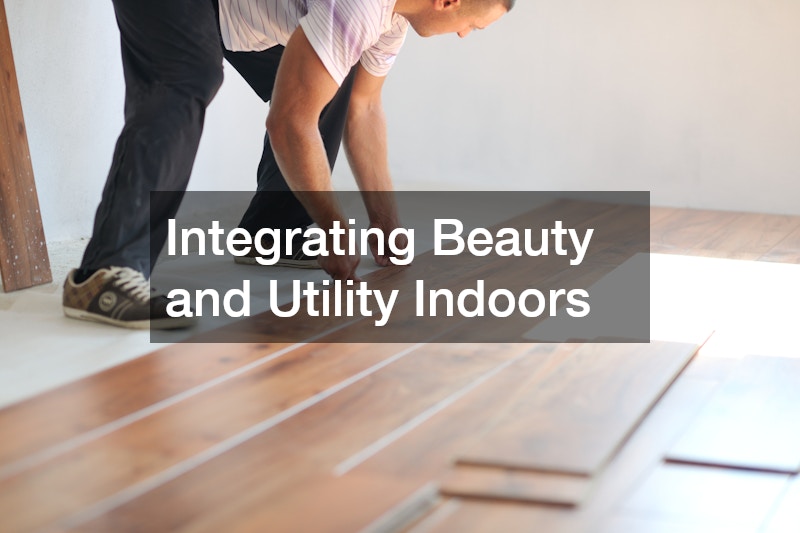
Flooring is one of the largest visual elements in a home, and it takes the most abuse. While traditional hardwoods are coveted, they are notoriously sensitive to moisture. In kitchens, bathrooms, and entryways, the trend has shifted toward waterproof wood flooring. These modern materials offer the authentic grain and texture of oak or hickory but are constructed to withstand spills and humidity without warping. This allows for a cohesive aesthetic throughout the home without the constant anxiety of water damage.
The Infrastructure of Comfort
It is easy to get excited about a new vanity or a high-end kitchen faucet, but the pipes they are connected to are what truly matter. Modernizing your plumbing is a foundational task that should precede any major cosmetic renovation. Old galvanized pipes or aging copper can lead to low pressure or, worse, pinhole leaks that destroy your new flooring and cabinetry from the inside out.
- When to Upgrade: If your home was built before the 1980s and still has original pipes, consider a partial or total repipe before installing expensive permanent fixtures.
- The “Click” Test: When choosing resilient flooring, look for “click-lock” systems with integrated underlayments. This provides better sound dampening and a more “solid” feel underfoot, mimicking the density of traditional wood.
Professional Oversight and Structural Changes
While the DIY movement has empowered homeowners, there is a distinct line where professional intervention becomes a financial necessity. Maintenance isn’t just about fixing things that are broken; it’s about having a vision for the property’s evolution.
Navigating Large-Scale Renovations
When your maintenance needs evolve into full-scale improvements—such as knocking down walls or adding an extension—you need a partner who understands both the aesthetic vision and the local building codes. Utilizing reputable home construction services ensures that your “open concept” dream doesn’t compromise the load-bearing integrity of your roof. A professional contractor can help you decide where to spend (on structural safety) and where to save (on finishings).
Choosing Specialized Experts
There are times when a generalist isn’t enough. For specific structural or exterior needs, hiring a specialist can save thousands in the long run. Whether it is a complex roof drainage issue or a specialized masonry project, getting the right expertise at the right time is the hallmark of a savvy homeowner.
- Actionable Tip: Always ask for a “scope of work” that separates labor from materials. This allows you to see exactly how much you are investing in the quality of the components versus the expertise of the installation.
The Balance of Leisure and Durability
The modern home extends well beyond the back door. The “outdoor room” has become a staple of modern living, but it is also the area most exposed to the ravages of nature.
Engineering the Perfect View
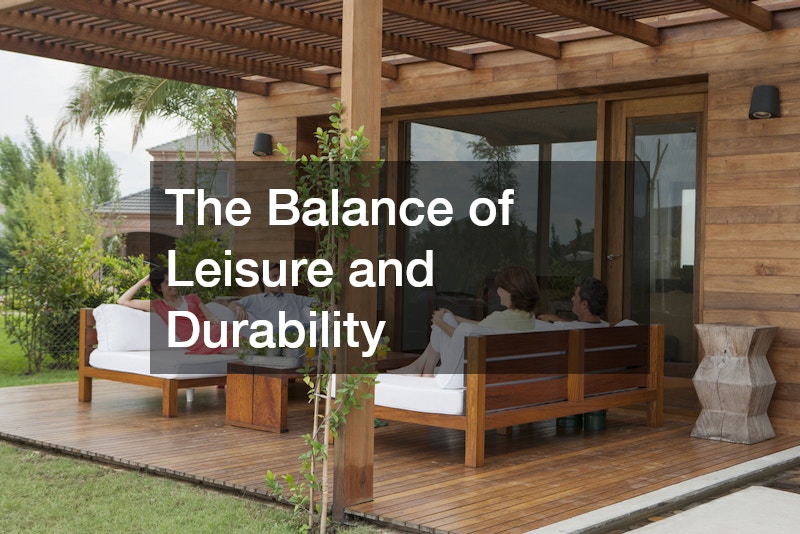
A backyard deck is the ultimate lifestyle upgrade, but it is also a significant maintenance burden if not built correctly. Because decks are elevated and exposed to constant UV rays and moisture, they require specialized engineering. Working with experienced deck contractors is vital to ensure that the ledger boards are flashed correctly and the footings are deep enough to prevent shifting. A well-built deck provides a beautiful transition to the outdoors while remaining a safe, level surface for decades.
Boundaries and Beauty
Fencing is often seen purely as a way to mark property lines or provide privacy for the kids and pets. However, the choice of material significantly impacts your long-term maintenance schedule. While wood fences are traditional, they are prone to rot, warping, and insect damage. A vinyl fence offers a sophisticated, clean look that never needs painting or staining. It serves the functional purpose of security and the aesthetic purpose of a “always-new” appearance with nothing more than an occasional wash with a garden hose.
- Maintenance Hack: Use a power washer on its lowest setting to clean synthetic fencing once a year. This prevents the buildup of environmental “biofilm” or algae that can dull the finish.
- Deck Safety: Check for “soft spots” in your outdoor wood annually. If a screwdriver can easily penetrate the wood, rot has set in and needs immediate professional attention.
The Financial Logic of Proactive Maintenance
To truly weigh aesthetics and function, one must look at the Return on Investment (ROI). Maintenance projects generally fall into two categories: those that increase value and those that preserve value.
The Value Preservation (Functional)
These are the “unsexy” projects. Fixing a leak, cleaning the furnace, or repairing the roof. While these don’t necessarily jump the asking price of a home by 20%, they prevent the price from dropping. A buyer will expect a functional roof; they won’t pay extra for it, but they will certainly demand a massive discount if it’s failing.
The Value Addition (Aesthetic)
These are the projects that trigger an emotional response. High-end flooring, custom cabinetry, and professional landscaping. These projects “sell” the home. However, if these are done at the expense of the functional items, the “inspection phase” of a home sale will likely sink the deal.
The 70/30 Rule of Home Budgeting
A helpful framework for homeowners is to allocate 70% of their annual maintenance budget to functional “must-haves” and 30% to aesthetic “wants.” Over a decade, this ensures the home remains structurally perfect while gradually evolving into a more beautiful space.
Creating a Seasonal Maintenance Cadence
To prevent maintenance from becoming overwhelming, it must be broken down into manageable bites. This prevents the “maintenance debt” that leads to homeowners choosing between a functional repair and an aesthetic upgrade because they can no longer afford both.
Spring: The Great Inspection
- Exterior Walkaround: Look for cracks in the driveway and the foundation.
- Roof and Gutters: Clear the debris from winter storms and check for loose shingles.
- Landscaping: Prune trees away from the house to prevent branches from scratching the siding or providing a bridge for pests.
Summer: The Season of Projects
- Exterior Painting and Staining: This is the time for “aesthetic wins” that also protect the wood.
- Outdoor Construction: Build that deck or install that new fencing while the ground is dry and stable.
- Driveway Care: Apply sealants and fill cracks during the warmest months for the best adhesion.
Autumn: Battening Down the Hatches
- Heating Systems: Get the chimney and furnace serviced before the cold sets in.
- Seal the Envelope: Check weatherstripping around doors and windows.
- Drainage: Ensure the yard is graded so that autumn rains flow away from the house.
Winter: Interior Focus
- Flooring Upgrades: Winter is a great time for indoor projects like laying new resilient flooring.
- Internal Systems: Focus on plumbing and electrical updates that don’t require the windows to be open.
The secret to a high-value, high-joy home is not choosing between aesthetics and function, but finding the points where they intersect. When you choose materials and services that offer both, you are practicing a sophisticated form of home stewardship. An epoxy-coated garage floor is both beautiful and tough. A well-maintained chimney is both a cozy focal point and a safe exhaust. A modern, waterproof floor is both a designer’s dream and a parent’s relief.
By prioritizing the “bones” of the house while keeping an eye on the “skin,” you ensure that your home remains a source of pride rather than a source of stress. True luxury is the peace of mind that comes from knowing that everything you see is beautiful—and everything you can’t see is working exactly as it should. Maintenance is not a chore; it is the act of preserving the sanctuary you’ve worked so hard to build.