
Determining if it’s time to replace your roof can be a daunting task for homeowners. Various signs and factors play a crucial role in making this important decision. This article will guide you through essential considerations and frequently asked questions regarding roof replacement. Whether it’s due to concerns about the roof’s age or visible damage, making a well-informed choice ensures the safety and value of your home. A thorough understanding of the signs can prevent potential issues from escalating into more serious problems.
What are the tell-tale signs your roof needs replacement?
The typical lifespan of a roof depends on the material. Asphalt shingles, one of the most common roofing materials, often last between 20 and 25 years. In contrast, metal roofs can endure 40 to 60 years, offering longer service life with proper maintenance. When a roof approaches the end of its lifespan, even well-maintained structures may begin to show signs of wear that necessitate replacement. Evaluating the age of the roof is a practical starting point in assessing the necessity for a new installation.
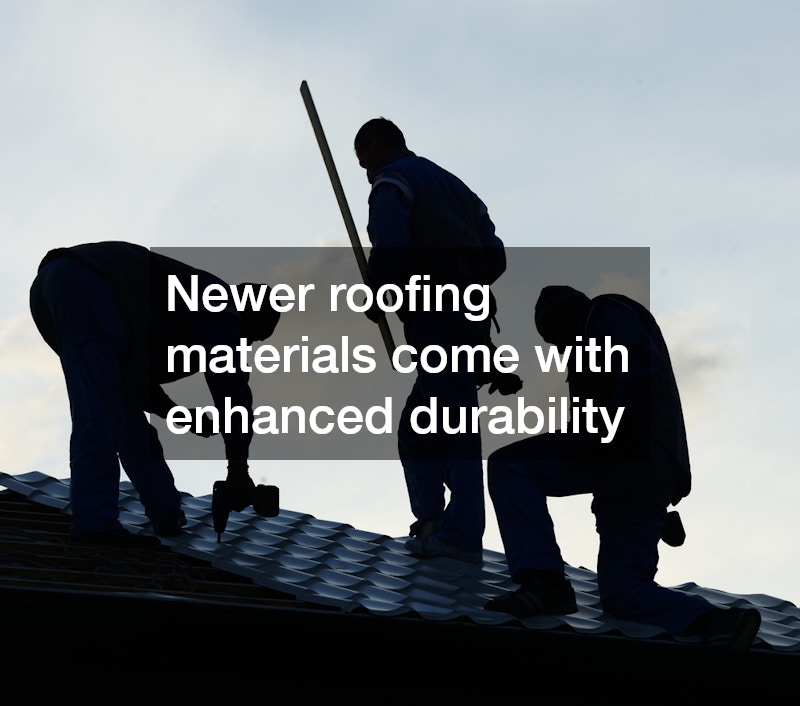
Newer roofing materials come with enhanced durability and improved resistance to environmental factors. Roofs that have exceeded their expected years may start displaying subtle or obvious signs of degradation. This is a key factor to consider, especially in older homes or properties that haven’t had recent inspections. Regular checks can help preempt major issues that arise from aging roofs. It’s essential to compare the roof’s age with its material-specific lifespan to determine whether replacing or repairing is more financially viable.
Cracks, warping or visible daylight through the roof’s boards are notable red flags. Homeowners witnessing such issues should consider consultation with a roofing expert to gauge the extent of damage. Subtle changes in the roof can escalate into widespread problems if left unchecked. Quick interventions can not only save costs but also prevent potential hazards from developing. This vigilance protects both the property and the occupants from unexpected failures.
Sustained visual damage suggests underlying issues that may not always be immediately visible. Water stains inside the home can hint at unseen leaks, while roofing material residues in gutters may indicate deterioration. Ignoring these signs can lead to severe water damage, mold growth, and compromised insulation. By catching the visible damage early, homeowners can plan necessary repairs or replacements before the weather exacerbates the problems. Consistent monitoring and maintenance are key to mitigating visible roof damage and its associated risks.
How does the weather impact the longevity of your roof?
Weather conditions such as heavy rain, snow, and strong winds can significantly affect the durability of your roof. Different roofing materials respond variably to environmental stressors, with asphalt and wood being more susceptible to moisture. Roofs exposed to frequent harsh weather conditions may suffer accelerated aging and damage. Understanding local climate patterns helps homeowners anticipate and plan for roof maintenance or replacement. It’s crucial to select roofing materials best suited to withstand specific regional weather impacts.
Severe weather events can have both immediate and long-term effects on roofing structures. Wind uplift might loosen shingles while moisture intrusion sets the stage for mold and rotting. During colder spells, snow accumulation adds weight strain that could lead to structural damage if not managed. Well-engineered roofs incorporate both weather-resilient materials and robust design to better withstand these conditions. Proactive homeowners consider how their environment influences the longevity of their roof as part of regular home maintenance.
In regions prone to wild temperature fluctuations, roofing materials expand repeatedly, leading to fatigue and eventual failure. This phenomenon takes a toll on the performance of sealing and joining elements critical to roof integrity. By aligning maintenance protocols with weather patterns, homeowners can significantly prolong their roof’s lifespan. Keeping abreast of local weather trends aids in planning protective measures like added insulation or reinforcing weak points. These preparations foster long-term roof durability amid unpredictable weather conditions.
What are the financial and long-term benefits of replacing your roof?
Beyond the immediate costs involved, learn about how a new roof can provide long-term savings, improve energy efficiency, and increase the value of your home. Investing in a quality replacement often pays dividends through reduced repair costs and heightened property value. Enhanced insulation afforded by modern roofing materials contributes to lower energy bills by maintaining the indoor climate. This energy efficiency is increasingly valued in homes as energy costs rise. Updating a roof aligns a property with contemporary standards and innovations, amplifying both its practical and market appeal.
Getting a new roof is a significant investment that requires careful consideration of various factors. By understanding visible damage, the impact of roof age, and other influential elements, homeowners can make informed decisions on when to replace their roofs and ensure the safety and efficiency of their homes. It is crucial to factor in local climate conditions and the monetary benefits a new roof can bring. Making a well-calculated renovation choice protects against impending weather adversities and aligns with strategic home value enhancement. The decision to replace a roof should be one grounded in a comprehensive evaluation and anticipation of future benefits.