
A clogged sewer line is more than an inconvenience—it can lead to costly repairs, property damage, and serious health hazards if left unaddressed. Recognizing the early signs of a blockage allows homeowners to act quickly, prevent extensive damage, and maintain a functional plumbing system. This article explores common indicators of a clogged sewer line, the typical causes, and effective steps for resolution.
How Can You Tell If Your Sewer Line is Clogged?
Sewer line clogs often affect multiple areas of the home simultaneously. One common warning sign is slow drains. When multiple fixtures, such as sinks, tubs, or toilets, drain more slowly than usual, it may indicate a blockage in the main sewer line rather than a single drain. Foul odors are another indicator, often noticeable in drains or even in the yard, suggesting that sewage is backing up or escaping from a damaged line. Water backup in toilets, tubs, or floor drains is a critical warning sign of a severe blockage that requires immediate attention. Additionally, gurgling sounds coming from toilets or drains can signal trapped air caused by an obstructed sewer line.
It is important to distinguish between a standard drain clog and a sewer line clog to ensure proper treatment. Drain clogs are typically localized, affecting only a single sink, shower, or toilet. These clogs are usually caused by hair, soap, or small debris. Sewer line clogs, on the other hand, affect the main pipeline that connects the home to the municipal sewer system or septic tank. When multiple drains show simultaneous issues, symptoms are more severe, including water backups and foul odors outside the home. Correctly identifying the type of clog helps prevent unnecessary plumbing costs and ensures the issue is addressed effectively.
Plumbing professionals use a variety of tools to confirm a sewer line blockage. Video camera inspections involve inserting a small, waterproof camera into the sewer line to locate blockages and assess pipe conditions. Hydro jetting uses high-pressure water streams to both clear and inspect the line. Sewer snakes and augers physically break up or remove blockages in accessible sections of the pipe. Smoke or dye tests can trace the path of sewer lines to detect leaks or obstructions. While some DIY methods can help identify minor issues, professional diagnostic tools are often necessary to pinpoint serious sewer line problems.
What are the Most Common Causes of Sewer Line Clogs?
Tree roots naturally seek moisture, and sewer lines provide an ideal source. Over time, roots can grow into cracks or joints in pipes, creating significant blockages. Once inside, roots form dense mats that trap debris, causing recurring backups. Homeowners can reduce the risk of root intrusion by planting trees away from sewer lines and scheduling regular inspections.
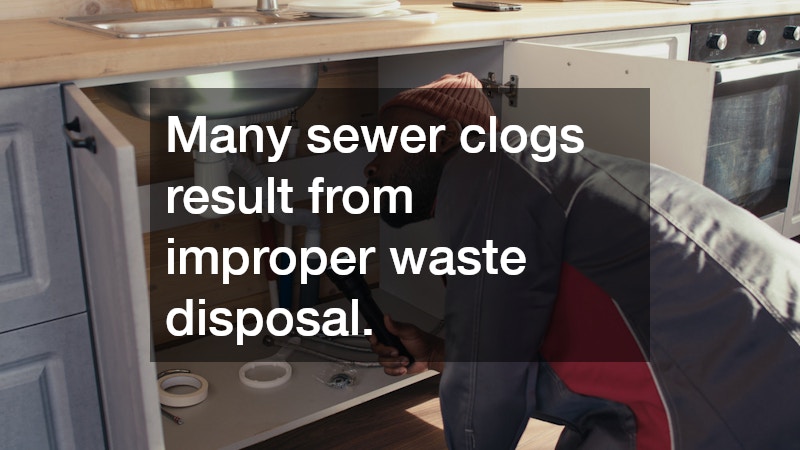
Many sewer clogs result from improper waste disposal. Pouring grease down the sink, flushing non-degradable items, or allowing food scraps to enter drains can lead to hardened buildup inside pipes. Over months or years, this accumulation restricts water flow and eventually causes complete blockages. Regular maintenance and mindful disposal practices are key to preventing these issues.
Sewer pipes can fail due to age, shifting soil, heavy loads, or poor installation. Cracks, corrosion, or collapsed sections create obstructions that prevent wastewater from flowing properly. Structural damage may also allow infiltration of roots or soil, compounding the blockage. Understanding your home’s plumbing layout and maintaining pipes can prevent costly structural failures.
What Steps Should You Take to Resolve a Clogged Sewer Line?
While serious clogs require professional intervention, there are steps homeowners can take to prevent or temporarily alleviate blockages. Using a plunger or hand auger can be effective for minor backups in toilets or sinks. Enzyme-based drain cleaners help break down organic waste safely without harming pipes. Periodically flushing drains with hot water and avoiding grease or foreign objects reduces the risk of buildup. Routine sewer line inspections can detect early signs of root intrusion or pipe damage. These strategies are preventive and may handle small issues but are not substitutes for professional repair when the main line is affected.
Immediate professional assistance is necessary when multiple drains are slow or backing up simultaneously, raw sewage is present in the home, or DIY methods fail to resolve persistent clogs. Homeowners should also call a plumber if foul odors persist despite cleaning drains. Plumbers have specialized tools and expertise to safely diagnose, remove, and repair sewer line blockages without causing further damage.
Selecting a reputable plumbing service ensures long-term resolution. It is important to verify the company’s experience and certifications in sewer line inspection and repair. Using advanced tools such as video inspections, hydro jetting, and trenchless repair methods ensures efficient solutions. Clear estimates and transparent pricing protect homeowners from unexpected costs. Reading customer reviews can also help identify reliable and high-quality services. A trusted professional can provide preventive advice to minimize future issues, saving time and money.
Understanding the signs of a clogged sewer line, from slow drains to foul odors, empowers homeowners to act before minor issues escalate. Knowing the common causes, including tree roots, grease buildup, and pipe damage, helps prevent blockages from forming. Whether employing DIY maintenance or hiring a professional, timely action ensures a functional plumbing system, avoids costly repairs, and protects the health and safety of the home.