
Your roof quietly protects everything beneath it—your family, your belongings, and the structural integrity of your home. Yet, it’s one of the most overlooked parts of a property until something goes wrong. The truth is, most major roof problems don’t happen overnight. They build slowly from small, preventable issues that go unnoticed or ignored.
Routine maintenance is the difference between a minor fix and a major expense. A small crack, a loose shingle, or a clogged drainage path may not seem urgent today, but over time, these can lead to water damage, mold, insulation issues, and even structural failure.
This guide walks you through practical, actionable steps to keep your roof in top shape year-round—saving you money, stress, and unexpected repairs.
Start with Regular Visual Inspections from the Ground
Routine inspections are your first line of defense when it comes to protecting your roofing system. Many homeowners assume they need to climb onto the roof to spot problems, but that’s not the case. Regularly checking your roof allows you to catch minor issues early before they develop into more serious concerns.
What to Look For
- Missing, curled, or cracked shingles
- Dark streaks or discoloration
- Sagging areas or uneven roof lines
- Debris buildup in valleys
- Flashing that appears loose or damaged
Using binoculars can help you get a closer look without risking injury. If you’re comfortable with technology, a drone can provide a more detailed view of hard-to-see areas. These tools allow you to monitor changes over time and identify patterns that might indicate deeper issues. Even small visual changes can be early warning signs that shouldn’t be ignored.
When to Call Professionals
There are times when a trained eye is necessary to properly evaluate your roof. Experienced roofers can identify subtle issues that may not be obvious to homeowners. If you notice anything unusual or if it has been more than a year since your last inspection, scheduling professional roofing services is a smart move. Experts can provide a thorough assessment and recommend preventative measures before problems escalate.
Keep Gutters Clear to Prevent Water Backup
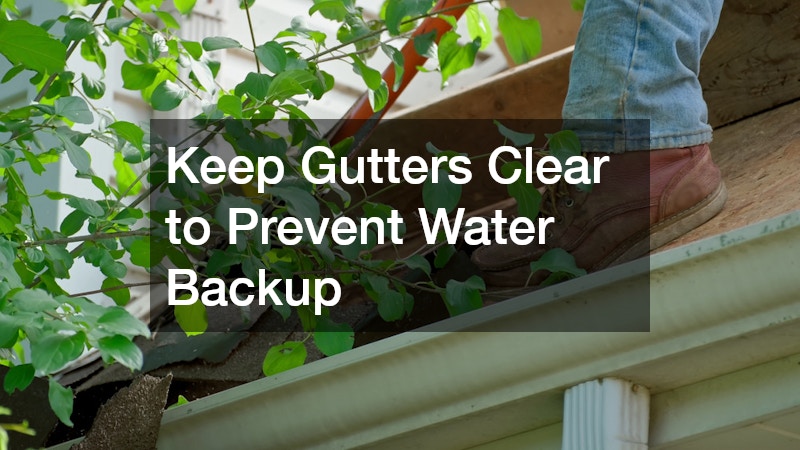
Water management plays a crucial role in maintaining the integrity of your roof and home. Gutters are designed to channel water away, but when they become clogged, that system quickly breaks down. Leaves, twigs, and debris can accumulate faster than expected, especially during seasonal changes. When water has nowhere to go, it begins to overflow and seep into vulnerable areas.
Why Clean Gutters Matter
Clogged gutters can cause:
- Water overflows onto the fascia and siding
- Ice dams during colder months
- Soil erosion around your foundation
- Interior leaks due to standing water
Maintenance Tips
- Clean gutters at least twice a year (spring and fall)
- Remove leaves, twigs, and debris regularly
- Check for sagging or detached sections
- Ensure downspouts direct water away from your home
When to Upgrade
If your current setup constantly struggles to keep up, it may be time to consider improvements. Modern gutter installations are designed to handle higher volumes of water and reduce the likelihood of clogs. Investing in routine gutter service can also extend the life of your system and prevent recurring issues. Upgrading doesn’t just improve performance—it adds another layer of protection to your entire home.
Address Small Leaks Before They Spread
A small leak may not seem like a major concern at first, but it can quickly turn into a serious problem. Water has a way of traveling through materials, often causing damage far from the original source. What starts as a minor drip can lead to widespread moisture issues, affecting insulation, drywall, and even electrical systems. The longer a leak goes untreated, the more expensive and complicated the repairs become. Identifying and addressing leaks early is essential to protecting your home’s structure.
Warning Signs of a Leak
- Water stains on ceilings or walls
- Musty odors in attic spaces
- Peeling paint or bubbling drywall
- Damp insulation
Why Quick Action Matters
A minor leak can quickly escalate into:
- Mold growth
- Rotting wood structures
- Electrical hazards
- Expensive interior repairs
When to Call Experts
While temporary fixes may provide short-term relief, they rarely solve the underlying issue. Professional leaky roof repair services can locate the exact source and ensure the problem is fully resolved. A trusted roof repair service will also check for hidden damage that may not be immediately visible. Taking this step early can prevent the need for more extensive repairs later on. It’s an investment in both safety and long-term savings.
Replace Damaged Shingles Promptly to Avoid Bigger Issues
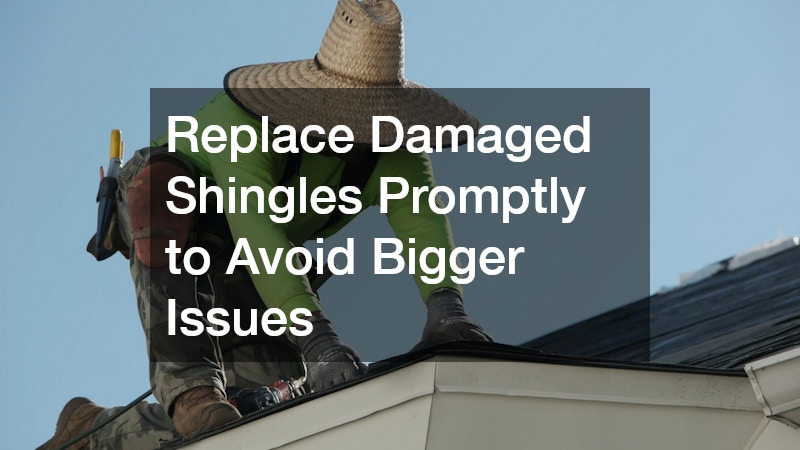
Shingles serve as the outermost layer of protection for your roof, shielding it from rain, wind, and sunlight. Over time, these materials can become worn or damaged due to environmental exposure. When shingles are compromised, they allow moisture to penetrate deeper layers, increasing the risk of structural damage. Ignoring damaged shingles can lead to a chain reaction of problems that extend far beyond the surface.
Common Causes of Damage
- Strong winds lifting or tearing shingles
- Hail impacts cause cracks
- Natural aging and wear
- Poor initial installation
Why Timing Matters
Delaying shingle replacement allows water to penetrate deeper layers, leading to:
- Decking damage
- Insulation issues
- Increased repair costs
What to Do
After severe weather, it’s important to inspect your roof for visible damage. If you notice missing or compromised shingles, taking action right away can prevent further deterioration. Professional roofing services can ensure proper installation and sealing, reducing the risk of recurring problems. Addressing these issues promptly helps maintain a strong and reliable roofing system.
Reinforce Your Roof to Withstand Severe Weather
Extreme weather events can put significant stress on your roof, especially if it hasn’t been reinforced. High winds, heavy rain, and hail can expose weaknesses that might not be noticeable during normal conditions. Strengthening your roof is one of the most effective ways to protect your home from unexpected damage. Investing in upgrades not only improves durability but also provides peace of mind during storm seasons.
What Reinforcement Involves
A fortified roof system may include:
- Enhanced sealing techniques
- Stronger materials
- Improved attachment methods
- Impact-resistant components
Benefits of Upgrading
- Better protection against wind and hail
- Reduced risk of leaks during storms
- Potential insurance savings
- Increased property value
Long-Term Value
Upgrading your roofing structure isn’t just about immediate protection—it’s a long-term investment. A fortified roof system can extend the lifespan of your roof and reduce maintenance needs over time. These improvements also enhance overall home resilience, making your property better equipped to handle future challenges. The upfront cost is often outweighed by the savings and protection it provides.

Maintain Flat or Low-Slope Roofs the Right Way
Flat and low-slope roofs require specialized care because they handle water differently than traditional pitched roofs. Instead of shedding water quickly, these surfaces are more prone to pooling and slow drainage. This makes them especially vulnerable to leaks and material degradation over time. Without proper maintenance, even minor issues can quickly escalate into significant problems. Regular inspections and upkeep are essential for preserving the performance of these roofing systems.
Common Issues
- Water pooling due to poor drainage
- Surface cracks or blistering
- UV damage over time
Maintenance Tips
- Inspect for standing water after rain
- Keep surfaces clean and debris-free
- Check seams and edges regularly
Repair Considerations
When damage occurs, addressing it quickly is essential. Foam roof repair can restore protective coatings and prevent further deterioration. In cases where the damage is more extensive, a professional roof repair service may be necessary to fully resolve the issue. Staying on top of maintenance ensures your roof continues to function properly and avoids costly replacements.
Schedule Seasonal Professional Maintenance Checks
Even with regular at-home inspections, professional evaluations play a critical role in long-term roof care. Experts bring experience, tools, and knowledge that allow them to identify hidden issues that might otherwise go unnoticed. Seasonal maintenance checks ensure your roof is prepared for changing weather conditions throughout the year. These inspections can uncover small problems before they develop into major concerns.
What Professionals Check
- Structural integrity
- Flashing and sealants
- Ventilation systems
- Hidden moisture damage
Recommended Schedule
- Spring: Check for winter damage
- Fall: Prepare for colder weather
- After major storms: Immediate inspection
Choosing the Right Expert
Working with experienced roofers ensures that inspections and repairs are handled correctly. Reliable roofing services will provide detailed assessments and clear recommendations. Look for professionals with strong reputations, proper licensing, and transparent pricing. Building a relationship with a trusted expert makes ongoing maintenance easier and more effective.
Ensure Proper Water Drainage Around Your Home
Proper drainage is essential for protecting both your roof and your home’s foundation. When water is not directed away efficiently, it can accumulate in areas where it causes damage over time. Poor drainage can lead to leaks, soil erosion, and even structural instability if left unchecked. Ensuring that water flows away from your home reduces the risk of long-term issues.
Key Considerations
- Downspouts should extend several feet from your home
- Landscaping should slope away from the structure
- Drainage systems should be free of blockages
Signs of Poor Drainage
- Water is pooling near the foundation
- Soil erosion
- Basement moisture
Improving Your System
Upgrading gutter installations and maintaining consistent gutter service can significantly improve drainage performance. These improvements help ensure that water is effectively diverted away from your home. A well-maintained system not only protects your roof but also preserves the integrity of your entire property. Regular attention to drainage keeps everything functioning as it should.
Know When Repairs Aren’t Enough Anymore
Over time, every roof reaches a point where repairs alone are no longer sufficient. While routine maintenance can extend its lifespan, there comes a stage when ongoing fixes become less effective and more costly. Recognizing these signs early allows you to make informed decisions about the future of your roof. Ignoring them can lead to repeated issues and mounting expenses.
Warning Signs
- Frequent leaks despite repairs
- Widespread shingle damage
- Sagging roof structure
- Roof age exceeding expected lifespan
Repair vs. Replacement
While shingle replacement can address localized damage, it may not be enough for widespread issues. Repeated reliance on leaky roof repair services can indicate deeper structural problems. In these cases, continuing to patch the roof may only delay the inevitable. A full assessment can help determine the most cost-effective solution.
Making the Right Decision
Consulting with professionals provides clarity on whether repair or replacement is the better option. They can evaluate the condition of your roof and recommend the best course of action based on your needs and budget. Making an informed decision helps you avoid unnecessary expenses and ensures long-term protection for your home.
Build a Preventive Maintenance Routine That Saves Money
Creating a consistent maintenance routine is one of the most effective ways to protect your roof and avoid costly repairs. Instead of reacting to problems as they arise, a preventative approach allows you to stay ahead of potential issues. This not only extends the lifespan of your roof but also helps maintain the overall value of your home. Regular upkeep reduces the likelihood of unexpected damage.
Create a Yearly Checklist
- Inspect the roof and exterior twice a year
- Clean gutters regularly
- Check the attic for signs of moisture
- Schedule professional inspections
Budget for Maintenance
Setting aside a small budget for routine care can make a big difference over time. Addressing minor issues early prevents them from turning into major expenses. Planning ahead allows you to manage costs more effectively and avoid financial surprises. Even small investments in maintenance can lead to significant savings.
Combine Maintenance with Upgrades
Incorporating improvements like a fortified roof system or addressing issues early with foam roof repair can enhance durability. These upgrades work alongside routine maintenance to provide long-term protection. Staying proactive ensures your roof remains strong, reliable, and ready to handle whatever comes its way.
Protect Your Home with Consistent Roof Care
Taking care of your roof doesn’t have to be complicated, but it does require consistency and attention. By staying proactive with inspections, maintenance, and timely repairs, you can prevent small issues from turning into major problems. Every step you take to care for your roof contributes to the safety and longevity of your home.
A well-maintained roof not only protects your property but also provides peace of mind. When you invest in routine care, you’re investing in the long-term health of your home. With the right approach, you can avoid costly surprises and ensure your roof continues to perform reliably for years to come.