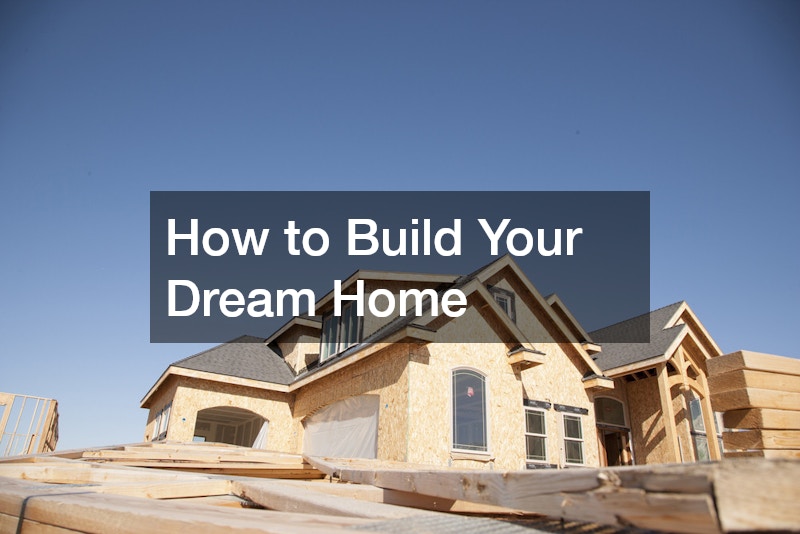

Building your dream home is an exciting adventure that requires careful planning, creativity, and attention to detail. It’s more than just constructing a structure: it’s about creating a space that reflects your personality, supports your lifestyle, and provides long-term comfort. From the initial concept to the final walkthrough, every step plays a crucial role in shaping the outcome. This guide walks you through the essential stages of building your dream home so you can turn your vision into reality with confidence.
What Are the First Steps in Building a Dream Home?
Clarifying Your Vision
The journey begins with a clear vision. Before you meet with designers or contractors, take time to define what your dream home looks like.
Consider the number of bedrooms and bathrooms, layout preferences, storage needs, and must-have features such as a home office, outdoor living space, or energy-efficient systems.
Equally important is identifying your personal style. Whether you lean toward modern minimalism, traditional charm, or a blend of both, having a defined aesthetic will guide your decisions throughout the process. Creating mood boards or saving inspiration photos can help communicate your ideas more effectively to professionals.
Setting a Budget
A well-defined budget is the backbone of any successful home-building project. Determine how much you can realistically afford, including construction costs, permits, land purchase, and unexpected expenses. It’s wise to set aside a contingency fund (typically 10–15% of your total budget) to cover surprises that may arise during construction.
Consulting financial advisors or lenders can help you understand your financing options, such as construction loans or mortgages. Keeping your budget in mind at every stage ensures that your dream home remains financially sustainable.
Finding the Right Location
Location is one of the most critical factors in building your dream home. Consider proximity to work, schools, healthcare facilities, and amenities. Evaluate the neighborhood’s safety, future development plans, and overall vibe.
The characteristics of the land itself are equally important. Soil quality, topography, drainage, and zoning regulations can impact both design and cost. Choosing the right location sets the foundation for long-term satisfaction and can significantly influence your property’s value.
How to Choose the Best Design for Your Home
Understanding Architectural Styles
Exploring architectural styles is an exciting part of the design process. From contemporary and mid-century modern to colonial and farmhouse designs, each style offers unique features and aesthetics.
Think about how each style aligns with your lifestyle. For instance, open floor plans are ideal for entertaining, while more traditional layouts may provide greater privacy. Understanding these distinctions will help you choose a design that not only looks appealing but also functions well for your daily life.
Custom vs. Prefabricated Designs
One of the major decisions you’ll face is whether to opt for a custom-built home or a prefabricated design. Custom homes offer complete flexibility, allowing you to tailor every detail to your preferences. However, they often require more time and a higher budget.
Prefabricated homes, on the other hand, are typically faster to build and more cost-effective. They come with predefined layouts and limited customization options, but can still deliver quality and style. Weighing the pros and cons of each approach will help you determine which option best suits your needs and resources.
Working with an Architect
An experienced architect can turn your ideas into a functional and visually appealing design. They’ll help you optimize space, ensure structural integrity, and comply with local building codes.
Collaboration is key. Share your vision, preferences, and budget openly so the architect can create plans that align with your expectations. Detailed blueprints and 3D renderings can give you a clear picture of the outcome before construction begins, reducing the likelihood of costly changes later.
What Are Key Considerations During Construction?
Hiring the Right Contractors
Choosing the right professionals is essential for a successful build. Take time to research and compare contractors, checking references, credentials, and past projects. Many homeowners work with reputable home building companies that offer comprehensive services, from project management to construction.
Clear communication and a well-defined contract are crucial. Ensure that timelines, costs, and responsibilities are outlined in detail to avoid misunderstandings. A skilled and reliable team will help bring your vision to life with quality craftsmanship.
Managing the Build Process
Even with a trusted team in place, staying involved in the construction process is important. Regular site visits and progress meetings allow you to monitor the work, address issues early, and ensure everything aligns with your expectations.
Keep track of timelines and budgets, and be prepared to make decisions promptly to avoid delays. Flexibility is also important, as unexpected challenges can arise. Staying proactive and engaged helps keep the project on track.
Sustainable Building Practices
Incorporating sustainable features into your home is a smart investment for both the environment and your wallet. Energy-efficient windows, solar panels, high-quality insulation, and eco-friendly materials can significantly reduce energy consumption and utility costs.
Sustainable design also enhances comfort and indoor air quality. As environmental awareness grows, homes with green features often have higher resale value, making sustainability a worthwhile consideration during construction.
Completing the construction of your dream home is a significant achievement and a deeply rewarding experience. By carefully planning your vision, setting a realistic budget, choosing the right design, and working with skilled professionals, you can create a home that truly reflects your aspirations.
While the process may seem complex, each step brings you closer to a space that is uniquely yours. With thoughtful decisions and attention to detail, your dream home can become a lasting sanctuary where you and your family will create memories for years to come.