

Owning a home comes with pride, comfort, and long-term responsibility. While many homeowners focus on upgrades and aesthetics, consistent home care maintenance is what truly protects a property over time. From mechanical systems to structural components, every part of a home requires routine attention to function properly and avoid unexpected costs. Ignoring maintenance can lead to small issues becoming major repairs, often at the worst possible moment.
A thoughtful approach to home care maintenance helps homeowners stay ahead of wear and tear while improving efficiency, safety, and comfort. Whether it involves scheduling Heating repair, keeping drainage systems clear, or monitoring indoor air quality, proactive habits reduce stress and preserve value. Reliable HVAC companies, experienced roofers, and qualified door services providers all play a role in maintaining a well-functioning home when professional expertise is needed.
This guide walks through essential maintenance areas every homeowner should understand. It covers indoor systems, exterior upkeep, seasonal planning, and practical routines that support long-term performance. By learning what to watch for and when to act, homeowners can build a realistic maintenance strategy that fits their lifestyle. With consistent home care maintenance, your home remains dependable, efficient, and comfortable year after year.
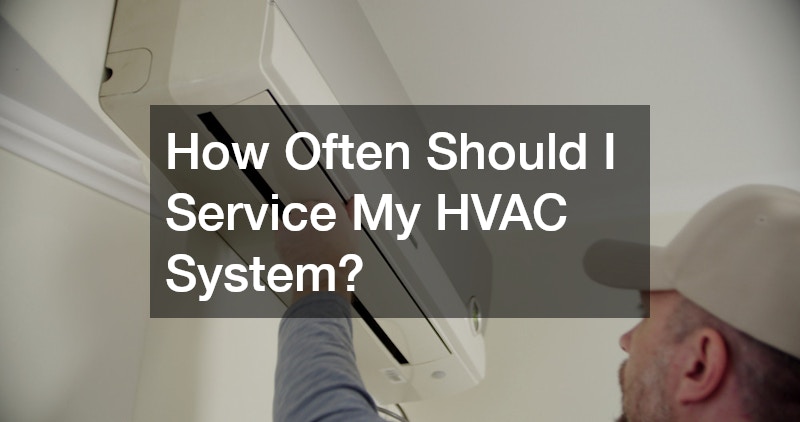
How Often Should I Service My HVAC System?
Importance Of Regular Maintenance
Regular HVAC servicing is one of the most important components of effective home care maintenance. Heating and cooling systems operate almost year-round, and without routine checkups, efficiency can decline rapidly. Annual servicing helps ensure systems are running smoothly, consuming less energy, and maintaining consistent indoor temperatures. Well-maintained systems are also less likely to experience sudden breakdowns during extreme weather.
Professional inspections allow technicians to identify worn components, airflow issues, or performance inefficiencies early. Many homeowners rely on trusted HVAC companies to perform seasonal tune-ups that include filter replacement, thermostat calibration, and system testing. These routine visits support longer equipment lifespan while reducing the need for emergency Heating repair later.
Incorporating HVAC servicing into your broader home care maintenance plan also supports better indoor comfort. Clean, efficient systems distribute air evenly and respond more accurately to temperature settings. Over time, this consistency improves energy management and helps homeowners maintain predictable utility costs.
Signs Your HVAC Needs Attention
Even with regular servicing, homeowners should recognize signs that their HVAC system needs immediate attention. Uneven temperatures, unusual noises, or weak airflow often indicate internal problems that should not be ignored. Rising energy bills can also signal reduced efficiency, especially if usage habits have not changed.
Strange odors coming from vents may point to electrical issues or dust buildup within ductwork. In some cases, scheduling professional duct cleaners can resolve airflow restrictions and improve system performance. Delayed response to these warning signs can result in larger system failures and more costly repairs.
Paying attention to these indicators supports responsible home care maintenance. Addressing issues early prevents disruption, protects equipment, and ensures your system remains reliable during peak seasons when consistent heating or cooling is essential.
What Are The Best Practices For Plumbing Maintenance?
Preventative Measures
Preventative plumbing maintenance is essential to protecting your home’s infrastructure and avoiding water-related damage. Small habits such as monitoring water pressure, insulating exposed pipes, and checking for slow drains can prevent significant issues over time. These proactive steps fit naturally into a comprehensive home care maintenance routine.
Regularly inspecting under sinks, around appliances, and near water heaters helps detect leaks before they cause structural damage. Homeowners should also be mindful of what enters their plumbing system. Avoiding grease buildup and minimizing debris in drains reduces clogs and extends pipe life.
Seasonal checks are especially important in colder climates, where freezing temperatures can stress plumbing systems. Preventative planning supports overall home care maintenance and minimizes the risk of sudden pipe failures or interior water damage.
Common Plumbing Issues And Solutions
Common plumbing issues often develop slowly, making them easy to overlook. Dripping faucets, running toilets, and minor leaks may seem insignificant but can waste water and increase utility costs over time. Addressing these problems promptly helps preserve efficiency and prevent escalation.
Clogged drains are another frequent concern, typically caused by hair, soap residue, or food particles. Routine cleaning and mindful usage help reduce blockages. For persistent issues, professional assistance ensures thorough resolution without damaging pipes.
By responding quickly to these issues, homeowners reinforce consistent home care maintenance habits. Early intervention protects fixtures, reduces stress, and ensures plumbing systems remain dependable throughout the year.
How Can I Maintain My Roof Effectively?

Routine Roof Inspections
Roof maintenance is a critical aspect of protecting a home from weather-related damage. Routine inspections help identify early signs of deterioration, including loose shingles, flashing damage, or minor leaks. These inspections are particularly important after storms or seasonal weather changes.
Many homeowners work with experienced roofers to perform professional assessments, especially for older structures. Regular evaluations support residential roofing longevity and prevent small issues from becoming widespread structural problems. Early detection often allows for targeted repairs rather than full replacements.
Consistent roof inspections align with long-term home care maintenance goals. A stable, well-maintained roof safeguards interior spaces, insulation, and overall home integrity.
Cleaning And Gutter Maintenance
Gutter maintenance plays a vital role in directing water away from a home’s foundation. Clogged systems can cause overflow, leading to roof damage, siding stains, and basement leaks. Scheduling routine cleaning supports effective drainage and reduces moisture-related risks.
Homeowners may also consider installing gutter covers to minimize debris buildup and reduce maintenance frequency. When damage occurs, timely gutter repair prevents further complications and preserves system performance. Clean, functional gutters protect both roofing materials and structural components.
Incorporating gutter care into your home care maintenance schedule ensures water management systems operate correctly year-round. Proper drainage is essential for preserving exterior materials and preventing costly repairs.
What Should I Know About Exterior Home Maintenance?
Importance Of Curb Appeal
Exterior maintenance goes beyond appearance—it directly impacts property value and structural health. Well-maintained exteriors protect against weather exposure while creating a positive first impression. Paint condition, siding integrity, and entryway functionality all contribute to overall curb appeal.
Functional elements such as windows, trim, and door services also support security and energy efficiency. Exterior upkeep often reveals hidden issues early, allowing homeowners to address them before damage spreads. This proactive approach supports consistent home care maintenance and long-term property preservation.
A visually appealing exterior reflects responsible ownership and reduces the likelihood of deferred maintenance issues. Small improvements often yield significant returns in durability and comfort.
Seasonal Maintenance Tasks
Seasonal exterior maintenance tasks help homeowners adapt to changing weather conditions. Spring inspections may focus on winter damage, while fall preparations often involve clearing debris and sealing vulnerable areas. Each season presents opportunities to protect materials and prevent deterioration.
Tasks such as checking siding, clearing outdoor drainage, and inspecting exterior fixtures should be scheduled consistently. In some cases, services like spray foam services may improve insulation and seal gaps exposed during temperature shifts.
Staying ahead of seasonal needs reinforces effective home care maintenance. By adjusting tasks throughout the year, homeowners reduce strain on exterior components and maintain a resilient, weather-ready property.
How Do I Maintain My Home’s Security System?

Regular Updates And Check-Ups
A reliable home security system requires consistent attention to remain effective. Regular updates ensure software, sensors, and monitoring connections function properly and respond to new threats. Many systems rely on firmware updates that improve performance and close potential vulnerabilities. Skipping these updates can leave gaps in protection without obvious warning signs.
Routine check-ups also involve testing alarms, cameras, and motion detectors to confirm everything is operational. Batteries should be replaced on a schedule rather than waiting for alerts, and wiring should be inspected for wear or interference. Including security system evaluations as part of your broader home care maintenance routine ensures safety measures remain dependable year-round.
When systems are maintained consistently, homeowners gain peace of mind knowing their property is protected. Proactive care reduces false alarms, minimizes downtime, and supports long-term system reliability.
Integrating Smart Technology
Smart technology has transformed how homeowners manage security and maintenance. Integrated systems allow users to monitor cameras, locks, and alerts remotely through mobile apps. These tools provide real-time visibility and control, even when homeowners are away.
Smart integration also supports home care maintenance by identifying issues early. For example, alerts can notify homeowners if doors are left open or sensors detect unexpected movement. When combined with other systems, such as climate controls or lighting, smart technology creates a more responsive and efficient home environment.
Adopting smart solutions doesn’t replace routine maintenance, but it enhances awareness and responsiveness. Thoughtful integration helps homeowners manage security alongside other essential maintenance tasks.
What Are Essential Lawn Care Tips?
Seasonal Lawn Care Routines
Lawn care varies throughout the year, and adapting routines to each season supports healthier growth and long-term resilience. Spring often focuses on cleanup and fertilization, while summer emphasizes watering and pest control. Fall preparation helps strengthen roots before colder temperatures arrive.
Mowing height, watering frequency, and soil treatments should change with seasonal conditions. Regular adjustments reduce stress on grass and promote even growth. These outdoor routines complement interior home care maintenance by maintaining drainage patterns and preventing erosion near the foundation.
Consistent lawn care supports both appearance and function. A healthy lawn improves curb appeal while protecting surrounding landscaping and exterior structures from runoff and soil displacement.
Pest Management For Lawns
Pests can damage lawns quickly if left unchecked. Insects, rodents, and invasive species often target weakened grass or untreated soil. Early identification is key to minimizing damage and restoring balance.
Preventative treatments, proper watering, and soil health all contribute to natural pest resistance. Homeowners should monitor for discoloration, thinning patches, or unusual activity. When intervention is needed, targeted solutions are more effective than reactive treatments.
Including lawn pest control in your home care maintenance plan helps protect outdoor spaces and prevents issues from spreading toward the home’s exterior. Healthy lawns contribute to overall property stability and appearance.
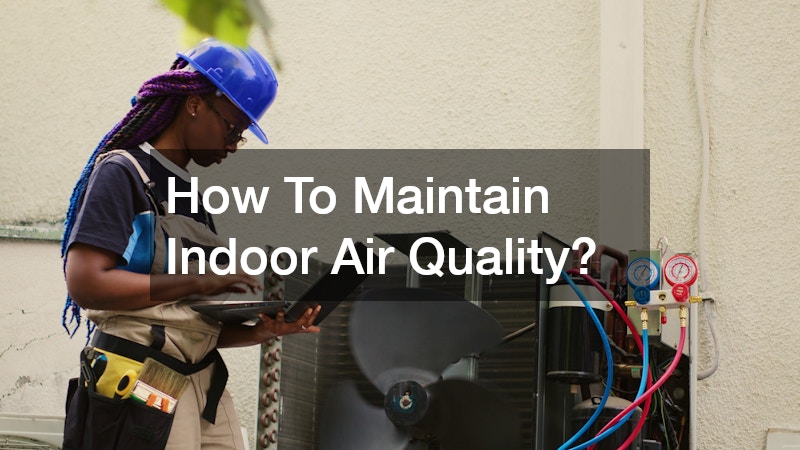
How To Maintain Indoor Air Quality?
Benefits Of Good Air Quality
Indoor air quality directly affects comfort, health, and energy efficiency. Clean air reduces allergens, supports respiratory health, and helps HVAC systems operate more effectively. Poor air quality can worsen allergies, increase dust buildup, and strain mechanical systems.
Regular maintenance, including filter changes and ventilation checks, improves airflow and reduces contaminants. Many homeowners also schedule periodic visits from duct cleaners to remove accumulated debris that restricts circulation. Clean ducts support consistent temperatures and improved system performance.
Good air quality is a core element of responsible home care maintenance. When air systems function properly, the entire home feels more comfortable and balanced throughout the year.
Tips For Improving Air Quality
Improving indoor air quality starts with consistent habits. Replacing filters on schedule, controlling humidity levels, and keeping vents unobstructed all contribute to cleaner air. Proper ventilation in kitchens and bathrooms helps reduce moisture and airborne particles.
Window treatments such as modern roller blinds can also support temperature control and reduce dust circulation when cleaned regularly. Sealing gaps and addressing insulation issues further improves air consistency and comfort.
Small adjustments, maintained over time, significantly enhance indoor conditions. These efforts align naturally with long-term home care maintenance goals and support a healthier living environment.
What Should Be Included In My Home Maintenance Checklist?
Year-Round Maintenance Tasks
A comprehensive maintenance checklist helps homeowners stay organized and proactive. Year-round tasks include inspecting mechanical systems, checking seals, monitoring drainage, and reviewing safety equipment. Regular attention prevents overlooked issues from becoming costly repairs.
Roof inspections, gutter maintenance, and system servicing should all be scheduled consistently. Tasks like residential roofing assessments or checking Heating repair needs help maintain performance and avoid emergencies. A structured checklist supports accountability and consistency.
When maintenance is planned rather than reactive, homeowners experience fewer disruptions. Organized routines reinforce reliable home care maintenance and protect long-term property value.
Setting Reminders And Tracking Progress
Tracking maintenance tasks is just as important as performing them. Digital calendars, maintenance apps, or simple spreadsheets help homeowners stay on schedule and document completed work. Records are especially useful when coordinating with service providers or planning future upgrades.
Setting reminders ensures tasks aren’t forgotten during busy seasons. Tracking progress also highlights patterns, such as recurring repairs or aging components. This insight supports smarter decisions and budget planning.
A reliable tracking system transforms home care maintenance into a manageable, repeatable process. With clear records and reminders, homeowners maintain control and confidence year-round.
Consistent home care maintenance is the foundation of a safe, efficient, and comfortable living environment. When homeowners take a proactive approach to upkeep, they reduce stress, prevent costly repairs, and extend the life of essential systems. From routine inspections to seasonal planning, each effort contributes to long-term stability and peace of mind.
By addressing mechanical systems, exterior elements, air quality, and outdoor spaces, homeowners create a balanced maintenance strategy that supports everyday living. Professional support from HVAC companies, roofers, and other service providers enhances results when specialized expertise is needed. Equally important are simple habits, such as tracking tasks and responding to early warning signs.
A structured approach to home care maintenance allows homeowners to protect their investment while enjoying their space with confidence. When maintenance becomes part of a regular routine rather than an afterthought, homes remain resilient, comfortable, and prepared for whatever the future brings.