This article provides comprehensive insights into understanding pest control inspections, answering frequently asked questions for homeowners, property managers, or anyone curious about the process.
What is a Pest Control Inspection?
Understanding the Basics
Pest control service inspections are crucial in property management by identifying pests and conditions leading to infestations. Licensed professionals offer insights often missed by untrained eyes, helping to prevent or address pest issues, maintain structural integrity, and plan tailored pest management strategies.
Inspections diagnose specific pest problems by checking for insects, rodents, mold, and other invaders in interior and exterior spaces. Early detection is vital for managing threats efficiently, avoiding costly repairs, and maintaining hygiene standards, essential in industries like food service and healthcare, thereby investing in your property’s safety and longevity.
The Importance of Regular Inspections
Regular inspections detect pests early, preventing health and financial risks, preserving property value, ensure compliance with regulations, and providing peace of mind. Inspectors’ expertise identifies pest species and applies strategic solutions, aided by knowledgeable professionals.
Partnering with pest inspectors addresses threats effectively, ensuring services remain relevant and efficient.
Common Pests Identified
Inspections identify common pests like termites, ants, cockroaches, bedbugs, mice, and rats. Recognizing their challenges allows for targeted management techniques, avoiding full-blown infestations. Each pest requires specific management approaches informed by an understanding of its behavior and nesting habits.
The Inspection Process Explained
The inspection begins with property owner interviews about noticed issues, followed by an evaluation using specialized tools for hidden infestations. Documented findings create a treatment plan involving recommended treatments and follow-up inspections. This structured approach ensures all potential pest invasions are meticulously addressed.
Documentation and Reporting
Detailed records of inspection findings, including notes, diagrams, and photographs, aid in strategy development, compliance, and serve as an insurance asset. Comprehensive documentation ensures transparency and accountability. Proper documentation is also crucial for tracking the progress of pest management over time.
How to Prepare for a Pest Control Inspection
Initial Assessment and Preparations
Preparation includes assessing existing conditions, reducing clutter, allowing inspector access, and ensuring the property is clean. Understanding regional pest activity helps focus inspections. Effective preparation significantly enhances the inspection’s efficiency and success rate.
Clearing Infestation-Prone Areas
Areas like kitchens, basements, attics, and garages should be organized to reduce pest attractants. Both indoor and outdoor preparations ensure thorough inspections. Systematic preparations can prevent the recurrence of pest infestations.
Secure Pets and Children
During inspections, it’s essential to ensure the safety of pets and children by temporarily relocating them. Communication about pet presence and inspection implications is key to seamless conduct. Establishing a safe environment during inspections helps avoid disruptions and potential hazards.
Checklist Before the Inspection
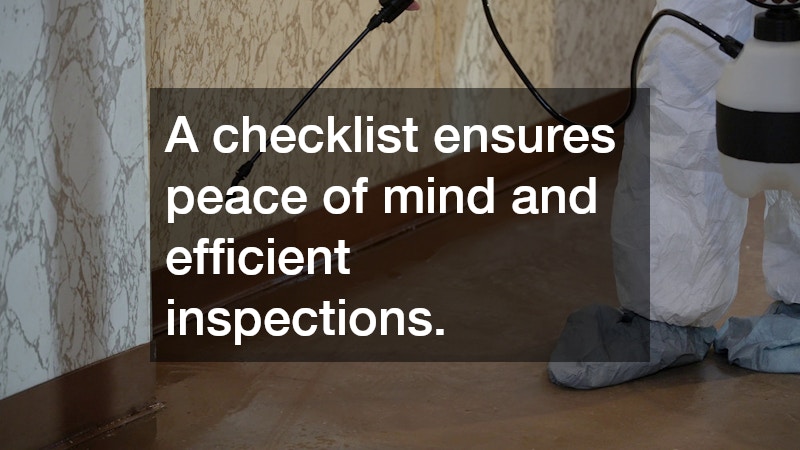
A checklist ensures peace of mind and efficient inspections. Preparations include securing entryways, reducing clutter, and noting pest activity to guide inspectors. Comprehensive checklists can also be useful post-inspection for continued pest control.
Pre-Inspection Communication
Communication with service providers aligns expectations and addresses concerns, benefiting the inspection process and long-term management strategies. Clear communication establishes a collaborative relationship essential for successful pest management efforts.
What to Expect During a Pest Control Inspection
Inspector’s Arrival and Introduction
Inspectors introduce themselves and explain the process to build trust and clarify expectations, fostering an open, informative inspection. This initial interaction lays the foundation for effective cooperation throughout the inspection.
Inspection Tools and Techniques Used
Inspectors use specialized tools like flashlights, moisture meters, and cameras for a thorough evaluation, supported by detailed documentation. Utilizing advanced tools ensures a comprehensive assessment and enhances problem-solving capabilities.
Common Areas of Focus
Focus areas during inspections include kitchens, basements, attics, and gardens, targeting food sources, moisture sites, and structural vulnerabilities. Identifying these critical points supports effective prevention and mitigation of infestations.
Interaction and Queries with Inspectors
Interacting with inspectors via queries and sharing observations enhances the inspection’s accuracy and empowers property owners post-inspection. Active participation in the process encourages collaborative solutions and effective pest control measures.
Duration of Inspections
Inspection duration depends on property size and complexity, usually taking one to two hours for a thorough evaluation and recommendations. Allowing enough time is vital for uncovering pest issues and solutions.
Armed with this guide, confidently handle pest control inspections. Regular check-ups and choosing the right service enhance your property’s safety and comfort. Stay informed for a pest-free space.
Regular pest inspections are crucial for protection, allowing prompt infestation management and investing in a stable, hygienic property with expert help.