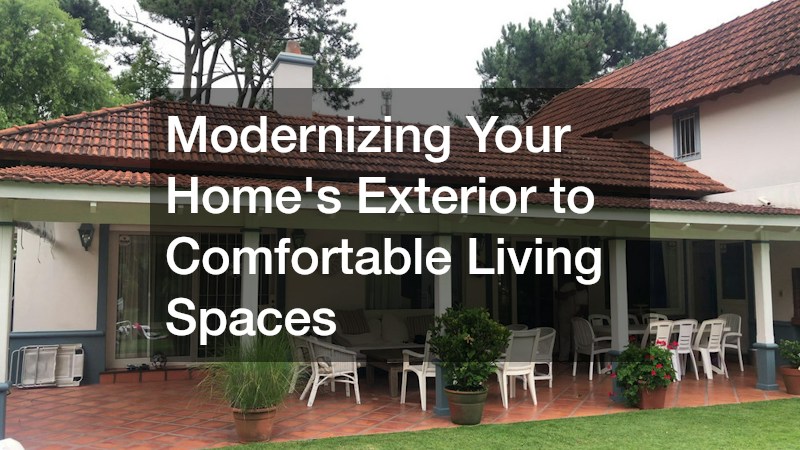

For generations, the residential yard was treated primarily as a display piece. The front yard existed to project a tidy image to the neighborhood, while the backyard was often an open expanse of turf reserved for occasional weekend play or a standalone grill. As daily life has grown increasingly fast-paced and screen-dependent, the way homeowners view their properties has shifted. Today, people want more than a yard that looks pleasant from the kitchen window; they want functional, seamlessly integrated environments that serve as true extensions of their indoor square footage.
Despite this desire, many properties suffer from a distinct comfort gap. If you rarely use your outdoor footprint, a few common culprits are usually to blame. A lack of overhead shade makes summer afternoons unbearable, poor drainage leaves the ground perpetually soggy, exposed sightlines eliminate privacy, and inadequate lighting renders the yard unusable after sunset. Bridging this gap requires more than buying a new dining set. By combining smart structural layouts, durable materials, automated care systems, and layered ambiance, you can transform an underutilized lot into a multi-season retreat tailored to your lifestyle.
Designing a Durable Ground-Level Foundation

Before pouring concrete, ordering stone, or moving earth, you need to understand how nature interacts with your property. A successful outdoor living space begins with a careful audit of your yard’s sun patterns and natural foot traffic. Tracking morning versus afternoon sun exposure across your lot dictates where specific activity zones belong. Position your primary dining area where it receives natural afternoon shade so summer meals remain comfortable, while placing lounging zones and morning coffee nooks where early sunlight provides gentle warmth.
Thoughtful space planning is equally critical to your layout. Establish distinct outdoor rooms rather than leaving furniture floating aimlessly on bare grass:
- Maintain generous walkways: Keep clear paths at least 36 to 48 inches wide between back doors, grilling stations, and seating areas so guests never feel bottlenecked during gatherings.
- Use visual cues for zoning: Define the boundaries of each outdoor room with subtle grade changes, weather-resistant area rugs, or contrasting stone borders to give every area an intentional purpose.
- Anchor high-traffic zones: Place heavy dining sets and cooking stations on level, solid surfaces rather than turf, which quickly wears down into mud under repeated foot traffic.
When choosing your primary ground surface, prioritize slip resistance, permeability, and long-term durability. Poured concrete slabs are common, yet they frequently crack under seasonal freeze-thaw cycles. Natural flagstone offers organic beauty, though its uneven texture can make dining chairs wobble. For most homeowners, interlocking patio pavers provide an ideal combination of freeze-thaw resilience, stain resistance near outdoor kitchens, and barefoot comfort. Pairing them with permeable jointing materials allows heavy rain to filter directly into the subsoil rather than pooling on the surface.
Achieving a surface that will not sink or heave after winter demands rigorous base preparation. When hiring professional patio services, verify that their installation process includes excavating six to eight inches deep to install and mechanically compact a crushed stone aggregate base. They must also engineer a subtle, consistent slope that directs all rainwater safely away from your home’s foundation to prevent basement moisture and soil erosion.
Creating Seamless Transitions and Multi-Level Architecture

The most frequently used outdoor spaces are those that feel effortless to reach. If stepping outside requires navigating steep, awkward stairs or crossing a muddy patch of lawn, you will naturally spend less time outdoors. To bridge the indoor-outdoor threshold, incorporate elevated platforms that sit nearly flush with your interior flooring. Aligning your exterior floor height with your main living area and installing wide sliding or French doors creates an uninterrupted visual and physical flow that immediately expands your home’s perceived living space.
When building elevated platforms, material selection determines your long-term upkeep:
- Choose low-maintenance composites: Capped composite boards deliver splinter-free comfort, strong fade resistance, and zero need for annual staining or sealing.
- Consider dense tropical hardwoods: If you prefer natural timber, species like ipe or teak offer exceptional rot resistance and longevity, though they require periodic oiling to preserve their rich tone.
Structural integrity is non-negotiable when building above grade. When consulting deck building services, outline clear expectations for hidden details that govern safety and lifespan. Request hidden fastener systems to keep walking surfaces smooth and barefoot-friendly, insist on waterproof flashing tape over all joists and the house-attached ledger board to block hidden rot, and choose slim cable or aluminum railings that satisfy safety codes without obstructing views of your yard.
Properties with steep or uneven terrain benefit greatly from multi-level architectural transitions. Rather than fighting a difficult slope, convert the grade into terraced living levels using structural retaining walls. These walls flatten awkward inclines into distinct, usable tiers for dining, lounging, or recreation. Designing low retaining walls at a standard seating height of 18 to 20 inches allows them to double as casual bench seating during large gatherings. You can also anchor each terrace with a clear focal point, such as a smokeless fire pit on a lower tier or a built-in outdoor kitchen counter above. Because holding back tons of soil requires exact engineering, working with experienced hardscaping companies is essential. They install proper behind-wall drainage—using clean gravel backfill and perforated weep pipes—so stone walls never bow, shift, or fail under hydrostatic pressure.
Cultivating Living Canopy Shade and Layered Plantings
Even the finest stone terrace or elevated platform will sit empty in July if it bakes in direct sunlight. While pergolas and cantilever umbrellas offer targeted relief, nothing matches the cooling power of a mature tree canopy. Through transpiration, healthy overhead trees act as natural air conditioning, lowering ambient temperatures in shaded seating zones by up to ten degrees during peak summer heat.
Preserving and shaping that canopy takes proactive care. If your lot already has mature trees, schedule certified tree services before starting any construction. An arborist can remove hazardous deadwood above future seating areas, thin dense crowns to encourage dappled light and cooling airflow, and establish strict root-protection zones so heavy machinery does not compact the soil and suffocate established roots. When planting new shade trees near walkways or seating zones, select non-invasive, deep-rooting ornamental varieties whose roots will not heave nearby stone surfaces as they mature.
Beneath the tree canopy, layered plantings soften the hard edges of wood and masonry. Modern residential landscapes move away from fragile, water-hungry annual flowerbeds that demand constant deadheading and daily attention:
- Prioritize native perennials: Replace fussy borders with drought-tolerant native perennials, ornamental grasses, and structured evergreen shrubs adapted to your regional climate.
- Frame spaces with containers: Group oversized ceramic, corten steel, or fiber-stone planters at varying heights to define seating corners and frame doorways without building permanent masonry boxes.
- Stagger bloom times: Combine early spring bulbs, summer-blooming perennials, and evergreens with textured bark so your outdoor rooms remain visually engaging year-round.
To ensure your plantings thrive from the start, consult reputable local garden centers before buying in bulk. Their specialists can test your soil pH, recommend disease-resistant cultivars suited to your microclimate, and supply slow-release organic compost to transform compacted suburban soil into a healthy growing medium.
Automating Yard Health and Streamlining Ongoing Upkeep

Modernizing your exterior should give you a place to unwind, not a second part-time job spent dragging hoses, pulling weeds, and managing mud. A truly comfortable outdoor living space relies on automated infrastructure that handles routine yard care quietly behind the scenes.
Keeping a diverse landscape properly hydrated is one of the most time-consuming summer chores. Manual watering with a garden hose is notoriously inconsistent, often leaving lawns overwatered, shrubs stressed, and patio cushions soaked. A far better approach is installing a smart, zone-specific watering system that separates turf areas from ornamental beds. Garden beds perform best with targeted drip emitters that deliver water slowly right at the root zone, keeping foliage dry to prevent fungal disease and ensuring adjacent walkways and seating areas stay completely dry.
Pairing those zones with smart controls eliminates wasted water. Unlike conventional timers that run during rainstorms, Wi-Fi-enabled controllers adjust schedules automatically using local weather forecasts alongside physical rain and soil-moisture sensors. Hiring specialists for lawn irrigation installation ensures matched precipitation rates across every zone, proper head-to-head sprinkler coverage for turf, and accessible winterization valves to protect pipes from freezing temperatures.
Effective water management also includes controlling how your property sheds heavy rainfall. A well-appointed lounge loses its appeal if reaching it requires crossing soggy grass:
- Correct low spots: Eliminate standing water and muddy pathways by grading subtle drainage swales or installing discreet subsurface French drains beneath turf areas.
- Mulch planting beds: Spread a two- to three-inch layer of shredded hardwood mulch around plantings each spring to block weeds, moderate soil temperatures, and retain moisture.
- Protect foundation perimeters: Keep mulched beds graded gently away from exterior siding so heavy spring storms never channel moisture against structural framing.
If you prefer to hand off recurring seasonal maintenance altogether, partnering with full-service landscaping services keeps your grounds consistently polished. Beyond routine mowing, professional crews manage critical soil-health tasks such as core aeration, organic compost top-dressing, and crisp bed edging that prevents turf grass from invading ornamental borders.
Framing Secluded Boundaries and Extending Evening Ambiance
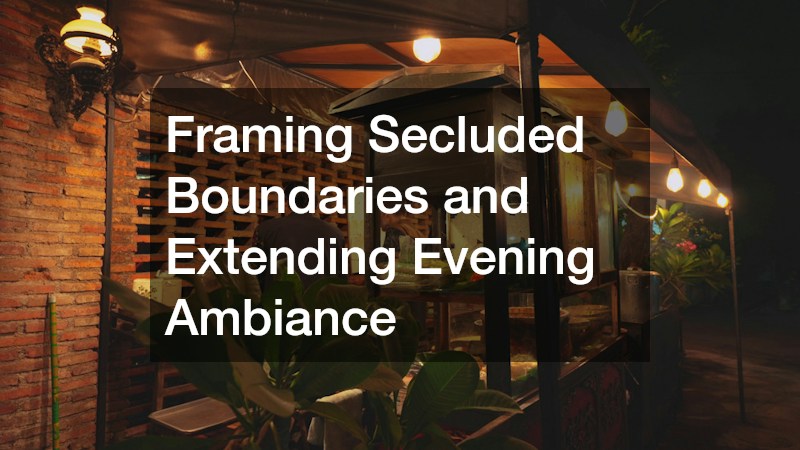
Even with comfortable seating, generous shade, and thriving gardens, an outdoor space will never feel like a true living room if you feel exposed to passing cars or neighboring windows. Creating a strong sense of enclosure is essential for psychological comfort. Thoughtful perimeter boundaries block street noise, buffer gusty winds, and screen unwanted sightlines without making your yard feel boxed in.
Contemporary boundary designs have moved well beyond basic chain-link or standard picket fences. Homeowners increasingly favor horizontal cedar slats, durable composite privacy panels, and mixed wood-and-steel framing that double as modern architectural backdrops. To keep tall perimeter walls from feeling overly rigid, soften their interior faces by training climbing vines across integrated trellises or planting a staggered row of narrow evergreen trees along the border. Because property lines, easements, and height limits are strictly regulated, hiring a licensed fence company protects you from costly mistakes. Professionals verify exact boundary lines, navigate municipal codes and neighborhood covenants, and set structural posts in deep concrete footings below the frost line so panels remain plumb for decades.
Once your yard feels private and sheltered, strategic illumination ensures you can enjoy it well past dusk. Great exterior lighting transforms the evening mood of a property, whereas harsh, cool-blue security floodlights make a backyard feel like a commercial parking lot. Choose warm white LED fixtures in the 2700K to 3000K range to replicate the inviting glow of indoor lamps.
A balanced evening design layers three distinct types of landscape lighting to combine safety with atmosphere:
- Path and step lights: Low-profile recessed fixtures illuminate grade changes, stairs, and walkways safely without creating harsh glare.
- Overhead downlights: Soft fixtures mounted high in tree branches cast a natural, dappled moonlight effect across dining tables and lounge seating.
- Architectural uplights: Directional spotlights aimed at stone retaining walls, textured facades, or specimen trees add depth and visual warmth after dark.
Connecting these circuits to smart dimmers and astronomical timers allows your outdoor rooms to transition automatically at dusk, giving you effortless evening ambiance every night.
Treating your home’s exterior with the same planning and care as an interior renovation fundamentally changes how you live in your space. When you prioritize logical traffic flow, durable ground surfaces, natural cooling, privacy, and warm evening light, your yard stops feeling like a weekend chore and becomes an everyday destination for morning coffee, casual family dinners, and relaxed entertaining.
Because a comprehensive exterior upgrade represents a meaningful investment of time and budget, a disciplined, phased approach works best. Start with invisible infrastructure and underground utilities first, including drainage corrections, electrical conduit, and water lines. Move next to major structural surfaces such as elevated platforms, ground-level terraces, and retaining walls. Save plantings, outdoor furnishings, lighting fixtures, and decorative accents for the final stage. By focusing on one high-impact gathering zone first, you can begin enjoying your upgraded outdoor living space right away while expanding your vision at a sustainable pace.