
A backyard can become one of the most useful parts of a home when it is planned with comfort, safety, and everyday routines in mind. Families often use outdoor spaces for meals, play, gardening, entertaining, exercise, and quiet time, so improvements should support more than appearance alone. The most successful projects usually combine practical upgrades with features that make the property easier to enjoy and maintain throughout the year.
Professional outdoor services can help homeowners address different parts of the yard in a coordinated way. Landscaping, tree care, hardscaping, walkways, shade structures, enclosures, and pools all influence how people move through and use the property. Instead of making isolated changes, homeowners can look at the entire space and decide which improvements should happen first, which professionals may need to work together, and how each project will affect future plans.
A thoughtful approach can also help prevent unnecessary rework. For example, it may be better to complete tree work before installing a new patio or to plan utility routes before adding permanent hardscape features. By considering the yard as a connected environment, homeowners can create an outdoor area that feels more organized, functional, and suited to the way they actually live.
Before scheduling work, homeowners may also benefit from documenting existing conditions with photos and measurements. These records can make it easier to compare proposals, discuss priorities with professionals, track changes during construction, and confirm that finished improvements align with the original goals for the property.
Build a Strong Landscaping Plan
Landscaping is often the foundation of a backyard improvement project because plants, lawn areas, beds, and grading shape the overall appearance and function of the property. Before adding decorative features, homeowners should consider sun exposure, drainage, soil conditions, existing vegetation, and the amount of maintenance they are willing to handle. These factors can help determine where different plants and outdoor features are most likely to succeed.
Landscaping contractors can help homeowners create a plan that balances visual appeal with practical concerns. They may evaluate slopes, drainage problems, worn lawn areas, plant placement, and irrigation needs before recommending changes. A coordinated landscape plan can also help define different zones for play, dining, gardening, or relaxing.
When selecting plants, homeowners may visit plant nurseries to compare options suited to their climate and property conditions. Nurseries can provide access to trees, shrubs, flowers, grasses, and other plants in different sizes and varieties. Choosing plants based on mature size, light requirements, and maintenance needs can reduce crowding and make long-term care more manageable.
Homeowners should also think about how plantings will interact with walkways, fences, patios, and other structures. Roots, branches, and spreading growth can cause problems when plants are placed too close to permanent features. Careful planning at the beginning can help landscaping remain attractive without interfering with future projects.
Address Tree Health and Safety
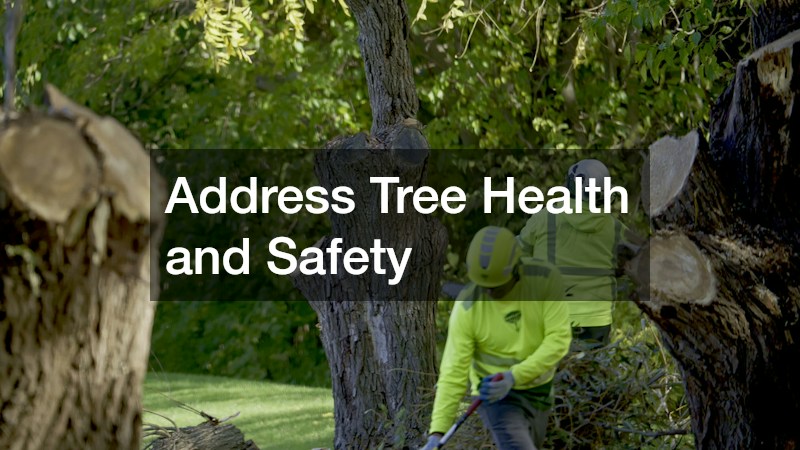
Trees can provide shade, privacy, and visual interest, but they also require regular attention. Mature trees may develop dead limbs, storm damage, disease, or structural issues that are difficult for homeowners to evaluate from the ground. Because branches can extend over roofs, driveways, play areas, and outdoor seating, tree care should be part of any backyard safety plan.
A tree removal service may be appropriate when a tree is dead, severely damaged, poorly located, or creating a hazard that cannot be corrected through pruning. Removing a large tree can also create space for a pool, patio, garden, or lawn expansion. Homeowners should consider how the removal will affect shade, soil conditions, and nearby landscaping before making changes.
Not every tree problem requires complete removal. A deadwood removal service can target dead or weakened branches while preserving healthy portions of the tree. Removing deadwood can improve clearance and reduce the chance that brittle limbs will fall during wind or storms.
Professional tree care can also help protect other backyard investments. Completing pruning or removal before installing delicate landscaping, paving, or structures reduces the risk of damaging new work later. Homeowners should continue monitoring trees after major weather events and as surrounding conditions change. Routine observation makes it easier to identify problems before they affect nearby structures or heavily used areas.
Improve Paths, Patios, and Hardscape Features
Hardscape elements create structure within a backyard. Patios, pathways, retaining walls, steps, edging, and other nonliving features can organize the property and make it easier to move between different activity areas. These features also need to work with drainage, grading, and landscaping to avoid creating maintenance problems.
Local hardscaping services can help homeowners plan materials and layouts that match the way the yard will be used. A family may need a durable patio for dining, a walkway between the house and pool, or a retaining feature that makes a sloped area more usable. Coordinating these projects can create a consistent appearance while improving circulation.
Walkways deserve special attention because cracked, uneven, or poorly positioned surfaces can create tripping hazards. Concrete sidewalk contractors can repair or install paths that provide stable access to gates, patios, garages, gardens, and other destinations. The width, slope, and placement of a walkway should reflect who will use it and what equipment may need to travel over it.
Material selection can also affect maintenance. Some homeowners prefer the uniform appearance of concrete, while others choose pavers, stone, or mixed materials for a more decorative look. Whatever material is selected, proper base preparation and drainage are important. Well-planned hardscaping can connect different areas of the yard while creating durable surfaces for frequent use.

Add Shade and Weather Protection
Comfort can determine how often a family actually uses its backyard. A beautiful patio may sit empty during the hottest part of the day if there is no relief from direct sunlight. Shade structures can make outdoor dining, reading, and entertaining more comfortable while giving the yard a more defined living area.
Patio cover companies can help homeowners compare options for permanent or attached shade structures. Depending on the design, a patio cover may provide partial or full protection from sun and rain. Homeowners should consider roof style, drainage, ventilation, lighting, and how the structure will connect visually with the house.
Screened areas can provide another layer of comfort. A screen enclosures company can create a protected space around a patio, porch, or pool area, depending on the property and local requirements. Screening can help reduce exposure to insects and windblown debris while still allowing fresh air into the space.
The location of a covered or screened area should support the household’s daily routines. A structure near the kitchen may make outdoor meals more convenient, while a covered sitting area farther from the house may create a quieter retreat. Planning electrical access, fans, lighting, and furniture placement in advance can make the finished area more useful.
Plan a Pool Around the Entire Backyard
A pool can become a major focal point of a backyard, but it also affects circulation, landscaping, drainage, safety, and available open space. Homeowners should think beyond the pool itself and consider how people will reach it, where they will sit, how equipment will be accessed, and how the surrounding yard will function after construction.
Pool building companies can help homeowners evaluate size, shape, placement, materials, and equipment options. Site conditions such as slope, soil, utility locations, setbacks, and access for construction equipment can influence what is practical. It is also important to understand local requirements for barriers, gates, permits, and drainage.
The surrounding deck or patio should provide enough room for movement without overwhelming the rest of the property. Families may want space for lounge chairs, dining furniture, storage, or shade, while still preserving lawn or garden areas.
Landscaping around a pool should be selected carefully. Plants that drop large amounts of leaves, seeds, or fruit can increase cleaning needs, while aggressive roots may be inappropriate near hardscape or plumbing. Homeowners should also think about visibility so adults can supervise swimmers from nearby seating or indoor areas. A well-planned pool should fit into the broader backyard rather than feeling like an isolated feature.

Keep Pool Areas Ready for Regular Use
Once a pool is installed, ongoing maintenance becomes part of the household routine. Clean water, functioning equipment, safe surfaces, and organized storage all affect how convenient the pool is to use. Planning for maintenance during the design stage can help reduce frustration later.
Homeowners need appropriate pool supplies for testing water, cleaning surfaces, handling debris, and maintaining equipment. The exact supplies required depend on the type of pool and its filtration or sanitation system. Storing frequently used items in a dry, accessible location can make routine care easier and prevent products from being scattered around the yard.
Pool areas also benefit from regular inspections. Homeowners should watch for damaged decking, loose gates, worn covers, leaking equipment, and changes in water quality. Addressing small issues promptly can help prevent larger maintenance problems.
Organization is especially important for families with children. Floats, toys, cleaning tools, and safety equipment should have designated storage so walkways stay clear. If chemicals are used, they should be stored according to manufacturer instructions and kept away from children, pets, heat, and moisture.
Routine care should extend beyond the water. Nearby landscaping, drains, furniture, and shade structures may also require attention. Keeping the entire pool area clean and organized can make spontaneous outdoor time easier and help the space remain inviting throughout the swimming season.
Coordinate Outdoor Projects in the Right Order
Backyard improvements often involve several different trades, and the order of work can affect both cost and results. Homeowners who plan ahead can reduce the chance that one project damages another or that finished work needs to be removed to reach underground utilities, tree roots, or drainage systems.
Major site preparation usually belongs near the beginning of the process. Tree removal, grading, drainage corrections, and utility work may need to happen before patios, walkways, pools, or planting beds are installed. Heavy equipment can compact soil or damage finished surfaces, so it is generally easier to complete disruptive work first.
Homeowners should also share future plans with each professional involved. A landscaper who knows that a pool will be added later can avoid placing expensive plants in a future construction zone. A hardscape professional can leave appropriate access or transitions for later structures.
Creating a written project sequence can help homeowners understand dependencies between jobs. It can also make budgeting easier because each stage can be scheduled around available funds and seasonal conditions. Some improvements may be completed together, while others can be spread over several months or years.
Good coordination does not require every project to happen at once. It simply means making today’s improvements with tomorrow’s possibilities in mind.
Maintain the Backyard as One Connected Space
A renovated backyard will continue to change after construction is complete. Plants grow, trees mature, surfaces weather, equipment ages, and household needs evolve. Regular maintenance helps homeowners protect their investment and keep the property functional over time.
A seasonal checklist can make outdoor care easier to manage. Homeowners can inspect trees, clean patios, check drainage, trim plants, wash enclosures, review pool equipment, and look for cracks or movement in walkways and hardscape features. Catching small problems early can reduce the need for more disruptive repairs.
Maintenance should also reflect how heavily different areas are used. A main walkway may require more frequent cleaning or repair than a decorative garden path, while a pool deck may need regular attention during warm months. Trim plants near structures before they block pathways, rub against roofs, or interfere with screens.
Families may also find that their priorities change over time. A play area might eventually become a garden, an open lawn could become a patio, or additional shade may become important as outdoor use increases. Flexible planning makes these transitions easier.
The most useful backyard improvements work together. By coordinating landscaping, tree care, hardscaping, shade, enclosures, pool features, and maintenance, homeowners can create a space that supports daily routines while remaining adaptable for future needs. Careful planning and consistent upkeep can help the backyard stay comfortable, organized, and enjoyable for years.