
Deciding whether to replace your roof or opt for repairs can be a daunting task for homeowners. Understanding the condition of your roof and the potential solutions can help you make an informed decision. This article aims to address the most common queries homeowners face when dealing with their roofs. Roofing repair or replacement is a significant investment, but making the right choice can ensure the longevity and safety of your home. By considering the information herein, homeowners can approach the situation with confidence and knowledge.
1. How Do I Know If My Roof Needs to Be Replaced?
Identifying when your roof needs replacement is critical in maintaining your home’s structural integrity. One of the first signs is the age of your roof; most roofs have a lifespan of 20-25 years. Additionally, persistent leaks or visible sagging often indicate the need for a complete replacement. Shingles that are curled, cracked, or missing in large areas are also a telltale sign. Watermarks on the ceiling, frequent attic leaks, and granules collecting in gutters further suggest the roof has outgrown its usability.
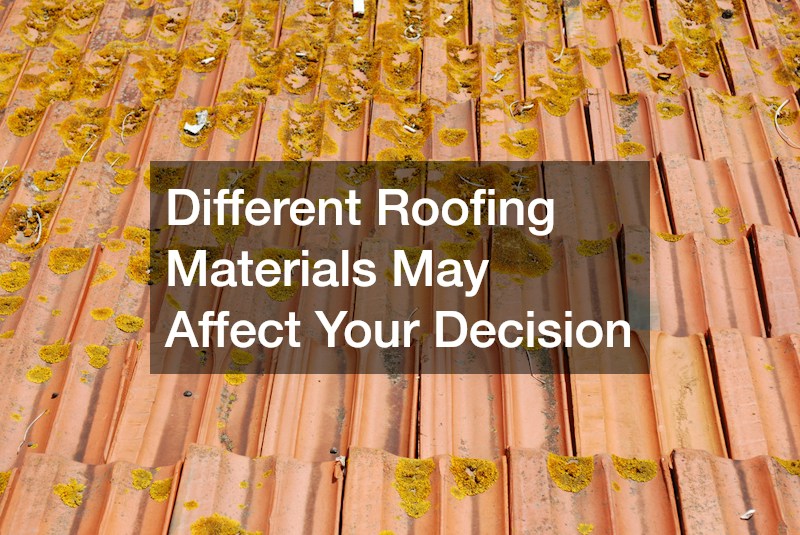
Another essential factor is the overall condition of the roofing materials. Asphalt shingles, for example, start to lose their effectiveness as they age, often becoming brittle and less waterproof. If you observe large moss or algae patches, this signifies that moisture is trapped, which could damage underlying structures. Roofing materials like metal or tile also have specific signs of aging, such as rust or cracking, respectively. Regular inspections and awareness of roofing material deterioration can help prevent extensive damage.
Environmental conditions contribute significantly to a roof’s deterioration. Regions experiencing extreme weather conditions, such as hurricanes or heavy snow, can accelerate roof aging. Storm damage often leaves visible marks, such as dents from hail or missing shingles from strong winds. Furthermore, poorly ventilated roofs can cause heat and moisture buildup, degrading the roof more quickly. Staying proactive about these environmental impacts allows homeowners to plan for timely interventions.
2. What Are the Signs My Roof Can Be Repaired?
Sometimes, roof issues are minor and repairable, preserving both the lifespan of your roof and your budget. Small leaks concentrated in one area often suggest localized damage, often solvable with repairs rather than replacement. Replacing a few missing or damaged shingles is a cost-effective solution when the rest of the shingles are in good condition. In some cases, flashings around chimneys and vents may fail, leading to leaks without compromising the entire roof system. Addressing these specific, isolated problems early can extend your roof’s functionality.
Mild weathering signs do not always mean immediate replacement is necessary; sometimes a simple maintenance overhaul can drastically improve the roof’s health. Cleaning gutters, removing debris, and conducting minor repairs can prevent further deterioration. Prolonged exposure to the elements naturally leads to wear and tear, but it doesn’t immediately necessitate a full roof replacement. Regular maintenance checks can identify issues before they evolve into significant, costly repairs. Keeping a vigilant eye on the roof’s condition helps maximize its service life.
If the underlying structure or materials remain strong and functional, repairs are usually the best course of action. Roofing materials like tiles and metal often have longevity but can experience damage from impacts that don’t require full replacement. Repairing a cracked or missing tile can return the roof to its prior condition without excessive spending. This option is both economical and environmentally friendly, as it maximizes the usage of already existing materials. Making informed decisions based on the roof’s health supports sustainability.
3. What Are the Costs Involved in Replacing or Repairing My Roof?
Understanding the financial implications of roof repairs or replacement by roofers is crucial. Replacing a roof is a significant financial investment; costs vary widely depending on materials, size, and the complexity of the installation. For example, asphalt shingles traditionally offer the least expensive option compared to long-lasting materials like slate or tile. On average, replacing a standard roof can range from $5,000 to $20,000. It’s crucial to obtain multiple quotes and thoroughly research your roofing contractor to ensure financial prudence.
Roof repairs generally present a more affordable solution, aligning well with short-term financial constraints. The repair costs are dictated by factors such as the extent of the damage and the need for specialized materials. Small patch jobs might cost a few hundred dollars, while extensive damage repairs might range into thousands. However, continuous repairing of an aging roof might outweigh the benefits of preserving a failing system. Weighing the ongoing cost of repairs against the investment of a new roof is key to financial stability.
In addition to the immediate costs, consider the long-term savings each option offers. A new roof provides peace of mind and reduces the likelihood of future repair costs. Improved insulation and energy efficiency from modern roofing materials can also offer savings on utilities. Furthermore, a new roof can enhance the overall aesthetic appeal and value of your property. These long-term considerations often make replacement the better choice for homeowners planning to stay in their homes for extended periods.
4. How Do Different Roofing Materials Affect My Decision?
The choice of roofing materials significantly influences your decision to repair or replace. Some materials, like traditional asphalt shingles, might not withstand multiple repairs and therefore favor sooner replacement. Conversely, premium materials like slate or copper may have longer lifespans and justify ongoing repairs over replacement. Terracotta tiles and metal roofs lie somewhere in between, offering high durability with lower maintenance requirements. Knowing the service life and resilience of your current roofing material can guide your decision-making process.
Factors such as local climate and architectural style also impact material choice. In areas prone to wildfires, metal roofs offer fire-resistant qualities that could discourage repair if their condition declines. In coastal regions, resistance to salt and moisture becomes a priority, influencing material selection and maintenance plans. Certain materials, like ceramic or composite shingles, might fare better in one climate over another. Evaluating how material attributes align with environmental conditions is essential for cost-effective, functional roofing.
Aesthetic considerations likewise influence material decisions, affecting overall property appearance and curb appeal. While function is paramount, the visual impact of the roofing material can either complement or clash with your home’s design. Choosing materials that enhance visual impact while meeting structural needs can add property value. Homeowners often weigh the visual advantages against practical necessities when selecting roofing materials. Ultimately, balancing aesthetic goals with practical realities encourages a thoughtful approach to roofing projects.
5. What Factors Should Impact My Final Decision to Repair or Replace?
A host of factors should be assessed when deciding whether to repair or replace a roof. The roof’s existing condition is most telling, revealing intrinsic issues like water damage or structural deficits. Additionally, personal financial circumstances and long-term homeownership goals play crucial roles in decision-making. For instance, a homeowner planning to sell in the near term might favor repairs to maintain curb appeal and avoid major expenses. In contrast, those looking to remain long-term could benefit from the stability of a new, durable roof.
Timing plays an influential role, as weather conditions could limit periods suitable for extensive roofing work. Scheduling major replacements during temperate seasons ensures efficient work and high-quality outcomes. Moreover, manufacturers usually introduce updated technologies or materials that can influence your decision over time. Monitoring trends and innovations in roofing can reveal new materials with lower maintenance demands or higher energy efficiency, aligning with sustainability goals. A well-timed decision based on market innovations and forecasts maximizes potential investments.
Finally, local building codes and regulations impact roofing decisions, dictating material choices or repair alternatives. Understanding these legal boundaries ensures compliance and avoids costly penalties or work reversals. Consultations with local real estate and construction experts also provide insights into the benefits and drawbacks of various options. Taking a broad and well-rounded approach encompassing legal, financial, and practical considerations guides homeowners decisively. Prioritizing these factors collectively solidifies a sound, informed final decision.
Making the decision to repair or replace your roof requires thorough consideration of multiple factors including the current condition of the roof, budget, long-term implications, and personal preferences. By understanding the information highlighted in this article, you are better equipped to make a choice that will ensure the safety and appeal of your home. Weighing the benefits and drawbacks of repair vs. replacement not only preserves your home’s structural integrity but aligns with your lifestyle demands. The right decision contributes to peace of mind regarding one of your most critical home investments. Empowered by insights from this article, homeowners can confidently approach roofing challenges with strategic foresight and financial acumen.