
Owning forested property can provide long-term financial, environmental, and recreational benefits, but understanding the value of those trees requires more than a visual inspection. A timber appraisal provides a detailed evaluation of the timber resources on a property, helping landowners make informed decisions about harvesting, selling, conservation, or future management. Whether you own a small wooded parcel or a large tract of timberland, knowing the value of your trees is an important part of responsible property ownership.
What Is Timber Appraisal?
A timber appraisal is a professional assessment of the value of standing timber on a property. Rather than assigning a value based solely on the number of trees, the appraisal considers multiple characteristics that influence the quality and marketability of the timber. The result is a comprehensive estimate of the timber’s current value under existing market conditions. The purpose of an appraisal extends beyond preparing for a timber sale. Property owners may request an appraisal for estate planning, property transactions, insurance documentation, tax purposes, conservation planning, or long-term forest management. Having an accurate understanding of timber value allows landowners to make decisions based on reliable information rather than assumptions.
The appraisal process begins with a site visit, during which a qualified professional evaluates the forest. Depending on the size of the property, the appraiser may inspect the entire tract or use sampling methods to estimate the overall timber inventory. During the inspection, the appraiser identifies tree species, measures tree diameter and height, estimates volume, and evaluates overall forest conditions. They also document factors such as tree health, density, accessibility, and signs of damage or disease. Once field data has been collected, the appraiser analyzes the information using established forestry practices and current market data. The completed report typically summarizes timber volume, species composition, estimated value, and observations that may affect future management decisions.
Several professionals may participate in the appraisal process depending on the property’s purpose and complexity. Consulting foresters commonly perform timber appraisals because they have specialized knowledge of forest inventory, timber markets, and land management practices. Certified appraisers may also become involved when valuations are needed for legal proceedings, estate settlements, or financial documentation. In some situations, landowners work alongside timber buyers, attorneys, accountants, or conservation organizations to support specific property goals. Each professional contributes expertise that helps create a well-informed evaluation.
How Do Appraisers Determine the Value of Trees?
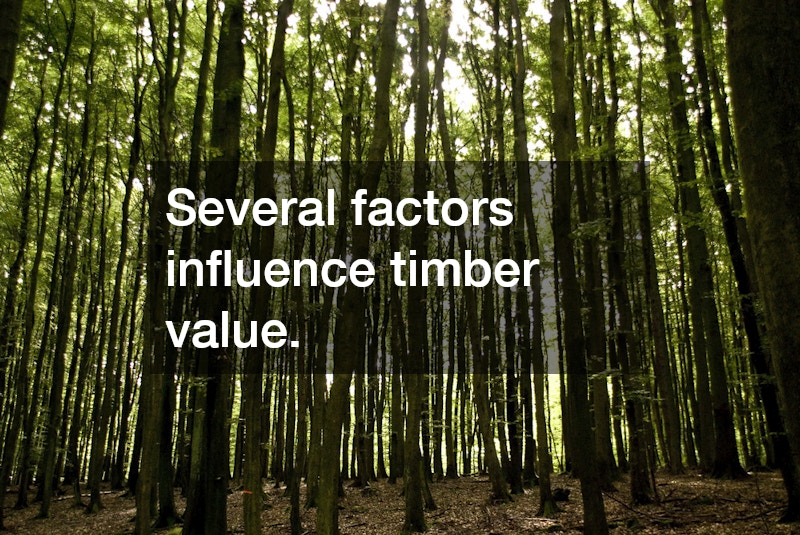
No two forests are identical, and several factors influence timber value. Tree species are one of the most important because different species serve different commercial purposes. Tree size and quality also matter, as larger, healthier trees with fewer defects typically produce more usable lumber. Appraisers also consider decay, insect damage, disease, accessibility, terrain, and transportation routes, since these factors affect harvesting costs and market value. Forest age and overall health further contribute to the property’s valuation.
Forestry professionals estimate timber value by measuring tree diameter, height, and overall timber volume across the property. These measurements are converted into industry-standard units to estimate the amount of merchantable wood available for products such as sawlogs, veneer logs, and pulpwood. Appraisers also compare recent regional timber sales and apply established valuation methods to produce an objective estimate based on both forest characteristics and current market conditions.
Market conditions have a direct impact on timber value. Demand for lumber, paper products, construction materials, and wood-based manufacturing can fluctuate throughout the year and over longer economic cycles. Regional supply also affects pricing. Areas with abundant timber resources may experience different pricing trends than regions with limited inventory or increased demand. Transportation costs, local mill activity, and export markets may further influence timber prices. Because these conditions change over time, a valuation reflects market conditions at the time of the appraisal. Property owners considering a timber sale often benefit from understanding current market trends before making management decisions.
When Should You Get a Timber Appraisal?
There are several situations where obtaining a professional evaluation is especially valuable. Many landowners schedule an appraisal before selling timber to understand the potential value of their forest before negotiating with buyers. Appraisals are also useful before purchasing or selling forested property, as timber value may represent a substantial portion of the property’s overall worth. Estate planning, inheritance, conservation projects, and major land management decisions are additional situations where an appraisal provides valuable information.
Several circumstances may indicate that it’s time for an evaluation. Significant tree growth since a previous assessment, storm damage, insect infestations, or changes in forest conditions may all justify a new appraisal. Landowners may also benefit from an appraisal if they are uncertain about the condition or value of their timber resources. Understanding what exists on the property provides a stronger foundation for future planning and helps avoid decisions based on incomplete information. Changes in local timber markets or increased interest from potential buyers can also make an updated evaluation worthwhile.
The ideal frequency depends on property goals and forest growth. For actively managed timberland, periodic appraisals every several years can help monitor changes in timber volume and value as trees mature. Property owners planning future harvests may schedule appraisals before major management activities to establish current market value. Others may obtain updated evaluations following significant weather events, ownership changes, or major improvements to the property. Regular assessments allow landowners to track the condition of their forests while supporting informed long-term management decisions.
Determining the value of standing timber involves much more than counting trees. Species, size, quality, forest health, accessibility, and changing market conditions all contribute to the overall value of a forest. A professional timber appraisal combines detailed field measurements with current market analysis to produce a reliable estimate that supports informed decision-making. Whether you’re planning a timber sale, managing a family forest, purchasing wooded property, or preparing for future generations, understanding the true value of your timber resources provides valuable insight. Working with qualified forestry professionals helps property owners make sound decisions while maximizing the long-term potential of their forest investments.