
Key Takeaways
- Garage heat is often caused by poor insulation, limited ventilation, direct sunlight, and heat transfer through roofing and doors.
- Upgrading garage door insulation is one of the most effective ways to reduce summer heat and improve comfort.
- Proper wall insulation, air sealing, and weatherstripping help prevent hot outdoor air from entering the garage.
- Ventilation improvements, including vents and fans, help remove trapped heat and improve airflow.
- Energy-efficient windows, reflective films, and shading solutions can reduce solar heat gain throughout the day.
- Mini-split systems provide powerful cooling for garages that are frequently used as workspaces, gyms, or hobby areas.
- Combining multiple cooling strategies often delivers the best results for comfort, energy efficiency, and protection of stored items.
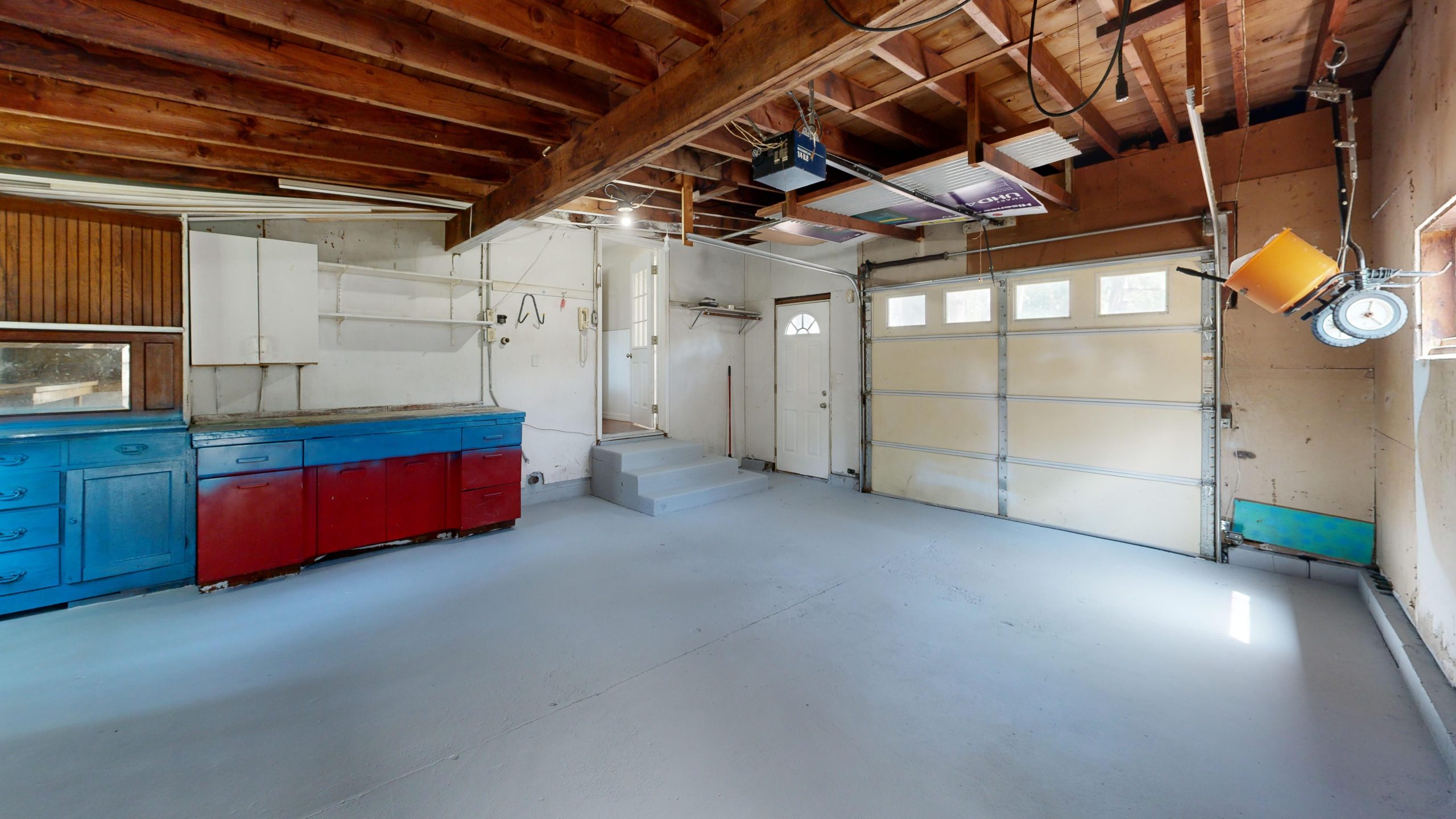
For many homeowners, the garage is much more than a place to park vehicles. It may serve as a workshop, storage area, home gym, hobby space, or even an extension of the home’s living area. Unfortunately, garages can become extremely hot during the summer months. In some regions, garage temperatures can climb well above outdoor temperatures, making the space uncomfortable and potentially damaging stored items.
Excessive heat can affect everything from tools and electronics to paint, batteries, and household supplies. It can also make it difficult to work or spend time in the garage. The good news is that several home upgrades can help reduce heat buildup and create a cooler, more comfortable environment.
Improving garage comfort often involves addressing insulation, ventilation, sunlight exposure, and air circulation. While no single solution works for every home, combining multiple upgrades can significantly lower temperatures and improve usability throughout the summer.
This guide explores eight effective home upgrades that can help keep your garage cool while improving energy efficiency and overall functionality.
Why Garages Get So Hot
Before discussing solutions, it helps to understand why garages often overheat.
Common causes include:
- Direct sunlight
- Poor insulation
- Limited ventilation
- Heat transfer from roofing materials
- Uninsulated garage doors
- Concrete heat retention
Because garages are often less insulated than living spaces, they can trap heat throughout the day and remain warm well into the evening.
Addressing these factors can greatly improve comfort.
1. Upgrade Garage Door Insulation

One of the most effective ways to reduce garage temperatures is by insulating the garage door.
Many garage doors consist of:
- Thin steel
- Aluminum
- Lightweight materials
These materials allow heat to pass through easily.
Benefits of Garage Door Insulation
Insulation can help:
- Reduce heat transfer
- Improve comfort
- Increase energy efficiency
- Minimize temperature swings
Insulated garage door kits are available for many existing doors, while homeowners planning replacements can choose insulated models.
Types of Garage Door Insulation
Common options include:
- Foam board insulation
- Reflective insulation
- Polyurethane-filled doors
Each option can help reduce summer heat gain.
2. Add Wall Insulation
Many garages have unfinished or poorly insulated walls.
Without adequate insulation, heat enters quickly and remains trapped inside.
Why Wall Insulation Helps
Proper insulation:
- Slows heat transfer
- Improves comfort
- Enhances energy efficiency
Popular insulation materials include:
- Fiberglass batts
- Spray foam
- Rigid foam boards
The best option depends on the garage’s construction and budget.
Don’t Forget Shared Walls
If the garage shares a wall with the house, insulation can benefit both spaces.
Reducing heat transfer helps improve overall home efficiency.
3. Improve Garage Ventilation
Hot air naturally rises.
Without proper ventilation, heat accumulates near the ceiling and remains trapped.
Ventilation Options
Consider:
- Roof vents
- Gable vents
- Soffit vents
- Exhaust fans
Improved airflow allows hot air to escape more effectively.
Powered Ventilation Systems
Electric attic or garage exhaust fans can help remove hot air during peak temperatures.
These systems are particularly useful in hotter climates.
4. Install a Ceiling Fan or Wall-Mounted Fan
While fans do not lower actual air temperature, they improve comfort by increasing airflow.
Benefits include:
- Better air circulation
- Reduced stagnant air
- Improved working conditions
Ceiling Fans
Ceiling fans work best in garages with adequate ceiling height.
Wall-Mounted Fans
Wall-mounted fans are excellent for:
- Smaller garages
- Workshops
- Storage areas
Improved airflow can make the garage feel noticeably cooler.
5. Seal Gaps and Air Leaks
Many garages contain small openings that allow hot outdoor air to enter.
Common locations include:
- Garage door edges
- Windows
- Utility penetrations
- Wall gaps
Benefits of Air Sealing
Proper sealing can:
- Reduce heat infiltration
- Improve insulation performance
- Enhance comfort
Weatherstripping is often an inexpensive and effective upgrade.
Inspect Garage Door Seals
Garage door bottom seals and side weatherstripping wear out over time.
Replacing damaged seals can significantly improve temperature control.
6. Upgrade Garage Windows
Windows can contribute significantly to heat gain.
Sunlight entering through glass increases indoor temperatures.
Window Improvement Options
Consider:
- Energy-efficient windows
- Reflective window film
- Solar screens
- Insulated window coverings
Reflective Films
Window films help block:
- Solar heat
- UV rays
- Glare
These products can improve comfort while protecting stored items from sun damage.
7. Add a Mini-Split Cooling System
For homeowners who spend significant time in the garage, a mini-split system can provide substantial comfort improvements.
What Is a Mini-Split?
A mini-split is a ductless heating and cooling system.
Benefits include:
- Efficient operation
- Temperature control
- Quiet performance
- Zoned cooling
Ideal Uses
Mini-splits are popular for:
- Home gyms
- Workshops
- Hobby rooms
- Converted garages
Although more expensive than fans, they provide the most significant cooling benefits.
8. Improve Roof and Attic Performance
The roof often contributes more heat to a garage than any other component.
Sunlight heats roofing materials throughout the day, and that heat can transfer into the garage below.
Roof Ventilation
Proper roof ventilation helps remove trapped heat.
Common solutions include:
- Ridge vents
- Soffit vents
- Roof turbines
Reflective Roofing Materials
Lighter-colored roofing materials reflect more sunlight than dark surfaces.
This can reduce heat absorption.
Attic Insulation
If the garage has attic space above it, additional insulation can help reduce heat transfer.
This upgrade often improves both comfort and energy efficiency.
Why Combining Upgrades Works Best
Many homeowners expect a single solution to solve all temperature issues.
However, the best results often come from combining improvements.
For example:
- Insulated doors
- Wall insulation
- Ventilation upgrades
- Air sealing
work together to create a cooler environment.
Each upgrade addresses a different source of heat gain.
Organize the Garage for Better Airflow
Storage layout can influence temperature and comfort.
Avoid:
- Blocking vents
- Overcrowding shelves
- Restricting airflow pathways
A cleaner, more organized garage often feels more comfortable.
Consider Vertical Storage
Wall-mounted storage systems help:
- Free floor space
- Improve airflow
- Enhance accessibility
Organization supports cooling efforts.
Reduce Heat From Appliances
Certain equipment generates additional heat.
Examples include:
- Refrigerators
- Freezers
- Water heaters
- Workshop tools
If possible:
- Improve ventilation around equipment
- Relocate unnecessary heat-producing items
Reducing internal heat sources can help lower temperatures.
Protect Stored Items From Heat
Even with cooling upgrades, garages can become warm during extreme weather.
Protect sensitive items such as:
- Electronics
- Paint
- Batteries
- Adhesives
- Certain cleaning products
Store heat-sensitive items according to manufacturer recommendations.
Landscaping Can Help Too
Outdoor improvements may also reduce garage temperatures.
Consider:
- Shade trees
- Shrubs
- Pergolas
Strategically placed landscaping can reduce direct sunlight on garage walls and roofs.
Natural shade often lowers heat gain significantly.
Consider Garage Door Color
Dark-colored garage doors absorb more heat.
Lighter colors reflect sunlight more effectively.
If replacing or repainting a garage door, color selection can influence temperature control.
While the effect may be modest, every improvement contributes to overall comfort.
Monitor Garage Temperatures
Temperature monitoring can help identify problem areas.
Simple tools include:
- Digital thermometers
- Smart sensors
Tracking temperatures helps homeowners evaluate which upgrades are producing results.
Build Cooling Improvements Into Maintenance Plans
Garage comfort should be part of broader home maintenance efforts.
Many homeowners find that creating a home maintenance plan helps them schedule inspections, identify insulation issues, monitor ventilation systems, and prioritize upgrades that improve comfort throughout the year.
A structured maintenance approach often prevents small issues from becoming larger problems.
Don’t Overlook Roof Maintenance
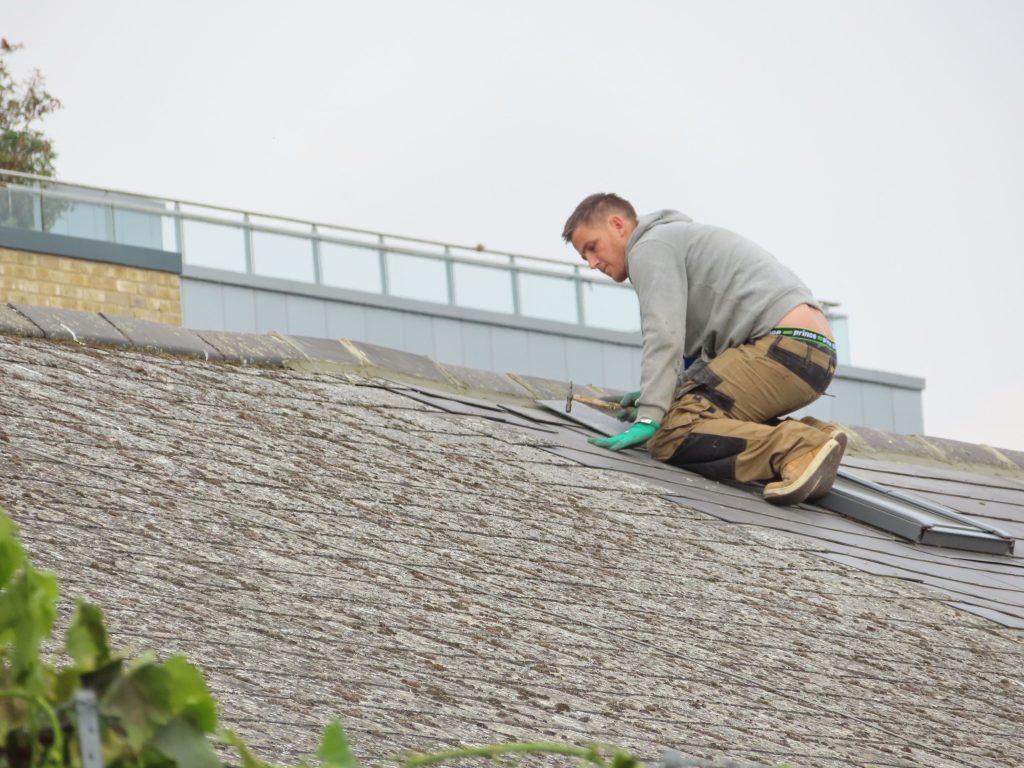
The condition of the roof directly affects garage temperatures.
Damaged roofing materials, blocked vents, and deteriorating insulation can contribute to excessive heat buildup.
Homeowners who are planning a roof maintenance schedule should include inspections of garage-related roofing components to ensure proper ventilation and heat management. Regular maintenance helps maximize the effectiveness of cooling improvements.
Common Mistakes Homeowners Make
Focusing Only on Air Conditioning
Cooling systems work best when combined with insulation and air sealing.
Ignoring Ventilation
Without airflow, heat remains trapped.
Skipping Insulation
Uninsulated surfaces allow significant heat transfer.
Blocking Airflow
Storage should not obstruct vents or fans.
Delaying Maintenance
Small issues can reduce the effectiveness of cooling upgrades.
When to Consult a Professional
Professional assistance may be helpful for:
- Insulation projects
- Mini-split installation
- Roof ventilation upgrades
- Energy audits
Experts can identify hidden sources of heat gain and recommend effective solutions.
Long-Term Benefits of a Cooler Garage
Reducing garage temperatures offers several advantages.
Potential benefits include:
- Increased comfort
- Better protection for stored items
- Improved energy efficiency
- Enhanced workspace usability
- Reduced strain on cooling systems
Many upgrades also contribute to overall property value.
Final Thoughts
A hot garage can make summer uncomfortable and limit how the space is used. Fortunately, several home upgrades can help reduce temperatures and improve comfort. Insulated garage doors, wall insulation, improved ventilation, fans, air sealing, upgraded windows, mini-split systems, and better roof performance all play important roles in controlling heat.
The most effective approach usually combines multiple improvements to address heat from different sources. By focusing on insulation, airflow, and heat reduction, homeowners can create a garage that remains more comfortable throughout the summer months.
With thoughtful planning and regular maintenance, a cooler garage can become a more useful, efficient, and enjoyable part of the home for years to come.