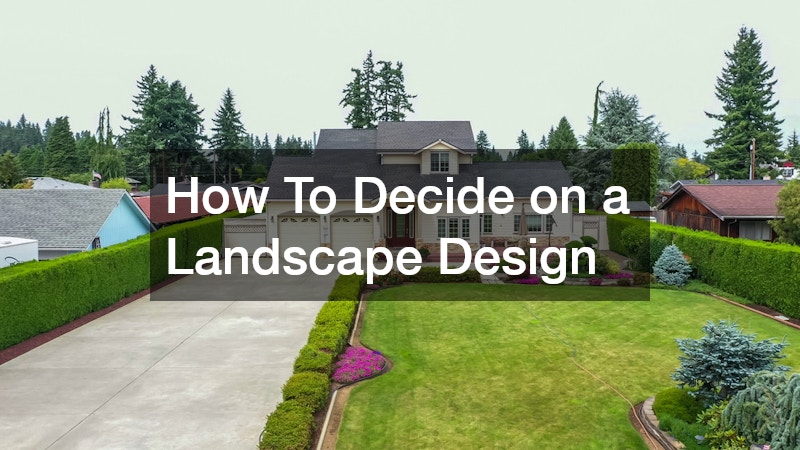

How To Decide on a Landscape Design
Highlights
- Learn the essentials for selecting a landscape design.
- Understand the importance of aligning your vision with your budget.
- Discover the role of climate and geography in your design decisions.
- Explore how to blend aesthetics with functionality.
- Find out about sustainable landscaping practices.
- Gain insights into hiring professionals versus DIY projects.
What Are the Initial Steps in Choosing a Landscape Design?
The first step in deciding on a landscape design is to assess what you want from your outdoor space. Consider your lifestyle, the size of your property, and any personal preferences or constraints.
Start by imagining how you plan to use the space. Do you want a garden for entertaining guests or a quiet retreat for relaxation? Taking the time to define your goals will provide clarity and direction. Next, conduct an inventory of your existing landscape features, such as trees, fences, or garden sheds. This will help you determine what can stay, what needs renovation, and how it all will integrate into a cohesive design.
How Important Is Budgeting in the Design Process?
Budgeting is crucial as it directly impacts the scope and complexity of your landscape design. Understanding your financial limits allows you to prioritize key elements without compromising essential features. Begin by allocating funds for the most vital aspects, such as structural components like patios and pathways. Don’t forget to include a contingency for unexpected costs. A clear budget helps in selecting materials and labor that align with your financial plan, ensuring that the project remains feasible from start to finish. Moreover, thoughtfully budgeting can aid in achieving a balance between dream and reality.
What Role Do Climate and Geography Play in Design Planning?
Climate and geography are fundamental in shaping a sustainable and thriving landscape. Each region’s specific climate dictates which plants and materials will flourish. For example:
- Desert climates benefit from drought-resistant plants like succulents and native grasses.
- Temperate climates may allow for a diverse range of flora, facilitating seasonal variety.
- Consider the soil type and slope of your land to prevent erosion and improve drainage.
By tailoring your design to environmental conditions, you enhance the longevity and health of your landscape, ultimately reducing maintenance costs and fostering biodiversity.
How Can You Balance Aesthetic Appeal with Functionality?
Balancing aesthetics with functionality involves thoughtful planning that complements your home style and meets the practical needs of your space. Start by selecting a design theme that resonates with your personal style, whether it is modern, rustic, or tropical. Following this, evaluate how each design element serves a purpose. Consider:
- Paths that lead smoothly from one area to another.
- Seating areas that offer both comfort and a view.
- Plant selections that provide privacy without overwhelming the space.
Striking this balance ensures a landscape that is both visually appealing and deeply functional, accommodating your outdoor activities efficiently.
What Sustainable Practices Should Be Considered?
Sustainable practices in landscaping help preserve the environment while reducing long-term costs. Incorporate native plants that require less water and are more pest-resistant. Use organic mulches to enhance soil fertility and implement water-saving features such as rain gardens or drip irrigation systems. Consider permeable paving materials to improve natural water infiltration. These approaches not only minimize environmental impact but also ensure that your landscape thrives with minimal chemical intervention, fostering a self-sustaining ecosystem.
Should You Hire a Professional or Do It Yourself?
Whether to hire a professional or pursue a DIY project depends on your budget, time, and expertise. Professionals bring experience and can realize complex designs efficiently, ideal for large-scale projects or tight timelines. On the other hand, a DIY approach offers a personal touch and can be more cost-effective for those with the skills and patience. Consider hiring a consultant for expert guidance while managing the project yourself, merging the benefits of professional advice and DIY satisfaction. Regardless of your choice, ensure it’s aligned with the scope of your project and personal capacity.
Conclusion
Deciding on a landscape design is ultimately about creating an outdoor space that feels like a natural extension of your home and lifestyle. When you take the time to clearly define your goals, establish a realistic budget, and account for environmental factors like climate and terrain, you set a strong foundation for long-term success. Each decision—from plant selection to layout and materials—should support both the visual appeal and everyday usability of your space.
It’s also important to think beyond the immediate results. A well-planned landscape evolves over time, so choosing sustainable practices and adaptable design elements will help your yard mature beautifully while minimizing maintenance and future costs. Whether you prefer a hands-on DIY approach or the expertise of a professional, the key is to stay intentional with every choice you make.
In the end, the best landscape designs are not just attractive—they’re functional, sustainable, and tailored to how you live. With thoughtful planning and a clear vision, you can transform your outdoor area into a space that adds value, enhances curb appeal, and provides lasting enjoyment for years to come.