
Understanding the key factors in selecting the right water well pump is crucial for efficient water supply and management. This article explores essential considerations and common questions about choosing the best pump for your needs. With multiple types available, each with unique advantages, making the right choice can be daunting. Balancing functionality, cost, and energy efficiency ensures sustained performance and minimal downtime. By gaining a clear understanding of pump types, sizing, and maintenance, homeowners can make informed decisions tailored to their specific water supply needs.
Consulting a local water well company can also provide professional insights and prevent costly mistakes.
What Are the Different Types of Water Well Pumps?
Submersible Pumps
Submersible pumps operate underwater and efficiently push water to the surface. Ideal for deep wells, they run quietly and are highly energy-efficient. Their design minimizes effort needed to move water upward, reducing energy costs over time. However, maintenance can be challenging due to their submerged location, requiring professional assistance in many cases. These pumps are well-suited for consistent, high-demand use and long-term reliability, especially for homes or businesses with deep well systems.
Jet Pumps
Jet pumps are typically used for shallow wells and are installed above ground, making access for maintenance easier. They operate by suction and are ideal for situations where deep well pumps are unnecessary. Different models accommodate varying well depths, and their simpler water-tight design makes installation and troubleshooting easier. While they may use more energy than submersible pumps, jet pumps are versatile and convenient, especially in residential applications with moderate water demand.
Centrifugal Pumps
Centrifugal pumps convert motor rotation into fluid energy and are often used in agricultural or industrial settings. They efficiently transfer large water volumes, making them suitable for high-demand systems. Installed above ground, they allow straightforward maintenance but are not effective for deep wells, performing best with shallow or surface water. These pumps are valued for their capacity to handle continuous, large-scale water movement and are commonly used in irrigation, livestock, or commercial operations.
How Do I Determine the Right Pump Size for My Well?
Calculating Well Yield
Accurately measuring well yield ensures efficient pump operation. Conduct a drawdown test to measure how quickly water recovers after pumping. Matching pump size to well yield prevents over-pumping, reduces energy waste, and protects the natural water table. Accurate calculation is crucial for both efficiency and long-term sustainability. Consulting a local water well company can ensure yield calculations are precise and help determine the best pump type and size for your property.
Understanding Pump Capacity
Pump capacity must align with water usage needs. Consider household size, number of outlets, irrigation systems, and any seasonal or specialized demands. Capacity is measured in gallons per minute (GPM) and must handle peak demand. Proper sizing avoids overworking the pump, extends lifespan, and ensures consistent water pressure. Professionals can provide guidance, helping homeowners select a pump that meets current needs while accommodating future growth.
Consequences of Over or Under-Sizing
Oversized pumps waste energy, accelerate wear, and increase costs due to excess pumping. Undersized pumps may struggle to meet demand, resulting in insufficient water supply and potential motor burnout. Incorrect sizing can also lead to pressure fluctuations, frequent repairs, and overall inefficiency. Accurate sizing is critical to reliable, cost-effective operation and helps avoid long-term maintenance headaches.
What Maintenance Is Required to Ensure Longevity?
Regular Inspections
Routine inspections catch problems early and prolong pump life. Annual checks by professionals should assess the motor, wiring, pressure switches, leaks, and vibrations. Documenting findings and addressing issues promptly ensures consistent performance and prevents major failures. A local water well company can provide thorough inspection services, helping detect hidden problems that homeowners might overlook.
Cleaning and Lubrication
Maintaining cleanliness prevents mineral buildup and bacterial growth. Regularly clean intake filters and pump housing, and lubricate moving parts like bearings using manufacturer-recommended products. Proper cleaning and lubrication reduce mechanical failures and optimize efficiency. These simple steps can prevent costly repairs and help maintain consistent water flow throughout the year.
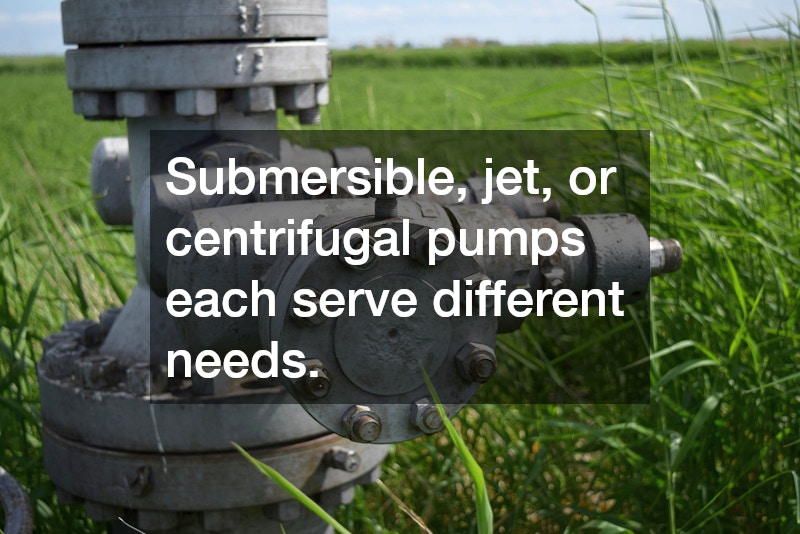
Selecting the right water well pump requires understanding pump types, sizing appropriately, and committing to regular maintenance. Submersible, jet, or centrifugal pumps each serve different needs, and matching capacity to water demand ensures reliable performance. Diligent inspections, cleaning, and troubleshooting extend pump lifespan and efficiency. Partnering with a local water well company provides valuable expertise, helping homeowners avoid mistakes and ensuring a dependable water supply. Investing in the right pump protects your well system, saves money in the long run, and guarantees consistent access to clean water for years to come.