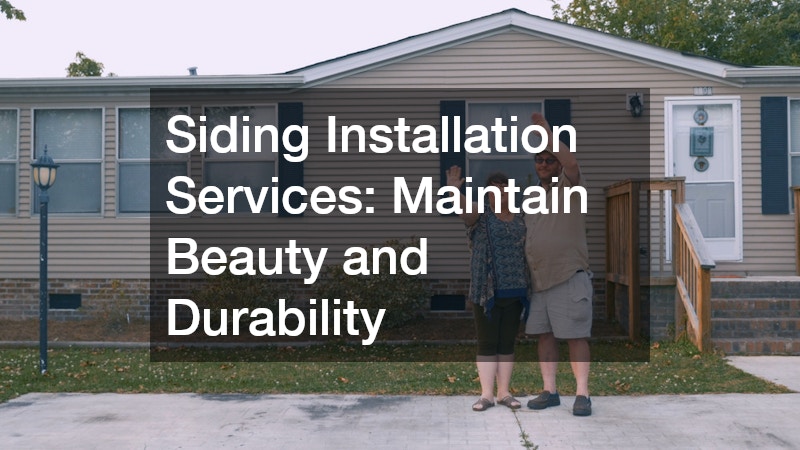

In this article, we examine the key aspects of siding installation services and how they contribute to maintaining your property’s beauty while ensuring its long-lasting durability. Siding enhances a home’s visual appeal and acts as a protective barrier against environmental elements. By understanding material options and maintenance requirements, homeowners can make informed decisions that support longevity and curb appeal.
What Are the Different Types of Siding Materials Available?
Vinyl Siding
Vinyl siding is a popular choice due to its affordability, versatility, and low maintenance needs. Available in a wide variety of colors and styles, it allows homeowners to customize their home’s appearance without a high investment. Vinyl is resistant to pests and moisture, making it especially appealing for those seeking durability with minimal upkeep. Unlike wood, it does not warp, rot, or peel, helping it maintain its appearance over time.
Vinyl siding can improve energy efficiency when paired with insulation, helping regulate indoor temperatures and lower energy bills. Many homebuyers appreciate vinyl’s longevity and ease of care, which can positively influence resale value. Professional installation ensures proper alignment and maximizes its protective benefits.
Fiber Cement Siding
Fiber cement siding is an excellent option for homeowners seeking durability with a more upscale appearance. Made from a blend of cement, sand, and cellulose fibers, it offers exceptional resistance to fire, insects, and rot. These qualities make it a reliable choice for long-term protection.
This material can replicate the look of wood, stone, or brick, offering significant design flexibility. It can be painted in virtually any color, allowing homeowners to refresh their exterior without replacing the siding. Its strength makes it especially suitable for regions that experience harsh weather conditions. Over time, fiber cement siding can enhance both durability and property value.
How Do You Choose the Right Siding for Your Home?
Assessing Climate and Environment
Climate and environmental conditions are critical factors when selecting siding. Homes in coastal or humid areas benefit from materials like fiber cement that resist moisture and salt exposure. In regions with moderate climates, vinyl siding may offer a practical and economical solution.
Areas with fluctuating temperatures require siding that can expand and contract without cracking. Vinyl’s flexibility helps prevent damage, while insulation options available with many siding systems can significantly improve energy efficiency. These features contribute to long-term cost savings.
Homes exposed to heavy winds, snow, or storms need siding that can withstand physical stress. Consulting with a professional siding service ensures material choices align with local environmental demands and building standards.
Considering Aesthetic and Design
Aesthetic considerations are just as important as performance. Siding should complement the home’s architectural style, landscape, and surrounding neighborhood. The right color and texture can dramatically improve curb appeal and overall value.
Homeowners often balance personal preferences with timeless designs to ensure long-term satisfaction. Fiber cement is often chosen for traditional or classic appearances, while vinyl can create a more modern or streamlined look. Advances in siding technology continue to introduce new textures, finishes, and profiles.
Using design tools or consulting professionals can help visualize different siding options before making a final decision. This planning ensures the finished exterior meets both functional and visual expectations.
What Maintenance Is Required for Different Siding Types?
Regular Cleaning and Inspection
Routine cleaning and inspections are essential to keeping siding in excellent condition. Vinyl siding typically requires occasional washing with mild detergent to remove dirt and mildew. Fiber cement needs less frequent cleaning but should still be inspected regularly.
Inspections help identify cracks, loose panels, or gaps that could compromise protection. Addressing small issues early prevents costly repairs later. Properly done power washing can also help maintain the siding’s appearance.
Checking caulking and sealants around joints and edges is equally important, as these areas are vulnerable to moisture intrusion. Consistent maintenance ensures siding continues to protect the home effectively.
Repair and Replacement Tips
Even durable siding may require repairs over time. Vinyl allows for easy replacement of individual panels, extending its lifespan. Fiber cement repairs may involve patching, repainting, or replacing damaged sections.
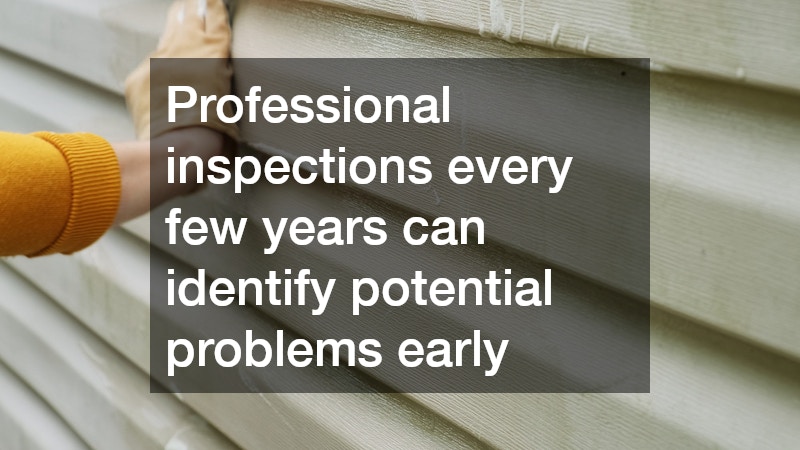
Professional inspections every few years can identify potential problems early. When siding shows widespread damage or reaches the end of its lifespan, full replacement may be the most cost-effective option. Upgrading materials can also improve aesthetics and performance.
By understanding siding materials, selection factors, and maintenance needs, homeowners can protect their investment and enhance their home’s appearance for years to come.