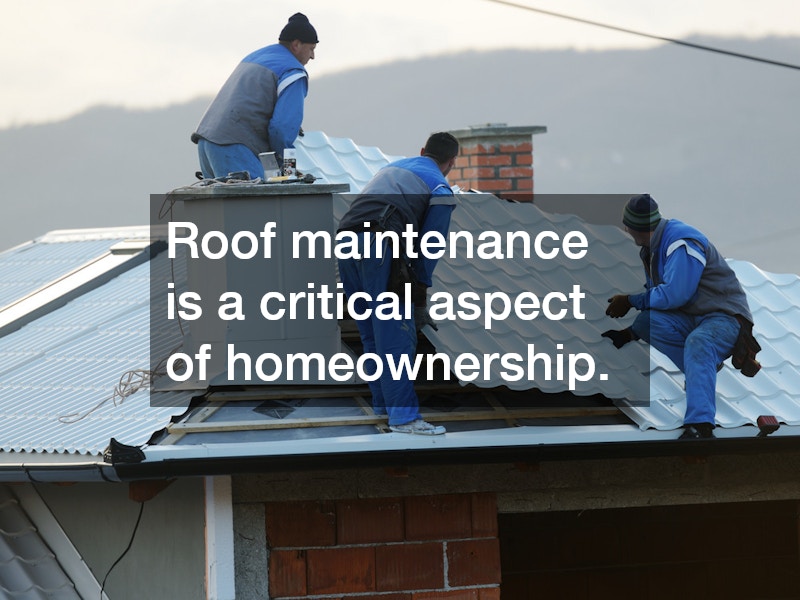

Roof maintenance is a critical aspect of homeownership, ensuring the integrity and safety of your home. Recognizing when it’s time to reroof not only safeguards your property but also optimizes your investment in your home.
Timely reroofing can help prevent extensive and costly damage that might arise from prolonged exposure to the elements. This article delves into the vital considerations involved in determining when a reroof is necessary.
Understanding the signs of roof degradation and the associated costs can empower homeowners to make informed decisions. By doing so, they can effectively protect their homes from structural damage and potential losses.
How Can You Tell if Your Roof Needs Replacing?
Signs of Roof Damage
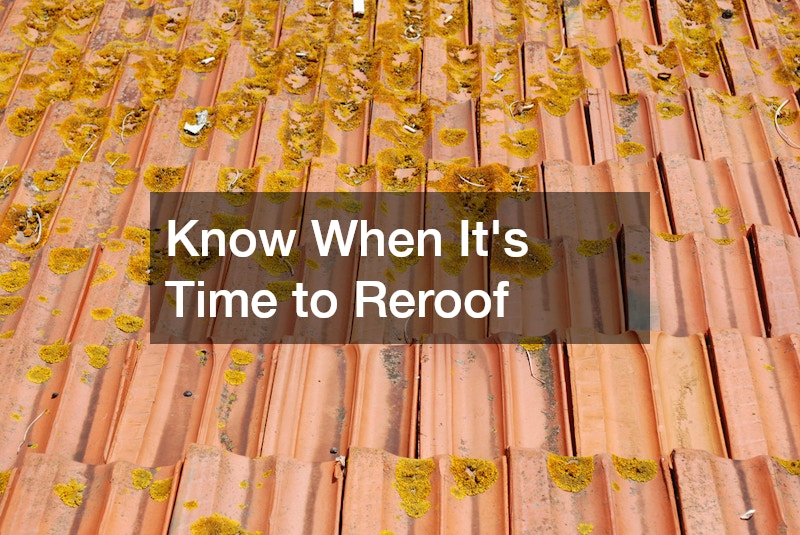
Visible signs of damage such as missing shingles, curling, and granule loss are indicators that a roof may need replacing. Missing shingles can lead to leaks and expose the underlayment to weather damage.
Curling shingles suggest deterioration or poor installation, compromising the roof’s protective capability. Granule loss, often noticeable in gutters, reduces the effectiveness of asphalt shingles in shielding against UV rays and weather elements.
These signs are often symptoms of underlying issues that may worsen if not addressed promptly. Timely action can save homeowners significant repair costs over time.
Age of the Roof
The age of your roof is a significant factor in determining its condition and lifespan. Most roofs, depending on the materials used, have an average lifespan ranging from 15 to 30 years.
As roofs age, their ability to protect diminishes, making them more susceptible to leaks and other forms of damage. A roof nearing or past its expected lifespan may warrant a replacement to maintain your home’s protection.
Age alone, however, doesn’t determine the need for a new roof; regular inspections can help assess its remaining durability. Preventive measures can extend the life of your roof before replacement becomes urgent.
What Are the Costs Involved in Reroofing?
Material Costs
Reroofing involves significant expenses, with materials being a major cost contributor. The choice between asphalt shingles, metal roofs, and tiles impacts both upfront and long-term costs.
Asphalt shingles are generally more affordable upfront but may require more frequent replacements compared to metal or tile. Metal roofs, though costlier, offer durability and energy efficiency that can result in long-term savings.
Comparing these materials involves assessing not only their cost but also their longevity and suitability for your specific climate. This strategic choice could lead to significant financial benefits in the long run.
Labor and Installation Costs
Labor constitutes another substantial part of general reroofing expenses and varies based on roof complexity and contractor pricing. Hiring professionals ensures the job is done correctly and safely, avoiding further complications.
Installation costs can fluctuate with geographic location, roof accessibility, and required permits or inspections. Understanding these factors helps you budget accurately.
Proper roof installation enhances structural integrity and maximizes material performance. Investing in professional labor can optimize the lifespan and efficacy of your new roof.
Should You Repair or Replace Your Roof?
Evaluating Extent of Damage
Determining the need between repair and replacement often depends on the extent and type of damage observed. Minor damage like localized leaks might only require repairs, whereas widespread deterioration calls for replacement.
Professional inspection can provide valuable insight into the severity of the damage. Making an informed decision about whether to repair or replace can significantly impact long-term costs and house safety.
Weighing the costs and benefits associated with each option ensures efficient resource allocation. Timely replacement provides a more sustainable solution than frequent, repetitive repairs.
Comparing Benefits and Longevity
Reroofing offers substantial benefits over simple repairs, including enhanced durability and improved home value. A new roof offers peace of mind, reducing the risk of leaks and further damage.
The long-term advantages of reroofing often outweigh the frequent expenses of continuous repairs, making it a cost-effective decision. Additionally, new roofing materials may provide better energy efficiency, reducing utility bills.
These benefits underline the importance of making mindful decisions about your roof’s future. Investing in reroofing ensures a more comprehensive and durable solution for your home.
In summary, knowing when to reroof is crucial in safeguarding your home and enhancing its value. Being aware of signs of roof deterioration and evaluating costs enables informed decision-making.
Investing in reroofing at the right time can prevent extensive damage and financial loss, ensuring your home remains a safe haven. Ultimately, timely reroofing is a wise investment in both monetary and protective terms.
By proactively engaging in roof maintenance and assessments, homeowners can optimize their investment and ensure long-lasting protection. Such strategies translate into long-term peace of mind and stability.